
Diet Plan for Losing Weight: Myth vs Fact – What Really Works?


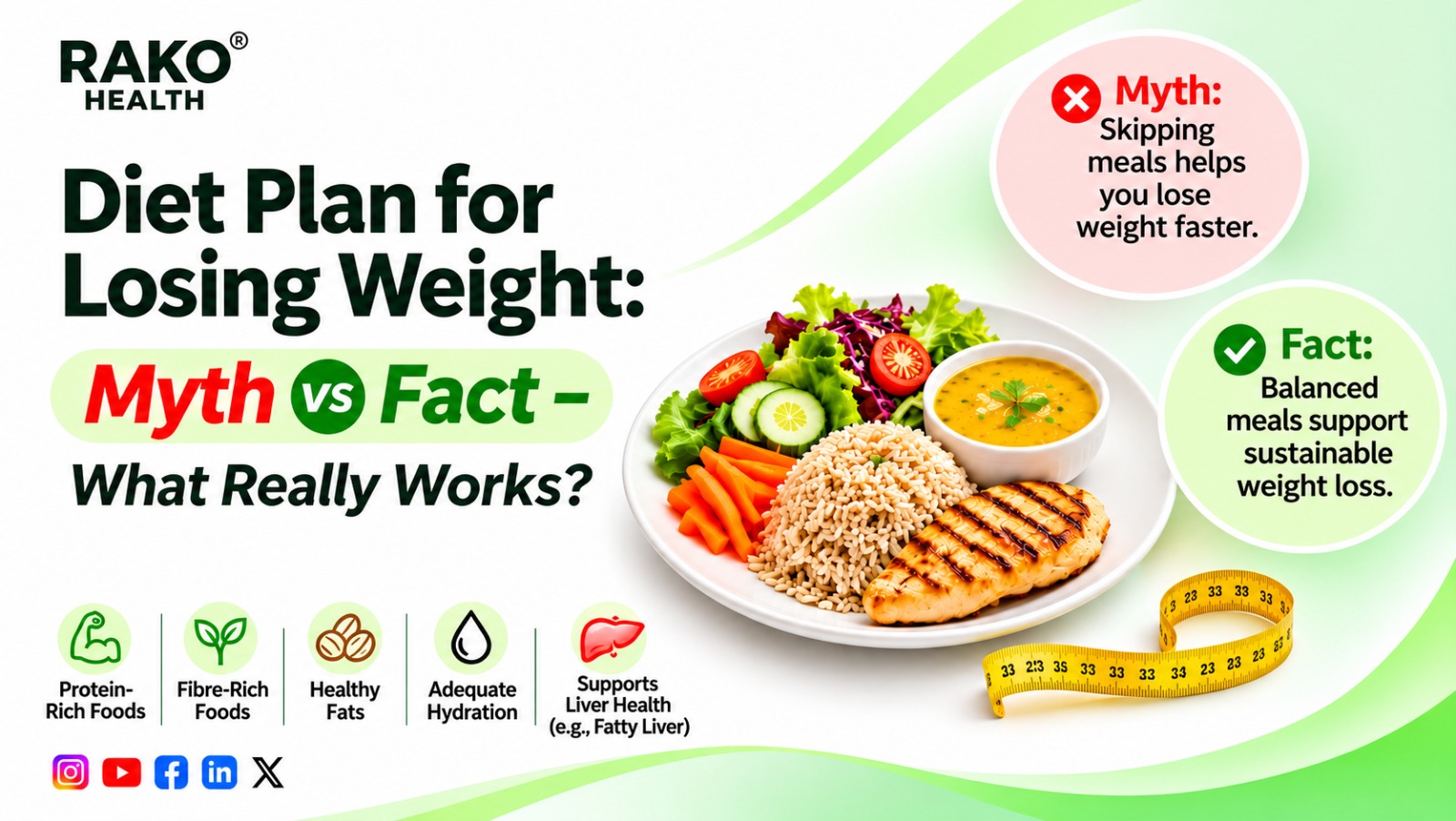
Diet Plan for Losing Weight is not about starving yourself or following temporary food trends. It involves balanced nutrition, healthy habits, and sustainable lifestyle changes. At RAKO Health, we believe successful weight management starts with understanding your body. Read our Diet and Weight Loss guide to understand the importance of nutritious food choices.
Whether you live in India, the USA, or abroad as an NRI, choosing the right diet matters. However, common misconceptions can make weight management confusing. Let's separate popular myths from scientific facts.
Why Is a Healthy Diet Plan for Losing Weight Important?
A healthy Diet Plan for Losing Weight supports gradual fat loss while maintaining nutritional balance. Moreover, it can improve energy levels and metabolic health.
An effective diet should include:
- Protein-rich foods for muscle maintenance.
- Fibre-rich vegetables, fruits, and whole grains.
- Healthy fats from nuts and seeds.
- Balanced carbohydrates for energy.
- Adequate water and portion control.
Diet Plan for Losing Weight: Myths vs Facts
Myth 1: Skipping Meals Helps You Lose Weight Faster
Fact: Skipping meals does not guarantee sustainable weight loss. Instead, balanced meals can help manage hunger and support consistent nutrition.
Myth 2: Carbohydrates Cause Weight Gain
Fact: Carbohydrates do not automatically cause weight gain. Choose nutritious options like brown rice, oats, millets, and whole wheat roti.
Myth 3: Eating Less Always Means Losing More Weight
Fact: Extreme calorie restriction can affect energy and muscle maintenance. Therefore, choose a moderate calorie deficit with sufficient nutrients.
Myth 4: Fat-Free Foods Are Always Healthy
Fact: Some fat-free products contain added sugars. Include healthy fats from almonds, walnuts, seeds, and suitable cooking oils.
Myth 5: Supplements Replace Healthy Eating
Fact: Weight loss supplements cannot replace balanced nutrition and physical activity. Always seek professional advice before taking supplements.
What Does a Balanced Diet for Weight Loss Look Like?
A practical Diet Plan for Losing Weight should match your food preferences and daily routine.
| Meal | Suggested foods |
| Morning | Water and soaked almonds |
| Breakfast | Idli with sambar or moong dal chilla |
| Mid-morning | Seasonal fruit |
| Lunch | Rice or roti, dal, vegetables, and curd |
| Evening | Roasted chana or sprouts |
| Dinner | Paneer, grilled fish, or vegetables with soup |
Portion sizes should reflect your nutritional requirements. Explore our Balanced Diet for Weight Loss guide for additional meal-planning ideas.
Diet and Weight Loss Tips for NRIs
NRIs often face challenges maintaining traditional Indian eating habits abroad. Busy schedules, changing food availability, and different meal timings can affect consistency.
Try these practical strategies:
- Choose oats, quinoa, brown rice, and whole grains.
- Prepare dal and vegetable curries in batches.
- Choose eggs, tofu, paneer, or Greek yoghurt.
- Reduce frequent takeaway meals.
- Carry nutritious snacks during work and travel.
Furthermore, Indian grocery stores across the USA offer familiar ingredients. A flexible diet can accommodate traditional Indian meals and international lifestyles.
Weight Loss for Fatty Liver: Why Nutrition Matters
Excess body weight can increase the risk of metabolic dysfunction-associated steatotic liver disease (MASLD), formerly called NAFLD.
Healthy lifestyle changes can support liver health. Focus on reducing added sugars, limiting processed foods, eating fibre-rich meals, and exercising regularly.
Gradual weight loss can improve liver health. However, individual requirements depend on medical history. Read our Weight Loss for Fatty Liver guide for further information.
What Does Scientific Research Say About Diet and Weight Loss?
Scientific evidence supports sustainable calorie reduction and balanced nutrition rather than extreme dieting.
According to the National Institute of Diabetes and Digestive and Kidney Diseases (NIDDK), maintaining a healthy eating pattern and regular physical activity supports long-term weight management.
Research and clinical guidance also highlight these findings:
- Calorie balance: A sustainable calorie deficit supports gradual weight reduction.
- Food quality: Vegetables, fruits, whole grains, and lean protein support nutritional health.
- Physical activity: Regular exercise helps manage body weight and maintain results.
- Fatty liver: NIDDK reports that losing 3–5% of body weight can reduce liver fat. Greater weight loss may improve inflammation and fibrosis.
These findings reinforce the importance of personalised nutrition instead of restrictive diet trends.
Why Choose RAKO Health for Weight Loss Guidance?
Every individual has different nutritional needs and lifestyle challenges. Therefore, a generic diet chart may not deliver suitable results.
RAKO Health promotes personalized nutrition and sustainable lifestyle improvements.
With professional guidance from Dr. Meram Chalamaiah and support from a best dietician for weight loss, individuals can explore practical dietary strategies.
Our approach focuses on:
- Personalised dietary recommendations.
- Indian and international food preferences.
- Sustainable weight management.
- Practical meal planning.
- Nutrition education and accountability.
Whether you live in India or abroad, RAKO Health encourages healthier food choices through informed nutritional guidance.
Frequently Asked Questions
1. What is the best Diet Plan for Losing Weight?
A balanced plan includes protein, fibre, healthy fats, whole grains, and controlled portions. It should suit your lifestyle and health requirements.
2. Can I lose weight without skipping rice?
Yes. Enjoy rice in suitable portions alongside vegetables and protein-rich foods.
3. How many meals should I eat daily?
There is no universal meal frequency. Choose a routine that supports your hunger and nutritional needs.
4. Is an Indian diet suitable for weight loss?
Absolutely. Dal, millets, vegetables, curd, and whole grains can support healthy weight management.
5. Can NRIs follow an Indian weight loss diet?
Yes. NRIs can combine traditional Indian meals with nutritious, locally available ingredients.
6. Does weight loss improve fatty liver?
Gradual weight loss can reduce liver fat and improve metabolic health. However, results depend on individual medical conditions.
Final Thoughts
A successful Diet Plan for Losing Weight does not require extreme restrictions or expensive foods. Instead, consistency, balanced nutrition, and regular activity create a stronger foundation for lasting results.
Every healthy choice contributes to better lifestyle habits. With the right nutritional support, you can make progress without giving up your favourite foods.
Explore RAKO Health's nutrition resources and discover practical ways to make healthy eating part of your everyday routine.
Related Blogs
Thyroid and Foods to Avoid: What Science Really Says
What Is a Liver Detox Diet? Foods to Eat, Foods to Avoid, and Common Myths
10 Best Weight Loss Protein Foods: Expert Nutrition Tips for Beginners
Thyroid and Foods to Avoid: What Science Really Says
What Is a Liver Detox Diet? Foods to Eat, Foods to Avoid, and Common Myths
10 Best Weight Loss Protein Foods: Expert Nutrition Tips for Beginners
Thyroid and Foods to Avoid: What Science Really Says
What Is a Liver Detox Diet? Foods to Eat, Foods to Avoid, and Common Myths
10 Best Weight Loss Protein Foods: Expert Nutrition Tips for Beginners
Thyroid and Foods to Avoid: What Science Really Says
What Is a Liver Detox Diet? Foods to Eat, Foods to Avoid, and Common Myths