
What Is a Liver Detox Diet? Foods to Eat, Foods to Avoid, and Common Myths


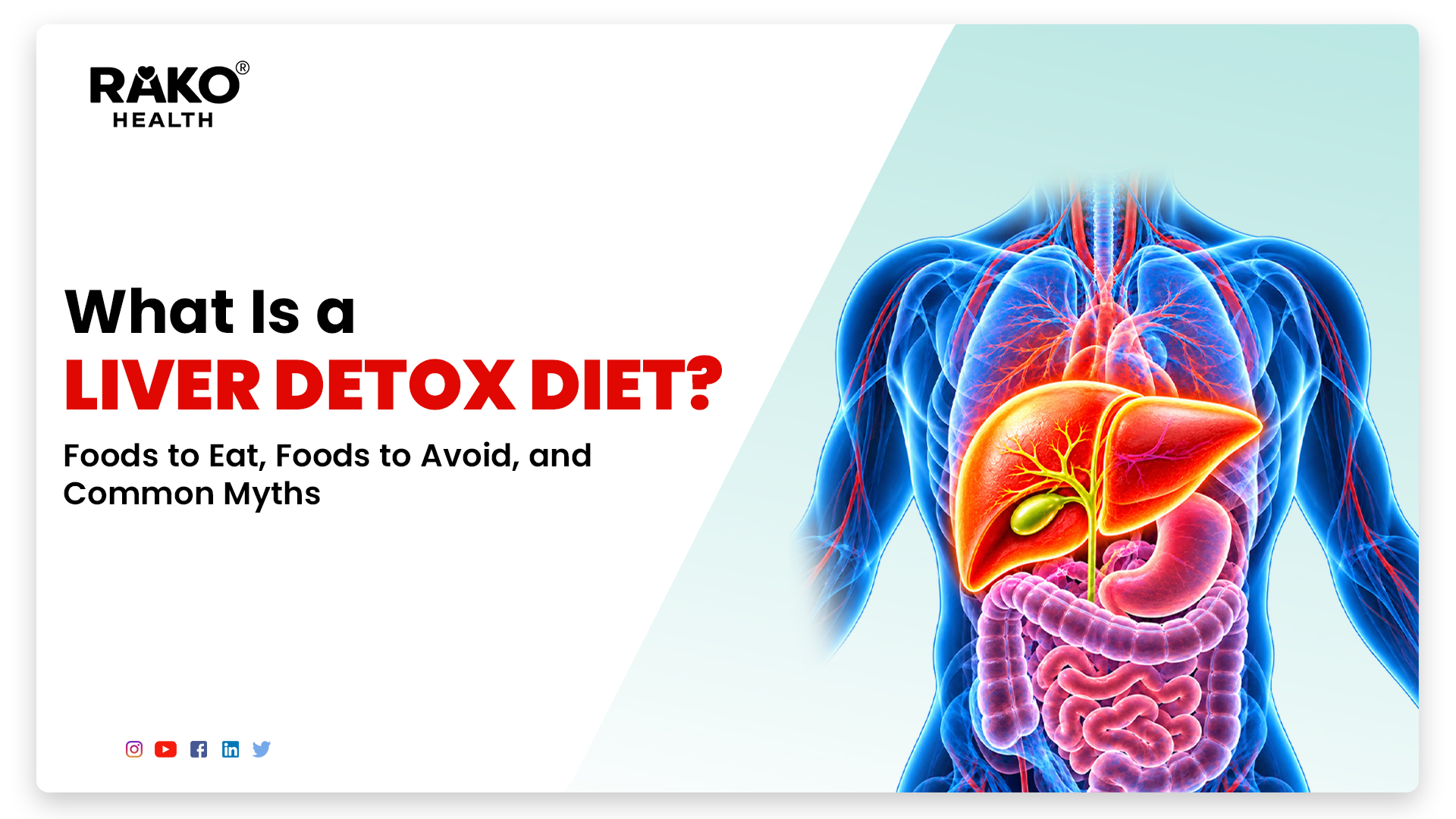
What Is a Liver Detox Diet? It is an eating plan marketed to remove toxins from the liver through special foods, juices, supplements, or fasting. However, scientific evidence does not support commercial detox diets as a proven way to eliminate toxins. Your liver naturally processes substances and helps your body remove waste.
At RAKO Health, we encourage evidence-based nutrition instead of quick fixes. Let’s separate popular liver detox claims from facts that support long-term liver health.
What Is a Liver Detox Diet, and Does It Work?
A Liver Detox Diet usually promotes specific drinks, restrictive meal plans, or herbal products. Some programmes promise rapid weight loss or complete liver cleansing.
However, the National Center for Complementary and Integrative Health reports limited evidence supporting detox programmes. Some products may also cause dehydration, nutrient deficiencies, or other health problems.
Your liver naturally processes medications, alcohol, and metabolic waste. Therefore, it needs appropriate medical care and balanced nutrition rather than an unproven cleansing routine.
Liver Detox Diet: Common Myths vs Facts
Myth 1: Detox juices cleanse your liver
Fact: No specific juice can flush toxins from your liver. Whole fruits and vegetables provide fibre and nutrients. However, juice cleanses often lack fibre and may contain excessive sugar.
Myth 2: Lemon water removes liver toxins
Fact: Lemon water helps you stay hydrated, but it does not detoxify your liver. Enjoy it without added sugar if you like its taste.
Myth 3: Herbal supplements always improve liver function
Fact: Some herbal products can interact with medicines or cause liver injury. Therefore, consult your healthcare professional before taking liver detox supplements.
Myth 4: Fasting repairs a damaged liver
Fact: Prolonged fasting can cause dehydration and inadequate nutrient intake. People with liver disease may need regular meals and specific nutritional support.
Myth 5: You need a liver cleanse after eating oily food
Fact: One heavy meal does not automatically require a detox. Instead, return to balanced meals and maintain consistent healthy habits.
Best Foods to Support Natural Liver Function
A balanced diet supports overall metabolic health and may help reduce liver fat in people with fatty liver disease.
Consider adding these foods to your regular meals:
- Vegetables: Spinach, carrots, broccoli, gourds, and seasonal vegetables provide fibre and essential nutrients.
- Whole fruits: Guava, apples, oranges, and berries offer vitamins and fibre.
- Whole grains: Oats, millets, barley, and whole-wheat roti provide fibre and sustained energy.
- Protein-rich foods: Dal, chickpeas, beans, tofu, eggs, and fish support muscle maintenance and nutritional balance.
- Healthy fats: Nuts, seeds, and suitable vegetable oils provide unsaturated fats.
- Water: Regular hydration supports normal body functions.
Additionally, reduce sugary beverages, frequent fried foods, and highly processed snacks. If you have fatty liver, avoid alcohol and discuss appropriate dietary changes with your doctor.
Liver Detox Diet for Indians and NRIs
You do not need expensive detox products to eat well. Traditional Indian foods can fit a balanced, liver-friendly eating pattern.
For example, try vegetable poha with peanuts for breakfast, dal with roti and sabzi for lunch, and vegetable khichdi with curd for dinner.
NRIs can follow similar principles using locally available foods. In the United States, choose oats, beans, frozen vegetables, and unsweetened yoghurt. In the UK or Canada, include lentils, whole grains, seasonal produce, and fish.
Meanwhile, NRIs working long hours can prepare meals ahead and limit frequent takeaway food. These practical changes are more sustainable than restrictive cleansing programmes.
Expert Insights: Dr. Meram Chalamaiah on Liver Health
Dr. Meram Chalamaiah can be featured in RAKO Health’s liver health education content to encourage informed decisions about nutrition and liver care.
When considering a liver detox programme, patients should prioritise medically sound advice over unsupported cleansing claims. Balanced meals, appropriate physical activity, and professional assessment provide a more reliable foundation for liver health.
People with fatty liver or abnormal liver tests should consult their healthcare professional before starting restrictive diets or supplements. Individual recommendations should reflect medical history, medications, nutritional needs, and liver disease severity.
Editorial note: Confirm Dr. Meram Chalamaiah’s professional credentials, current role, and approval before publishing this section as his expert commentary. The text above does not represent a direct quotation or verified personal statement from him.
How RAKO Health Can Help You Make Informed Food Choices
At RAKO Health, we encourage personalized nutrition guidance based on individual health needs and realistic lifestyle changes.
If you have fatty liver or abnormal liver tests, explore our Fatty Liver Service Page for relevant support. You can also read our Best Dietician for Fatty Liver guide to learn about choosing qualified nutrition professionals.
A qualified dietitian can help you build balanced meals. Meanwhile, your doctor can assess whether symptoms, medications, or liver tests require further investigation.
Frequently Asked Questions
1. What is the fastest way to detox your liver?
There is no proven quick detox method. Instead, eat balanced meals, avoid unverified supplements, limit alcohol, and seek medical advice when needed.
2. Which drink is best for liver detox?
No drink has proven detoxifying powers. Water and unsweetened beverages support hydration, while balanced nutrition supports general health.
3. Is coffee good for liver health?
Research links coffee consumption with certain beneficial liver outcomes. However, individual tolerance and medical circumstances matter. Choose options without excessive added sugar and ask your clinician for personalised advice.
4. Can a Liver Detox Diet reverse fatty liver?
Commercial detox diets have not demonstrated reliable benefits for reversing fatty liver. Evidence-based dietary changes, physical activity, and appropriate weight management can help some people improve liver health.
5. Are liver detox supplements safe for NRIs?
Not necessarily. Products sold online or overseas may contain ingredients that interact with medicines or harm the liver. Check ingredients and seek professional advice before using them.
6. When should I consult a doctor about liver health?
Seek medical advice for persistent symptoms or abnormal liver tests. Yellow skin or eyes, confusion, vomiting blood, or severe abdominal swelling require urgent medical assessment.
Final Thoughts
Explore RAKO Health’s liver health resources to learn more about evidence-based nutrition, personalised dietary support, and practical ways to build healthier habits.
Related Blogs
How to Treat High Blood Pressure Naturally: A Practical Guide to Diet and Lifestyle
Best Dietician in Hyderabad - Dr. Meram Chalamaiah
How to Cure Constipation Naturally: Why Fiber Alone Isn't Enough
How to Treat High Blood Pressure Naturally: A Practical Guide to Diet and Lifestyle
Best Dietician in Hyderabad - Dr. Meram Chalamaiah
How to Cure Constipation Naturally: Why Fiber Alone Isn't Enough
How to Treat High Blood Pressure Naturally: A Practical Guide to Diet and Lifestyle
Best Dietician in Hyderabad - Dr. Meram Chalamaiah
How to Cure Constipation Naturally: Why Fiber Alone Isn't Enough
How to Treat High Blood Pressure Naturally: A Practical Guide to Diet and Lifestyle
Best Dietician in Hyderabad - Dr. Meram Chalamaiah