
How to Cure Constipation Naturally: Why Fiber Alone Isn't Enough


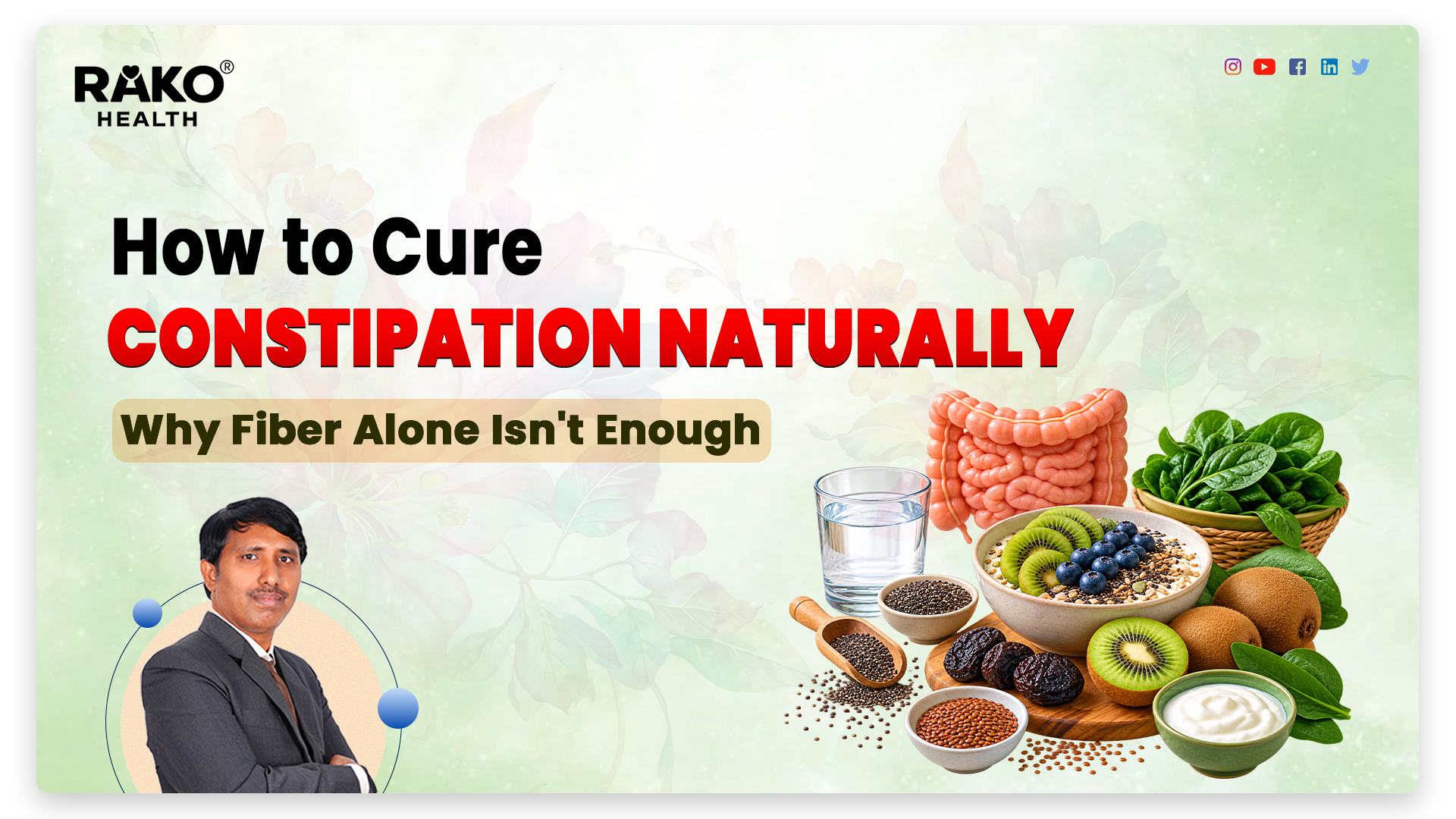
A Science-Backed Guide to Better Gut Health
Dr. M. Chalamaiah Ph.D. (ICMR-NIN, CSIR-CFTRI), PDF (Canada)
Founder & Scientist - RAKO Health, Former Postdoc Scientist at University of Alberta, Canada
Introduction
Constipation is one of the most common digestive complaints worldwide, yet it remains one of the most misunderstood. Almost everyone has experienced it at some point—days when passing stool becomes difficult, uncomfortable, or frustrating. For many people, constipation becomes a recurring problem that affects their energy, appetite, mood, productivity, and overall quality of life.
If you search online for solutions, you'll repeatedly encounter the same advice:
"Eat more fiber."
"Drink more water."
While these recommendations are certainly important, many people discover that even after increasing their fiber intake and staying hydrated, constipation continues to persist.
Why?
Because constipation is far more complex than simply eating too little fiber.
Modern nutritional science has transformed our understanding of bowel health. Researchers now know that healthy bowel movements depend on the coordinated function of several interconnected systems, including your digestive muscles, gut microbiome, digestive hormones, bile acids, nervous system, meal timing, hydration, and dietary patterns.
Rather than asking only "How much fiber are you eating?", a better question is:
"How well is your digestive system functioning?"
Understanding this difference is the first step toward achieving long-term digestive health instead of relying on temporary solutions.
What Is Constipation?
Many people believe constipation simply means not passing stool every day. In reality, bowel frequency varies from person to person. Some healthy individuals have bowel movements three times a day, while others may naturally have one every other day.
Constipation is better defined by the quality and ease of bowel movements rather than frequency alone.
Common symptoms include:
- Hard or lumpy stools
- Difficulty passing stool
- Excessive straining
- Feeling that the bowel has not emptied completely
- Passing stools less frequently than usual
- Abdominal discomfort or bloating
Occasional constipation is common and usually resolves with simple lifestyle changes. However, when symptoms persist for several weeks or recur frequently, it is considered chronic constipation and may require a more comprehensive approach.
Why Does Constipation Happen?
Constipation rarely has a single cause. Instead, it usually develops because several factors affect the digestive system at the same time.
Common contributing factors include:
- Low dietary fiber
- Poor fluid intake
- Sedentary lifestyle
- Irregular meal timing
- Ignoring the urge to pass stool
- Stress and anxiety
- Certain medications
- Pregnancy
- Diabetes
- Hypothyroidism
- Irritable bowel syndrome (IBS)
- Neurological disorders
More importantly, recent scientific research suggests that constipation often results from disrupted communication between the gut and the brain, altered gut bacteria, impaired digestive signaling, and changes in intestinal movement.
This explains why simply taking laxatives or increasing fiber may not solve the problem for everyone.
Your Digestive System Is Smarter Than You Think
Every time you eat, your digestive system performs an extraordinary sequence of events.
Food entering the stomach stimulates specialized cells that release digestive hormones. These hormones communicate with the nervous system and the intestines, signaling the colon to begin moving its contents forward.
This natural response is known as the gastrocolic reflex.
In healthy individuals, this reflex is strongest after breakfast, which is why many people naturally feel the urge to use the bathroom shortly after eating in the morning.
However, factors such as irregular eating patterns, chronic stress, poor sleep, inactivity, or certain medical conditions can weaken this reflex, leading to slower bowel movements and constipation.
Why Fiber Alone Isn't Enough
Fiber remains one of the most important nutrients for digestive health, but it is not a miracle cure.
In fact, increasing fiber indiscriminately may even worsen symptoms in some individuals, especially those with severe bloating or certain forms of irritable bowel syndrome.
The reason is simple:
Not all fiber behaves the same way.
Soluble Fiber
Soluble fiber dissolves in water to form a soft gel-like substance.
It helps by:
- Softening stool
- Supporting beneficial gut bacteria
- Producing short-chain fatty acids
- Improving stool consistency
Excellent sources include:
- Psyllium husk
- Oats
- Apples
- Citrus fruits
- Chia seeds
- Flaxseeds
Insoluble Fiber
Insoluble fiber adds bulk to stool and helps move waste through the intestines.
Good sources include:
- Whole grains
- Wheat bran
- Leafy vegetables
- Vegetable skins
- Brown rice
For many individuals, a combination of soluble and insoluble fiber provides the best results.
The key is not simply eating more fiber but choosing the right type of fiber based on your body's needs.
Your Gut Microbiome Plays a Bigger Role Than You Think
Inside your intestines live trillions of beneficial microorganisms collectively known as the gut microbiome.
These bacteria help digest food that your body cannot digest on its own.
When beneficial bacteria ferment dietary fiber, they produce compounds called short-chain fatty acids (SCFAs).
These compounds help:
- Nourish colon cells
- Strengthen the intestinal lining
- Improve bowel movement
- Reduce inflammation
- Maintain a healthy digestive environment
An unhealthy gut microbiome may contribute to slower intestinal movement and constipation.
Supporting gut bacteria through a diverse, fiber-rich diet and fermented foods may therefore improve bowel health in many individuals.
Healthy Fats Are Essential for Digestion
Many people trying to lose weight completely eliminate fats from their diet.
This may not always be beneficial.
Healthy fats stimulate the release of bile from the gallbladder.
Although bile is best known for digesting fats, it also plays an important role in promoting intestinal movement.
Healthy sources include:
- Extra virgin olive oil
- Nuts
- Seeds
- Avocados
Including moderate amounts of healthy fats as part of a balanced diet may support normal digestion and bowel function.
Best Foods That Help Relieve Constipation
The foods you eat every day play a crucial role in maintaining healthy bowel movements. Instead of relying on a single "superfood," focus on a balanced diet that supports digestion, gut bacteria, hydration, and intestinal movement.
1. Psyllium Husk
Psyllium is one of the most effective natural sources of soluble fiber. It absorbs water in the intestines, forming a soft gel that increases stool moisture and makes bowel movements easier.
It is particularly helpful for people with chronic constipation because it improves stool consistency without irritating the intestines.
How to include it:
- Mix 1–2 teaspoons with water.
- Consume immediately and follow with another glass of water.
- Always start with a small amount and increase gradually.
2. Kiwi
Kiwi is often overlooked, yet it is one of the most effective fruits for improving bowel movements. It contains fiber, water, vitamin C, and natural enzymes that support digestion.
Several studies suggest that eating kiwi regularly may improve stool frequency while causing less bloating than some fiber supplements.
Recommendation: 1–2 kiwis daily.
3. Prunes
Prunes have long been considered a natural remedy for constipation. They contain soluble fiber, sorbitol, and natural plant compounds that help draw water into the intestines and soften stools.
A small serving of prunes (50–100 g/day) can enhance bowel movements and can be a practical addition to a balanced diet for many individuals.
4. Flaxseed and chia seeds
Flaxseeds and chia seeds are rich in soluble, gel-forming fibers that absorb water, soften stools, and promote smoother bowel movements.
5. Oats
Oats provide soluble fiber that helps retain water in the stool and supports beneficial gut bacteria.
Starting the day with oatmeal topped with fruits, seeds, and nuts is an excellent way to support digestive health.
6. Fruits and Vegetables
Fresh fruits and vegetables provide fiber, water, vitamins, minerals, and plant compounds that support healthy digestion.
Good choices include:
- Apples
- Pears
- Papaya
- Oranges
- Berries
- Spinach
- Broccoli
- Carrots
- Cucumber
Eating a variety of colorful plant foods also helps nourish your gut microbiome.
7. Fermented Foods
Your gut bacteria influence bowel movements more than many people realize.
Foods such as:
- Yogurt
- Kefir
- Homemade fermented vegetables
may help maintain a healthy balance of beneficial bacteria and support digestive function.
8. Healthy Fats
Healthy fats stimulate digestion and contribute to normal bile secretion, which plays an important role in intestinal movement.
Include moderate amounts of:
- Extra virgin olive oil
- Almonds
- Walnuts
- Flaxseeds
- Chia seeds
- Avocados
Remember, healthy fats should complement a balanced diet rather than replace other nutritious foods.
Foods That May Worsen Constipation
Some foods may contribute to constipation, especially when consumed frequently or in large amounts.
These include:
- Ultra-processed foods
- Refined flour products
- Fast food
- Sugary snacks
- Sugar-sweetened beverages
- Excess alcohol
- Diets very low in fruits and vegetables
Not everyone reacts the same way. Individual tolerance varies, so identifying personal dietary triggers is important.
Is Drinking More Water Enough?
Hydration is essential for healthy bowel movements, but water alone is rarely the complete solution.
Fiber needs water to work effectively. Without adequate fluid intake, increasing fiber may actually make constipation worse.
Most healthy adults should aim for adequate daily fluid intake, with additional fluids needed during hot weather, illness, or exercise. Your exact requirement depends on age, body size, climate, and medical conditions.
The Importance of Daily Habits
Small lifestyle habits can have a major impact on bowel health.
Don't Ignore the Urge
Ignoring the natural urge to pass stool may gradually weaken your bowel habits.
Whenever possible, respond promptly when you feel the urge.
Eat Breakfast Regularly
Breakfast activates the body's natural gastrocolic reflex, making the morning one of the best times for a bowel movement.
Skipping breakfast may reduce this natural digestive response.
Stay Physically Active
Regular physical activity helps stimulate intestinal movement.
Simple activities such as walking, cycling, yoga, or swimming can support healthy digestion while improving overall health.
Prioritize Sleep
Poor sleep disrupts many hormonal and metabolic processes, including digestive function.
Aim for 7–9 hours of quality sleep each night.
Manage Stress
The gut and brain communicate continuously. Chronic stress may alter digestive function and worsen constipation in some individuals.
Practices such as meditation, deep breathing, yoga, or spending time outdoors may help reduce stress and improve overall well-being.
Common Myths About Constipation
Myth 1: Everyone Should Have One Bowel Movement Every Day
Reality: Normal bowel frequency varies widely between healthy individuals.
Myth 2: More Fiber Is Always Better
Reality: The type, amount, and tolerance of fiber matter. Too much fiber too quickly can worsen bloating or discomfort in some people.
Myth 3: Laxatives Are the Only Solution
Reality: While laxatives may be appropriate in some situations, long-term bowel health often requires improvements in diet, hydration, lifestyle, and treatment of underlying medical conditions.
Myth 4: Constipation Is Always Caused by Poor Diet
Reality: Medical conditions, medications, hormonal disorders, neurological diseases, and pelvic floor dysfunction can also contribute to constipation.
Key Takeaways
Constipation is influenced by multiple factors, not just fiber intake.
A healthy gut microbiome contributes to normal bowel function.
Soluble and insoluble fibers have different roles in digestion.
Healthy fats, hydration, and regular meal timing support bowel movements.
Physical activity, stress management, and good sleep are important for digestive health.
Persistent constipation should be medically evaluated to identify underlying causes.
Personalized nutrition is often more effective than generic dietary advice.
Frequently Asked Questions
Is banana good for constipation?
Ripe bananas contain soluble fiber and may be well tolerated by many people, while unripe bananas are higher in resistant starch and may affect individuals differently.
Is rice bad for constipation?
Rice is not inherently harmful. The overall balance of your diet—including fiber, vegetables, fruits, and hydration—is more important than any single food.
Does coffee help?
Coffee stimulates bowel movements in some individuals, but responses vary. It should not be considered a treatment for chronic constipation.
Are probiotics helpful?
Some people may benefit from probiotics, but responses differ depending on the strain used and individual gut microbiota.
Should I take fiber supplements every day?
Fiber supplements may be helpful for some people, but they should be introduced gradually with adequate water. If constipation persists despite dietary changes, consult a healthcare professional.
Conclusion
Constipation is more than an occasional inconvenience—it reflects the complex interaction between your diet, digestive system, lifestyle, and overall health. While increasing fiber remains an important strategy, it is only one piece of the puzzle.
Long-term digestive health requires a broader perspective that includes nourishing the gut microbiome, choosing the right types of fiber, staying physically active, maintaining regular eating habits, getting adequate sleep, managing stress, and addressing any underlying medical conditions.
At RAKO Health, we believe that nutrition should be personalized, evidence-based, and practical. By understanding the root causes of constipation rather than simply treating the symptoms, it is possible to support healthier digestion, improve quality of life, and achieve lasting well-being.
Related Blogs
Dr. Meram Chalamaiah is the Best Dietician in Hyderabad - Transform Your Health with Evidence-Based Nutrition

How Reducing Chronic Inflammation Make You Lose Belly Fat

How to Choose the Best Diet for Weight Loss According to Nutrition Experts
Dr. Meram Chalamaiah is the Best Dietician in Hyderabad - Transform Your Health with Evidence-Based Nutrition
How Reducing Chronic Inflammation Make You Lose Belly Fat
How to Choose the Best Diet for Weight Loss According to Nutrition Experts
Dr. Meram Chalamaiah is the Best Dietician in Hyderabad - Transform Your Health with Evidence-Based Nutrition
How Reducing Chronic Inflammation Make You Lose Belly Fat
How to Choose the Best Diet for Weight Loss According to Nutrition Experts
Dr. Meram Chalamaiah is the Best Dietician in Hyderabad - Transform Your Health with Evidence-Based Nutrition
How Reducing Chronic Inflammation Make You Lose Belly Fat