
Balanced Diet for Weight Loss: A Science-Based Guide to Healthy Eating


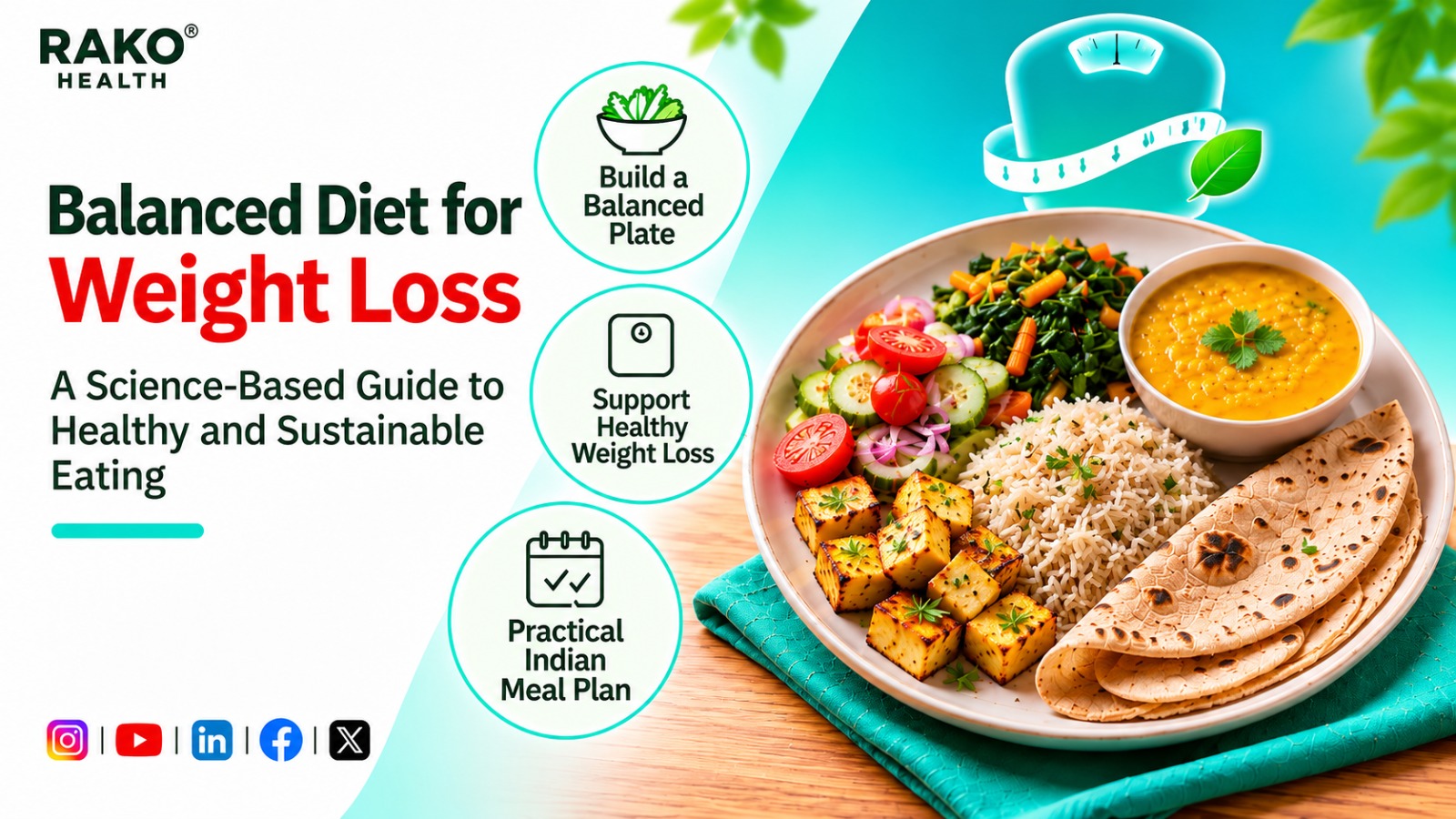
Can you lose weight while eating rice, roti and regular home-cooked food?
Yes. A balanced diet for weight loss does not require eliminating your favourite foods, surviving on salads or following extreme dietary restrictions.
The key is understanding how different nutrients influence hunger, metabolism, blood glucose, muscle health and overall energy balance.
Many people focus only on eating less. However, successful weight management also depends on what you eat, how your meals are structured and whether your dietary habits are sustainable.
This guide explains the science behind a balanced weight-loss diet and how to apply it using familiar Indian foods. Get expert guidance through our best dietician for weight loss support and learn how to make everyday meals healthier.
What Is a Balanced Diet for Weight Loss?
A balanced diet provides essential nutrients in appropriate proportions while supporting a suitable energy intake.
It includes:
- Carbohydrates: Supply energy for the brain, muscles and daily activities.
- Proteins: Support muscle maintenance, tissue repair and satiety.
- Healthy fats: Help maintain cell function and absorb fat-soluble vitamins.
- Dietary fibre: Supports digestive health and helps regulate fullness.
- Vitamins and minerals: Support metabolism, immunity and normal physiological functions.
The Indian Council of Medical Research–National Institute of Nutrition (ICMR-NIN) emphasizes dietary diversity, adequate vegetables and fruits, and balanced consumption of different food groups.
Importantly, a balanced diet is not necessarily the same for everyone. Nutritional requirements vary with age, body composition, activity, medical conditions and metabolic health.
Why Does a Balanced Diet Help With Weight Loss?
1. Supports Natural Hunger Regulation
Hunger is influenced by several physiological signals, including ghrelin, glucagon-like peptide-1 (GLP-1), peptide YY and other appetite-regulating pathways.
Protein-rich and fibre-containing meals can improve fullness, helping some people reduce excessive snacking and overall food intake.
For example, a meal containing rice, dal, vegetables and curd may provide greater nutritional balance and satiety than a large serving of rice alone.
2. Helps Preserve Muscle During Weight Loss
Weight reduction can involve losses of both body fat and lean tissue.
Adequate dietary protein, together with resistance-based physical activity where appropriate, helps preserve muscle during weight loss.
This matters because skeletal muscle contributes to physical strength, glucose disposal and overall metabolic function.
3. Supports Better Blood Glucose Regulation
Carbohydrate-containing foods are not inherently unhealthy.
However, carbohydrate quantity, food processing, fibre content and meal composition influence the blood glucose response.
Combining carbohydrates with vegetables, protein and appropriate amounts of fat can help moderate post-meal glucose responses.
For people with insulin resistance or type 2 diabetes, carbohydrate portions and meal composition may require additional individualization.
4. Improves Nutritional Adequacy
Highly restrictive diets can increase the risk of inadequate intake of certain vitamins, minerals, fibre and protein.
A varied diet supports nutritional adequacy while making long-term dietary adherence easier.
How to Build a Balanced Indian Plate for Weight Loss
The ICMR-NIN My Plate for the Day model provides a useful starting point for dietary balance.
A practical approach is to structure meals around three components:
| Plate component | Food examples |
| Approximately half the plate | Non-starchy vegetables and salads |
| Approximately one-quarter | Protein-rich foods such as dal, eggs, fish, chicken, tofu or paneer |
| Approximately one-quarter | Rice, roti, millets or other cereals |
Add appropriate amounts of healthy fats and include fruit, milk or curd according to individual nutritional needs.
This is a simplified meal-planning illustration, not a fixed prescription. The official ICMR-NIN model describes daily food-group quantities, and individual portions should be adjusted.
Best Foods to Include in a Balanced Weight-Loss Diet
Protein-Rich Foods
Protein contributes to satiety and helps protect lean tissue during weight reduction.
Useful Indian food sources include:
- Eggs, fish and lean chicken
- Dal, chickpeas and rajma
- Milk, curd and paneer
- Soybeans, tofu and other legumes
Protein requirements differ according to body size, health status and clinical circumstances. People with kidney disease may require specific medical nutrition guidance.
Fibre-Rich Foods
Dietary fibre supports digestive health and can improve meal satisfaction.
Include vegetables, whole grains, legumes and whole fruits such as guava, apples and oranges.
Increase fibre gradually if you experience bloating or digestive discomfort. Individuals with IBS may need a more personalized approach to fibre selection.
Healthy Fat Sources
Healthy fats are important, even during weight loss.
Choose moderate portions of nuts, seeds and suitable cooking oils. Walnuts, ground flaxseeds and other seeds can contribute beneficial unsaturated fats.
Remember that healthy fats are energy-dense, so portions still matter.
Can You Eat Rice and Roti While Losing Weight?
Yes. Neither rice nor roti needs to be completely eliminated for weight loss.
Both supply carbohydrates, and their effects depend on portion size, preparation and the foods eaten alongside them.
For example:
- Rice with dal, vegetables and curd can form a balanced meal.
- Whole-wheat roti with paneer and vegetable curry can also be nutritious.
- Large portions of either staple, particularly alongside energy-dense accompaniments, may make weight management more difficult.
Whole grains generally provide more fibre than refined grains, but white rice can still be included in an appropriately planned diet.
Rather than labelling rice or roti as fattening, focus on the overall nutritional quality of the meal.
Is a Calorie Deficit Necessary for Weight Loss?
Weight loss requires an energy deficit over time, meaning the body uses more energy than it receives from food.
However, creating an energy deficit does not necessarily require counting every calorie. A healthy Calorie Deficit Diet should include sufficient protein, fibre, and essential nutrients. Therefore, avoid extreme calorie restriction.
Dietary strategies that increase satiety, improve food quality and reduce excessive energy intake can help create this deficit naturally.
For example, replacing sugar-sweetened beverages with water and adding vegetables and protein to meals may improve dietary balance without complicated calculations.
As body weight decreases, energy requirements can also change. This partly explains why weight loss sometimes slows after initial progress.
Avoid severe dietary restriction, which can increase hunger, compromise nutritional adequacy and contribute to muscle loss.
A Simple Balanced Indian Meal Plan
The following is an illustrative example, not an individualized prescription.
| Meal | Example |
| Breakfast | Vegetable idli with sambar and a protein-rich accompaniment |
| Lunch | Rice or roti with dal, cooked vegetables and curd |
| Evening | Whole fruit or roasted chana, if hungry |
| Dinner | Roti with vegetable curry and paneer, tofu, fish or chicken |
Portions, meal timing and food choices should be adjusted to individual requirements.
People with diabetes, kidney disease, gastrointestinal disorders or other medical conditions may need specific modifications.
Five Common Mistakes That Can Affect Weight Loss
1. Eliminating entire food groups: Avoiding all carbohydrates or fats without a clinical reason can make dietary balance difficult.
2. Eating too little protein: Inadequate protein may contribute to loss of lean tissue during weight reduction.
3. Depending on fruit juices and liquid diets: Whole fruits generally provide more fibre and satiety than juices.
4. Following extreme fasting or crash diets: Highly restrictive approaches can be difficult to sustain and may create nutritional problems.
5. Ignoring sleep and physical activity: Sleep, movement and resistance exercise contribute to overall metabolic health and long-term weight management.
The most effective approach is one that provides adequate nutrition and can be maintained consistently.
How RAKO Health Approaches Balanced Nutrition for Weight Loss
At RAKO Health, we believe weight management should involve more than simply reducing food portions.
Our scientist-led approach considers medical history, relevant blood markers, dietary patterns, nutritional concerns and individual health goals.
We emphasize:
- Personalized nutrition using familiar home-cooked foods
- Appropriate nutritional balance without routine calorie counting
- Consideration of metabolic and digestive health
- Daily guidance and follow-up from the nutrition team
- Practical dietary changes that fit everyday life
Our programs do not require mandatory gym workouts, although physical activity remains beneficial for health.
The objective is to support healthier body composition, improved dietary habits and long-term metabolic well-being.
For additional guidance, explore the CDC's Healthy Eating for a Healthy Weight.
Looking to build healthier everyday habits? Explore RAKO Health's nutrition support and discover 7 Healthy Weight Management Habits to complement your weight-management journey
Frequently Asked Questions
1. What is the best balanced diet for weight loss?
A diet containing appropriate portions of vegetables, protein-rich foods, whole grains, fruits and healthy fats is a useful starting point. Individual requirements vary.
2. Can I lose weight by eating normal Indian home food?
Yes. Home-cooked Indian meals can support weight loss when portions, food combinations and overall energy intake are appropriate.
3. Is rice better than roti for weight loss?
Neither is universally better. Portion size, fibre content, meal composition and individual metabolic responses matter more than choosing one staple exclusively.
4. Do I need to count calories to lose weight?
Not necessarily. Calorie counting is one tool, but structured meals and sustainable dietary changes can also help manage energy intake.
5. How quickly can I lose weight with a balanced diet?
Weight-loss rates vary. Progress depends on starting body weight, medical conditions, energy balance, medications and consistency. Rapid results are not appropriate or achievable for everyone.
Final Thoughts
A balanced diet for weight loss is not about eating the smallest possible amount of food. It is about providing your body with appropriate nutrition while supporting a sustainable energy deficit.
You do not have to give up rice, roti or familiar Indian meals to work toward a healthier weight.
With personalized guidance, balanced meals and consistent habits, nutritious everyday food can become the foundation of long-term weight management.
Looking for personalized weight-loss guidance? Explore RAKO Health's science-based nutrition programs and discover how familiar home-cooked foods can support your health goals.
Disclaimer: This article is for educational purposes and does not replace individualized medical advice. Weight-loss outcomes vary, and people with medical conditions should seek appropriate professional guidance.
Related Blogs
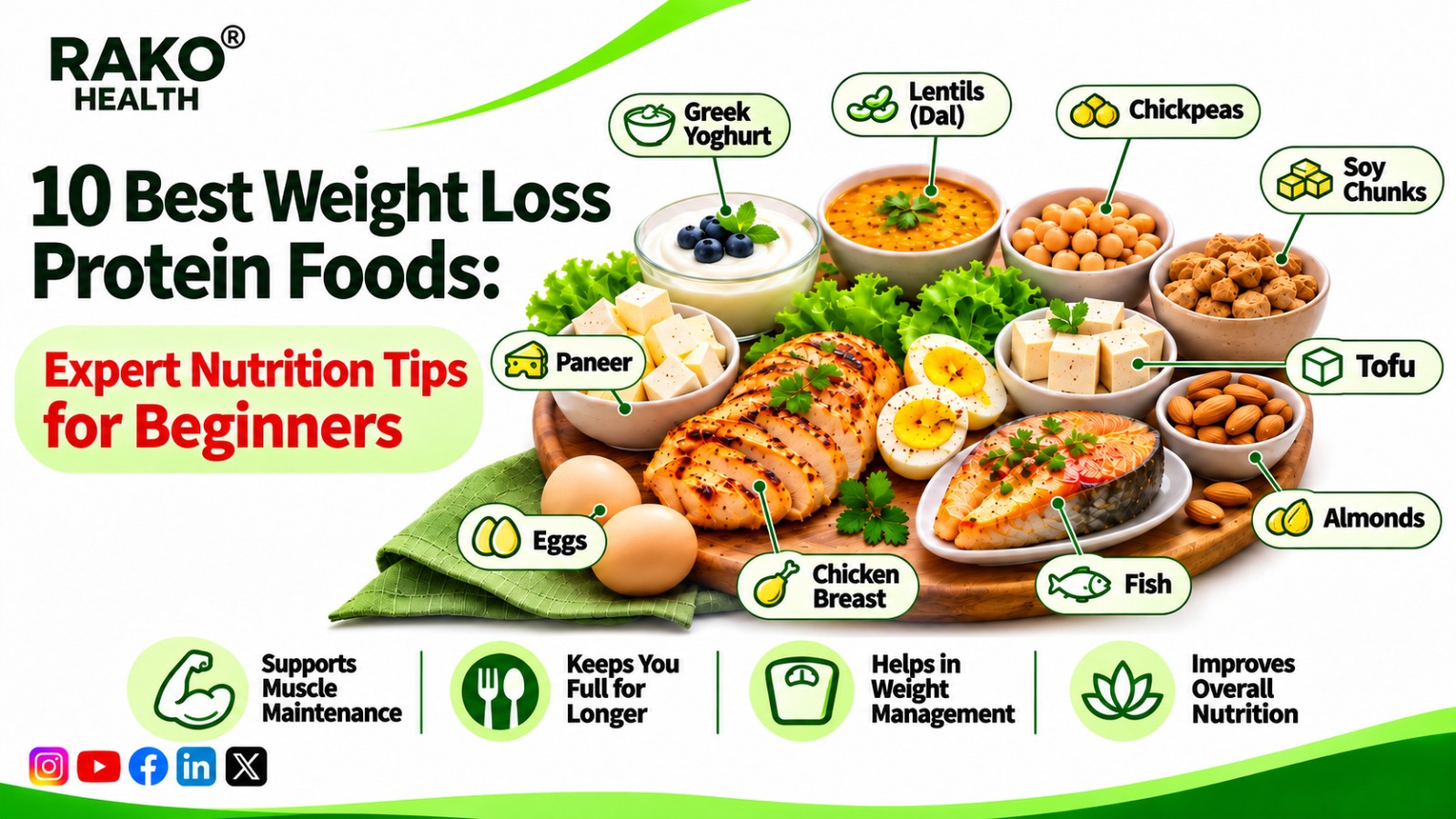
10 Best Weight Loss Protein Foods: Expert Nutrition Tips for Beginners
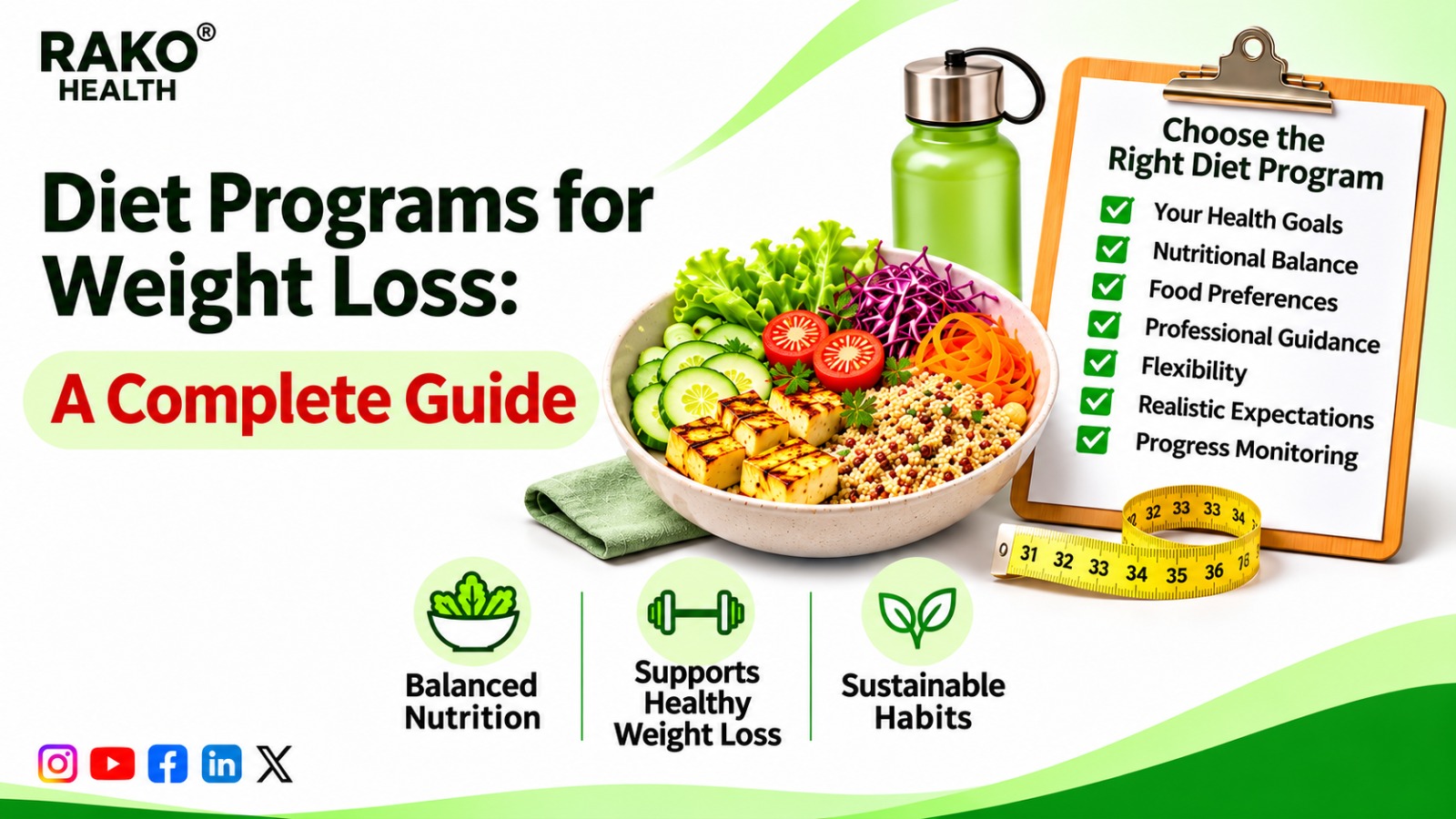
Diet Programs for Weight Loss: A Complete Guide
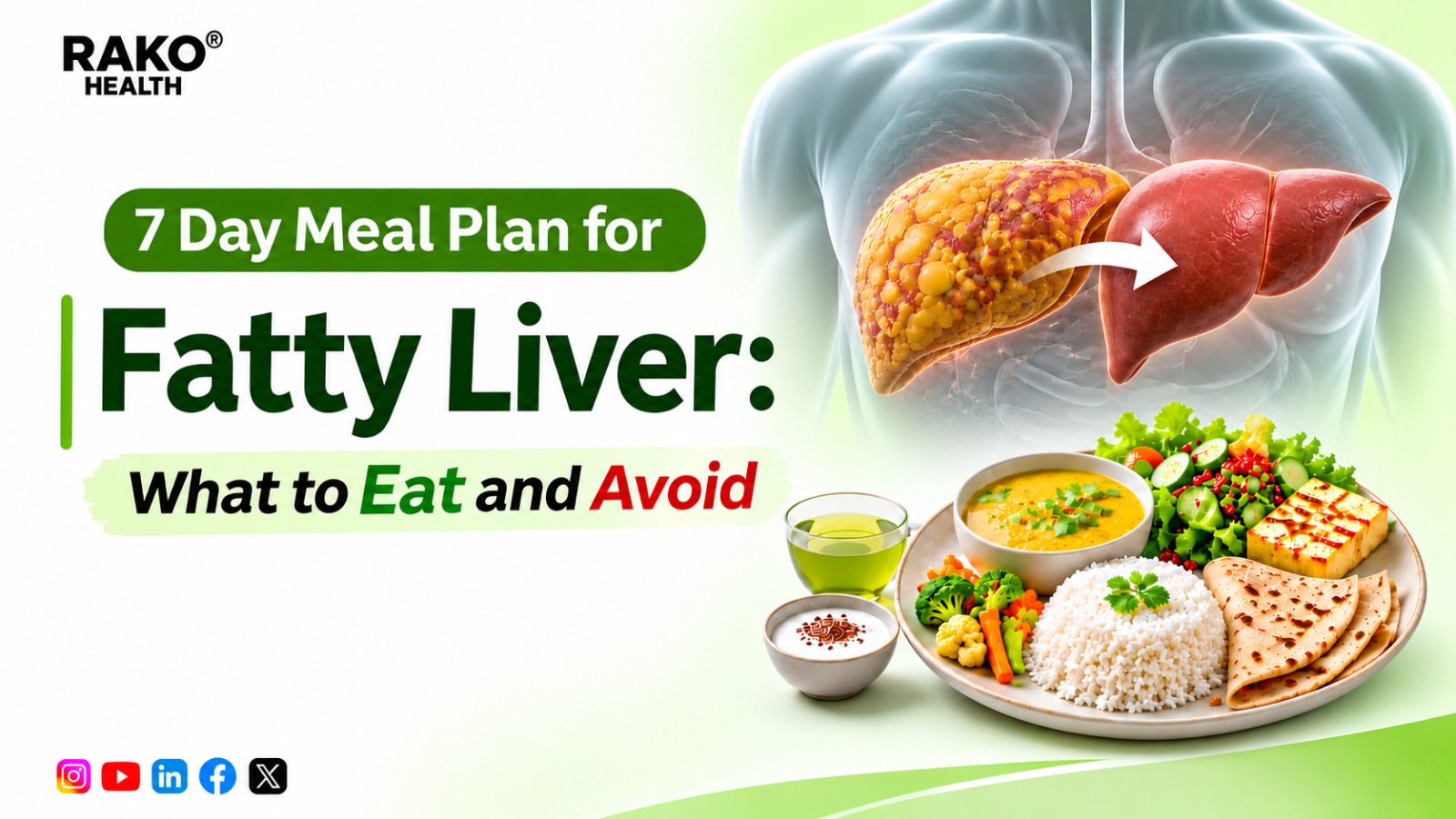
7 Day Meal Plan for Fatty Liver: What to Eat and Avoid
10 Best Weight Loss Protein Foods: Expert Nutrition Tips for Beginners
Diet Programs for Weight Loss: A Complete Guide
7 Day Meal Plan for Fatty Liver: What to Eat and Avoid
10 Best Weight Loss Protein Foods: Expert Nutrition Tips for Beginners
Diet Programs for Weight Loss: A Complete Guide
7 Day Meal Plan for Fatty Liver: What to Eat and Avoid
10 Best Weight Loss Protein Foods: Expert Nutrition Tips for Beginners
Diet Programs for Weight Loss: A Complete Guide