
7 Day Meal Plan for Fatty Liver: What to Eat and Avoid


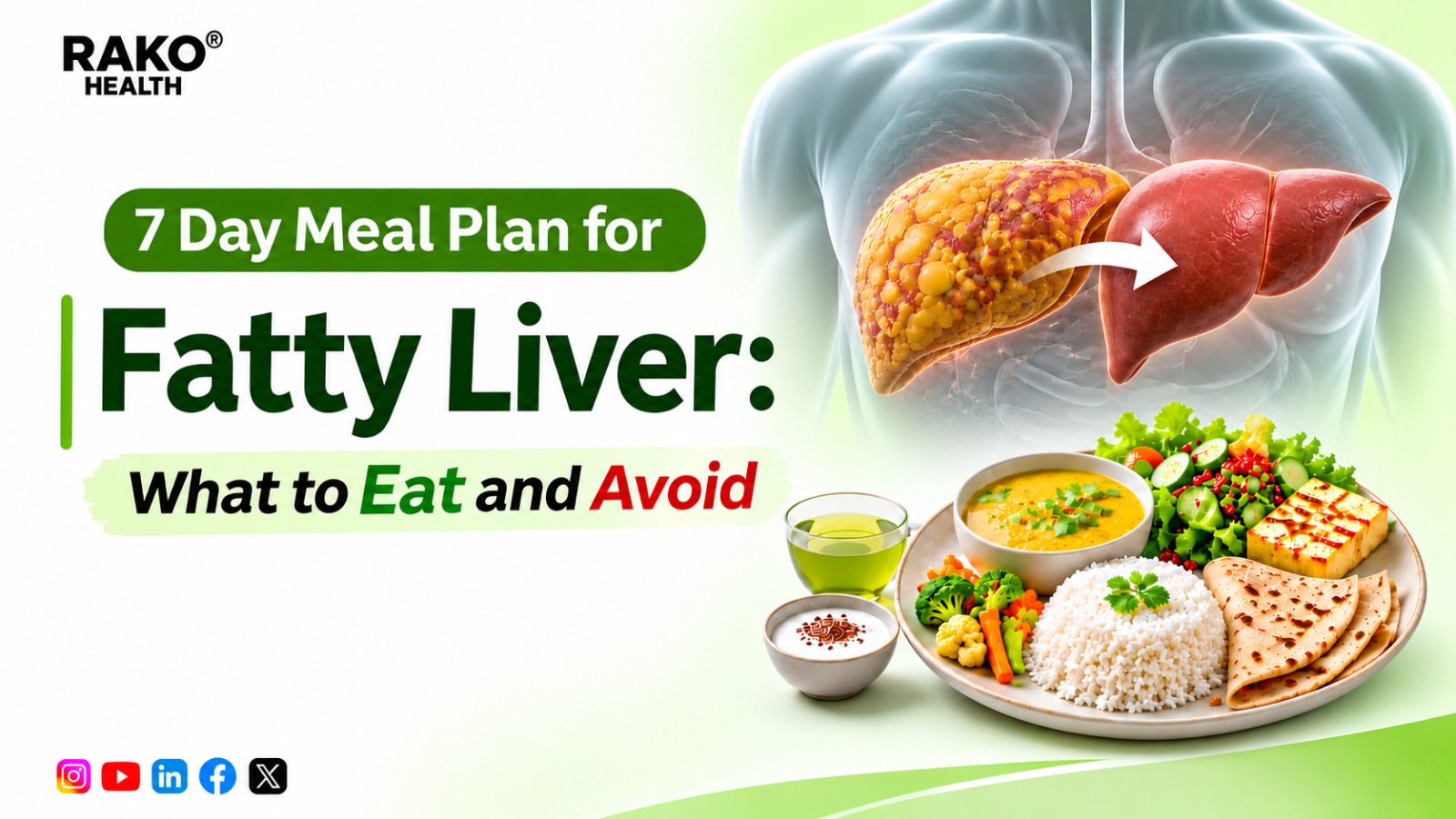
A 7 day meal plan for fatty liver helps you make healthier food choices while supporting liver function and metabolic health. If you have fatty liver, you do not need to eliminate your favourite Indian foods. Instead, focus on balanced meals, portion control, and nutritious ingredients. With personalized guidance from RAKO Health's fatty liver nutrition services, you can develop a sustainable eating routine that suits your lifestyle.
What Is Fatty Liver Disease?
Fatty liver occurs when excess fat accumulates inside liver cells. It often develops alongside insulin resistance, obesity, type 2 diabetes, and abnormal cholesterol levels.
Doctors now commonly use the term metabolic dysfunction-associated steatotic liver disease (MASLD). Earlier, this condition was known as non-alcoholic fatty liver disease (NAFLD).
Fortunately, appropriate dietary changes and physical activity can help reduce liver fat and improve metabolic health.
How Does Diet for Fatty Liver Improve Liver Health?
A balanced diet for fatty liver supports healthier metabolism and helps manage conditions associated with liver fat accumulation.
Here are some important benefits:
- Improves insulin sensitivity: Balanced meals support healthier blood sugar levels.
- Reduces excess liver fat: Limiting sugary drinks helps improve metabolic health.
- Supports fat metabolism: Unsaturated fats provide healthier alternatives to excessive saturated fats.
- Improves digestion: Fibre-rich foods support gut health.
- Supports weight management: Appropriate weight reduction can improve liver health in people with overweight or obesity.
7 Day Meal Plan for Fatty Liver: Indian Diet Chart
Following a consistent eating routine makes healthy food choices easier. This Indian meal chart includes familiar ingredients that are practical for everyday cooking.
| Day | Breakfast | Lunch & Dinner |
| Monday | Idli with vegetable sambar | Lunch: Moderate rice portion, moong dal curry, and curd. Dinner: 2 phulkas with mixed vegetables curry. |
| Tuesday | Puffed rice | Lunch: 2 chapatis, chana masala and cucumber salad. Dinner: Vegetable khichdi with plain curd. |
| Wednesday | Pesarattu with mint chutney | Lunch: Rice, vegetable sambar and beans poriyal. Dinner: 2 phulkas with paneer curry and salad. |
| Thursday | Vegetable poha with peanuts | Lunch: 2 chapatis, rajma curry and fresh salad. Dinner: Moderate rice portion, dal and bottle gourd curry. |
| Friday | Whole-wheat dosa with sambar | Lunch: Rice with grilled fish or chickpea curry and vegetables. Dinner: 2 chapatis with mixed vegetables and plain curd. |
| Saturday | Vegetable dalia | Lunch: Millet or rice, dal and leafy greens. Dinner: Moong dal khichdi with vegetables. |
| Sunday | Vegetable uthappam with sambar | Lunch: 2 chapatis with egg curry or any vegetable curry. Dinner: Moderate rice portion, dal and mixed vegetables. |
Healthy Snacks for Fatty Liver
Choose nutritious snacks when you feel hungry between meals.
- Morning: Guava, apple, orange or papaya.
- Afternoon: A small handful of unsalted almonds or walnuts.
- Evening: Roasted chana or unsweetened buttermilk.
Importantly, adjust food portions according to your individual nutritional requirements.
Foods to Eat and Avoid for Fatty Liver
Your daily food choices influence blood sugar, cholesterol, and metabolic health. Therefore, replace highly processed foods with nutritious alternatives.
| Foods to Limit | Healthier Alternatives |
| Sugary drinks and soda | Water and unsweetened beverages |
| Packaged fruit juices | Whole seasonal fruits |
| Deep-fried snacks | Roasted chana |
| Processed meats | Fish, eggs, dal or tofu |
| Excess butter and ghee | Moderate unsaturated vegetable oils |
| Cakes and biscuits | Fresh fruit or plain curd |
| Refined carbohydrates | Whole grains and millets |
Additionally, avoid alcohol, especially if you have liver inflammation or fibrosis. Discuss alcohol consumption with your treating doctor.
Can You Eat Rice, Potatoes and Fruits with Fatty Liver?
Yes! You generally do not need to eliminate these foods completely.
However, preparation methods and portion sizes matter.
- Rice: Choose moderate portions and combine rice with dal and vegetables.
- Potatoes: Prefer boiled or baked potatoes instead of fried preparations.
- Fruits: Choose whole fruits rather than packaged juices.
- Cooking oils: Use moderate amounts of healthy oils e.g. olive oil, avocado oil, flaxseed oil etc.
- Roti: Prefer whole-wheat rotis with protein-rich curries.
A balanced eating pattern matters more than eliminating individual foods.
How Much Weight Loss Helps Fatty Liver?
For people with overweight or obesity, gradual weight reduction can improve liver health.
Research suggests these potential benefits:
- 3–5% weight loss: May reduce liver fat.
- 7–10% weight loss: May improve liver inflammation.
- Above 10% weight loss: May improve liver fibrosis in some individuals.
However, these figures are research-based estimates, not guaranteed results. Consult your healthcare professional before setting weight-loss goals.
Fatty Liver Diet Plan for NRIs
Managing fatty liver while living abroad can be challenging. NRIs often experience different food availability, demanding work schedules, and frequent restaurant meals.
Nevertheless, you can maintain a healthy Indian eating pattern internationally.
Consider these practical food swaps:
- Choose whole-grain bread instead of refined white bread.
- Prepare dal using locally available lentils.
- Select grilled fish instead of fried takeaway meals.
- Include fresh berries, apples, and seasonal vegetables.
- Carry unsalted nuts or roasted chickpeas for convenient snacks.
At RAKO Health, we understand the importance of combining Indian food preferences with international lifestyles.
Our nutrition approach considers individual food preferences, medical history, metabolic conditions, and personal health goals.
Explore our diet for fatty liver guide for more practical dietary recommendations.
Why Choose RAKO Health for Fatty Liver Nutrition?
Every individual has different nutritional requirements. Therefore, a general meal chart may not meet everyone's needs.
RAKO Health focuses on personalized nutrition guidance that supports sustainable dietary improvements.
Our nutrition services consider:
- Individual food preferences and eating habits.
- Liver health and metabolic conditions.
- Indian and international meal options.
- Sustainable weight-management goals.
- Practical dietary changes for everyday life.
Looking for professional nutrition guidance? Explore our Best Dietician for Fatty Liver resource to learn more about expert dietary support.
For additional information, visit the American Liver Foundation for reliable liver health resources.
If you want to improve your eating habits, RAKO Health can help you explore personalised nutrition support that fits your food preferences and everyday routine.
Frequently Asked Questions
1. What is the best breakfast for fatty liver?
Idli with sambar, egg omelet, pesarattu, and vegetable dalia are nutritious breakfast options. Choose meals containing fibre and protein.
2. Can I eat rice every day with fatty liver?
Yes. Moderate rice portions can fit into a healthy diet. Combine rice with dal, vegetables, and protein.
3. Which fruits are good for fatty liver?
Guava, apples, pear, oranges, berries, and papaya are good choices but limit the quantity. Prefer whole fruits instead of fruit juices.
4. Can fatty liver be reversed through diet?
Dietary improvements, physical activity, and appropriate weight management can improve fatty liver. However, advanced liver disease requires medical supervision.
5. How long does it take to improve fatty liver?
Improvement varies depending on liver condition, lifestyle, and metabolic health. Regular medical monitoring helps assess progress.
6. Can NRIs follow an Indian fatty liver diet?
Absolutely. NRIs can prepare balanced meals using locally available vegetables, whole grains, lentils, fish, and healthy fats.
7. Is curd good for fatty liver?
Plain, unsweetened, low-fat curd can fit into a balanced eating pattern. Avoid flavoured varieties with added sugar.
Related Blogs
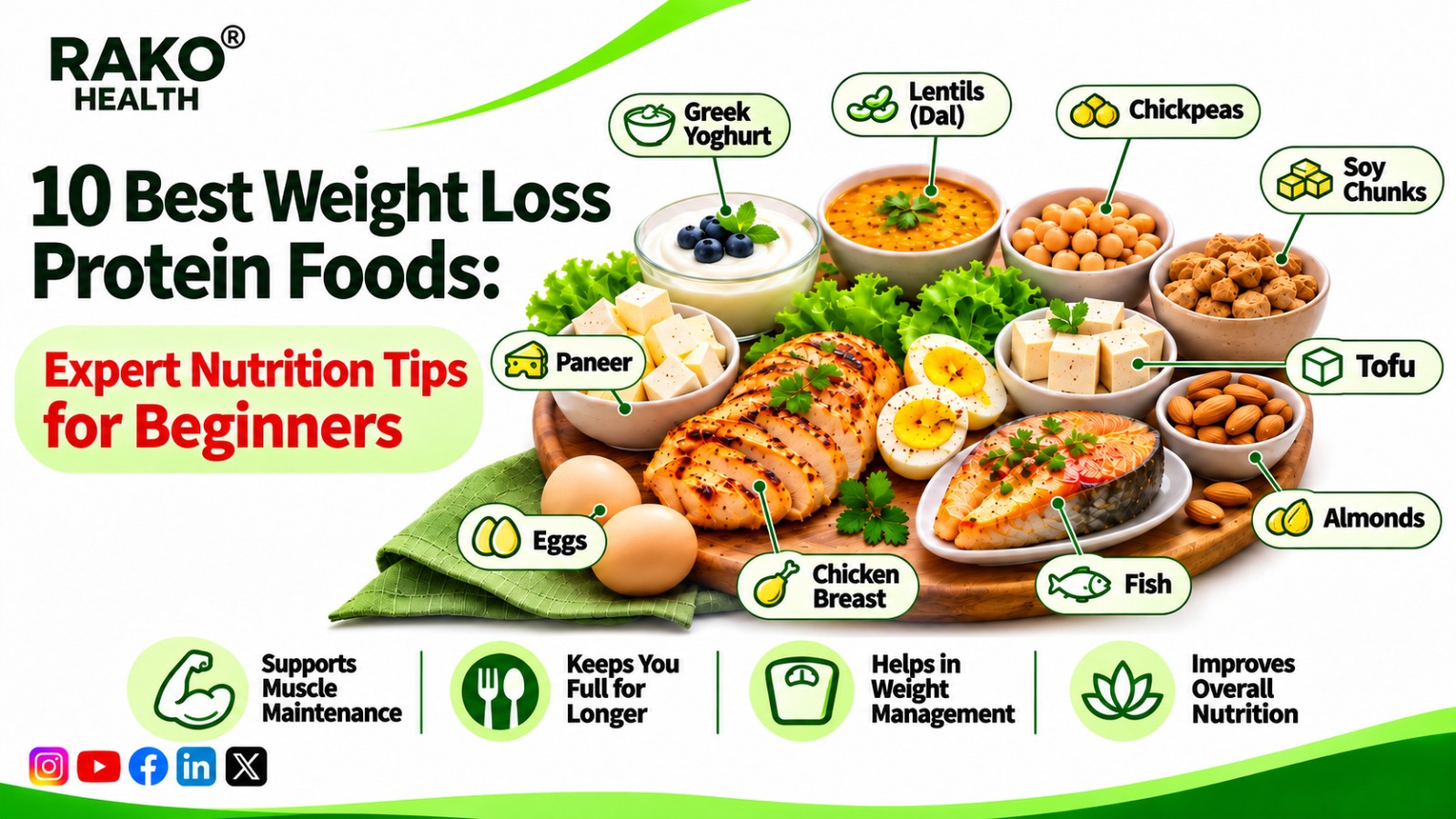
10 Best Weight Loss Protein Foods: Expert Nutrition Tips for Beginners
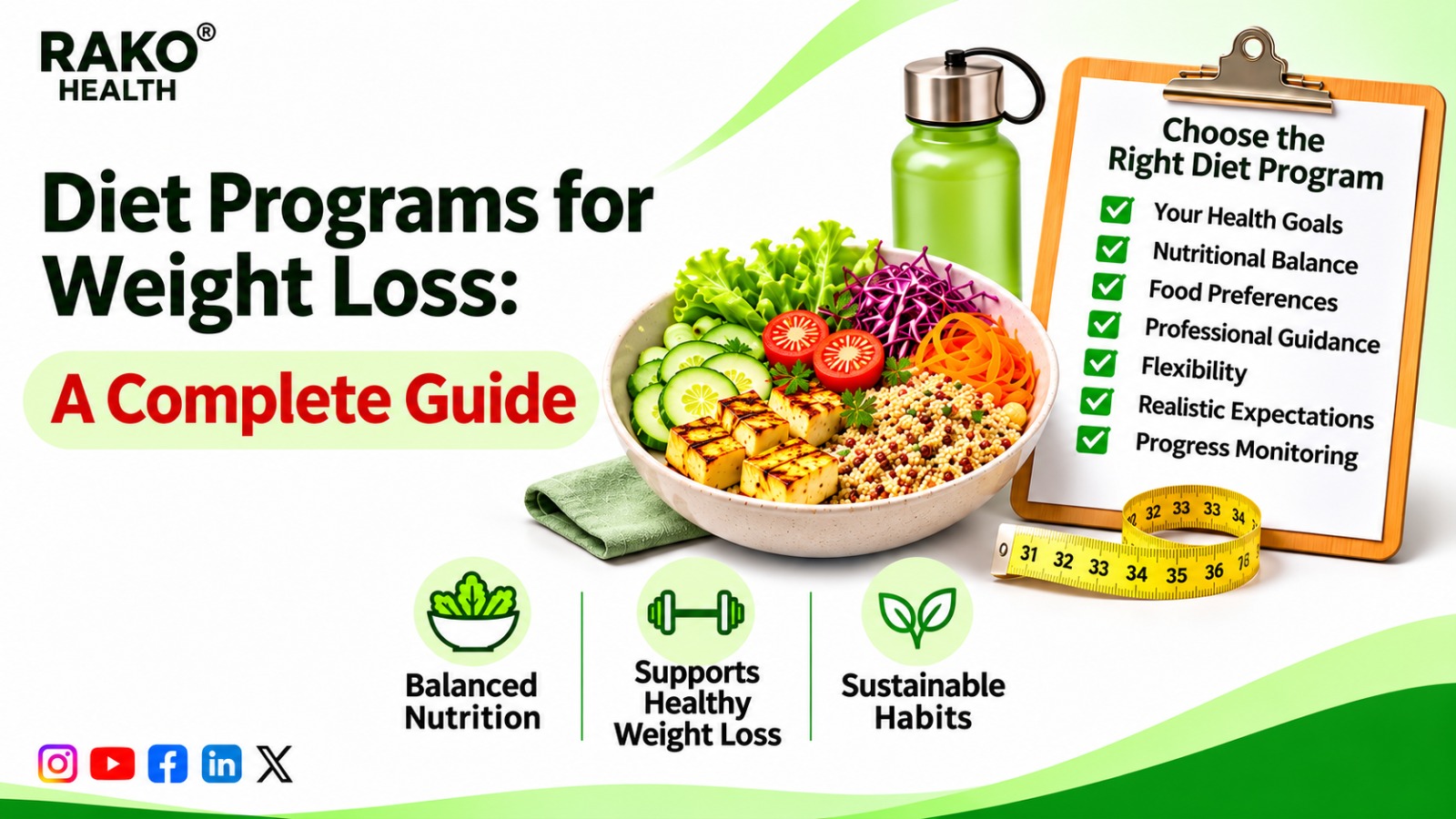
Diet Programs for Weight Loss: A Complete Guide
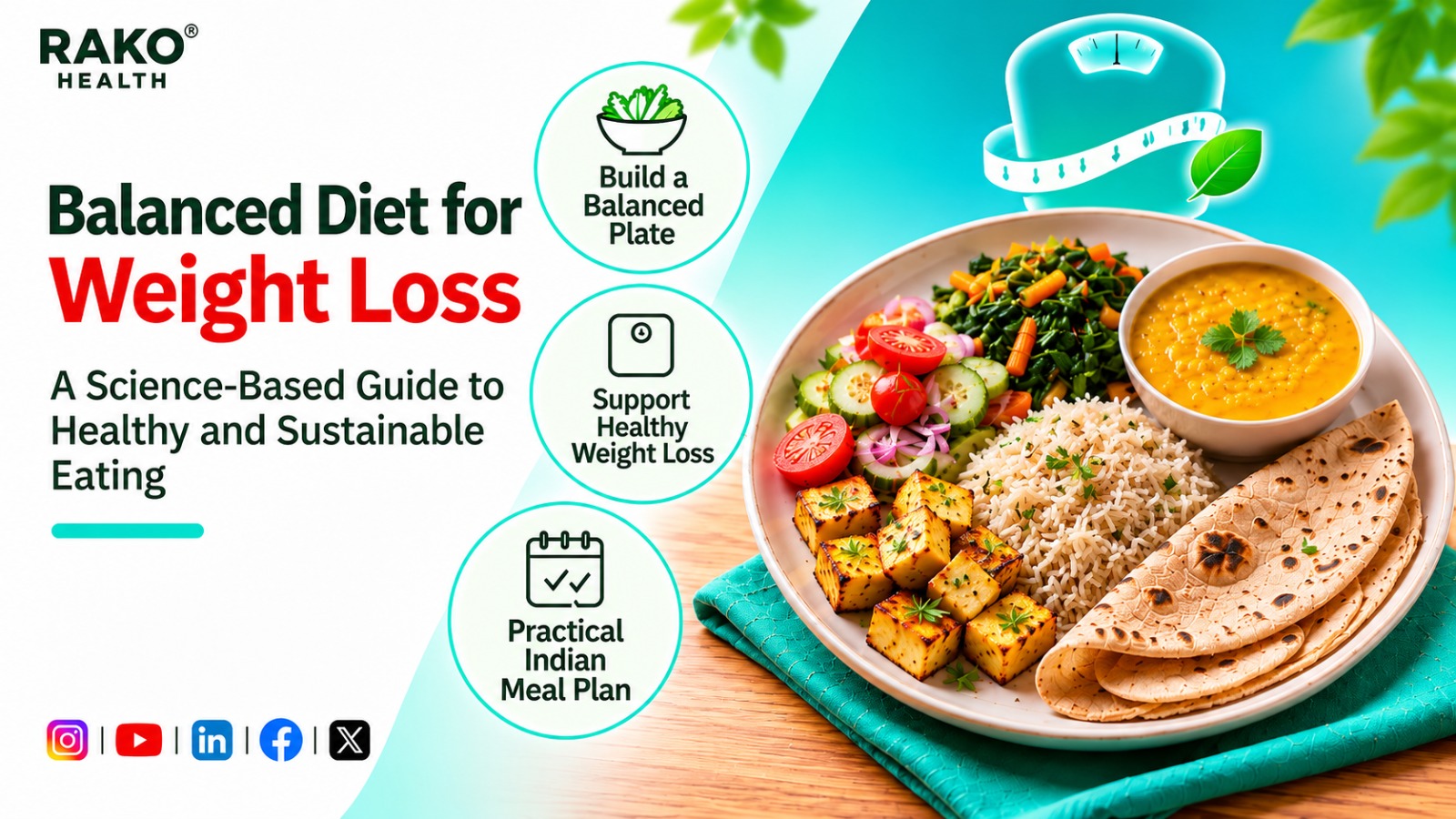
Balanced Diet for Weight Loss: A Science-Based Guide to Healthy Eating
10 Best Weight Loss Protein Foods: Expert Nutrition Tips for Beginners
Diet Programs for Weight Loss: A Complete Guide
Balanced Diet for Weight Loss: A Science-Based Guide to Healthy Eating
10 Best Weight Loss Protein Foods: Expert Nutrition Tips for Beginners
Diet Programs for Weight Loss: A Complete Guide
Balanced Diet for Weight Loss: A Science-Based Guide to Healthy Eating
10 Best Weight Loss Protein Foods: Expert Nutrition Tips for Beginners
Diet Programs for Weight Loss: A Complete Guide