
Regular Blood Sugar – What Does the Latest Medical Research Say?


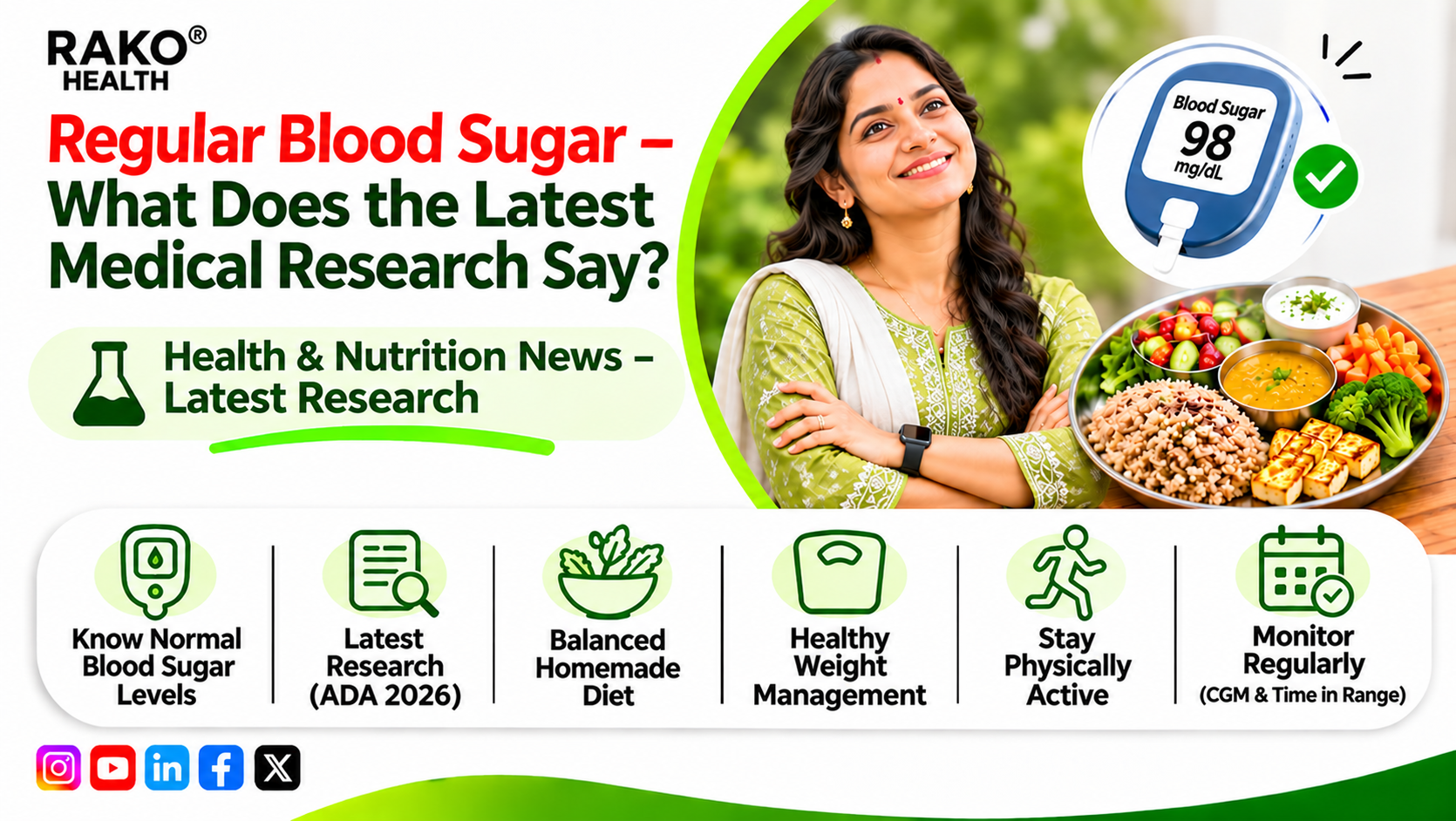
Regular blood sugar monitoring plays an important role in preventing diabetes complications and maintaining long-term health. Recent medical research highlights personalized glucose monitoring, balanced nutrition, and lifestyle changes. At RAKO Health, we encourage healthier habits through expert nutritional guidance. If you need personalised support, explore our Best Dietician for Diabetes services.
What Does Regular Blood Sugar Mean?
Regular blood sugar refers to maintaining glucose levels within a healthy range throughout the day. Glucose provides energy to your brain, muscles, and other organs.
However, frequent glucose fluctuations may indicate problems with insulin production or insulin resistance.
Therefore, understanding your glucose patterns helps identify unusual changes early.
Latest Medical Research on Regular Blood Sugar in 2026
The American Diabetes Association (ADA) released its 2026 Standards of Care with updated recommendations.
These guidelines highlight three important developments:
- Continuous Glucose Monitoring (CGM): CGM technology tracks glucose changes throughout the day. It helps identify hidden glucose spikes and dangerous lows.
- Time in Range (TIR): Doctors increasingly assess how long glucose stays within the target range. This provides information beyond individual blood sugar readings.
- Personalised Nutrition: Current recommendations recognise Mediterranean-style and lower-carbohydrate eating patterns as evidence-supported approaches to diabetes management.
Additionally, the guidelines emphasise individualised treatment and appropriate glucose monitoring.
These developments support personalised diabetes management rather than relying on occasional glucose readings alone.
What Are the Normal Regular Blood Sugar Levels?
Understanding glucose reference ranges helps you interpret laboratory results.
| Blood glucose test | Normal | Diabetes range |
| Fasting glucose | Below 100 mg/dL | 126 mg/dL or above |
| 2-hour OGTT | Below 140 mg/dL | 200 mg/dL or above |
| HbA1c | Below 5.7% | 6.5% or above |
Important: Prediabetes ranges are 100–125 mg/dL for fasting glucose, 140–199 mg/dL for the 2-hour OGTT, and 5.7–6.4% for HbA1c.
These diagnostic thresholds apply to nonpregnant individuals. Healthcare professionals generally confirm diabetes through repeat testing unless clear diagnostic symptoms exist.
Explore our guide to Normal Blood Glucose Levels for additional information.
Why Regular Blood Sugar Monitoring Matters
Monitoring glucose provides valuable insights into your body's response to everyday activities.
For example, readings may change after eating rice, exercising, sleeping, or experiencing stress.
Regular monitoring can help you:
- Identify unusual glucose fluctuations.
- Understand how different foods affect your readings.
- Recognise possible hypoglycaemia.
- Evaluate diabetes treatment effectiveness.
- Make informed lifestyle adjustments.
Furthermore, monitoring helps healthcare professionals personalise treatment plans.
What Is Time in Range?
Time in Range measures the percentage of time glucose stays between 70 and 180 mg/dL.
The ADA recommends a target above 70% for many adults with diabetes.
However, older adults with complex health conditions may need different targets. Individual treatment goals should always guide decisions.
How to Maintain Regular Blood Sugar Through Homemade Food
Indian homemade meals can support healthy glucose management when portions remain balanced.
Consider these practical dietary habits:
- Choose whole grains: Include millets, oats, brown rice, and whole-wheat roti.
- Increase vegetables: Add spinach, beans, gourds, and seasonal vegetables.
- Include protein: Eat dal, chickpeas, eggs, paneer, and curd.
- Choose whole fruits: Prefer guava, apples, oranges, and other suitable seasonal fruits.
- Reduce added sugar: Limit sweetened beverages, desserts, and packaged snacks.
Additionally, combine carbohydrates with protein and fibre for balanced meals.
Read our article on Normal Sugar Levels – How to Control Them with Home-Made Food for practical meal ideas.
Regular Blood Sugar and Weight Management
Excess body weight can increase insulin resistance in many individuals.
Consequently, sustainable weight management can improve glucose control, particularly among people with type 2 diabetes.
Useful lifestyle habits include:
- Walking for 30 minutes most days.
- Performing suitable strength exercises.
- Maintaining consistent meal timings.
- Getting adequate sleep.
- Reducing prolonged sitting.
For Hyderabad residents seeking structured support, explore our Weight Loss Program Hyderabad – Lose Up to 20kg in 90 Days.
Why NRIs Should Monitor Regular Blood Sugar
Non-Resident Indians often experience lifestyle changes while living abroad.
Different food choices, work schedules, travel, and reduced physical activity can influence glucose regulation.
For example, frequent restaurant meals and irregular eating schedules may make healthy routines difficult.
NRIs can benefit from:
- Periodic blood glucose assessments.
- Personalised Indian meal planning.
- Online nutrition consultations.
- Regular physical activity.
- Consistent follow-ups with healthcare professionals.
RAKO Health encourages NRIs to maintain practical nutrition habits while enjoying familiar Indian foods.
How RAKO Health Supports Diabetes Nutrition
Managing diabetes requires consistent habits and professional guidance.
RAKO Health promotes personalized nutrition strategies for individuals seeking better metabolic health.
Our nutrition-focused approach can help with:
- Understanding individual dietary requirements.
- Developing balanced Indian meal plans.
- Improving everyday food choices.
- Supporting sustainable weight management.
- Building long-term healthy habits.
You can also explore Dr. Meram Chalamaiah to learn more about professional guidance associated with RAKO Health.
Choosing the Best Dietician for Diabetes can help you develop realistic dietary habits instead of following restrictive food trends.
Frequently Asked Questions
1. What is considered regular blood sugar?
For people without diabetes, normal fasting glucose generally remains below 100 mg/dL. Individual readings naturally change throughout the day.
2. How often should I check my blood sugar?
Testing frequency depends on your diabetes status, medications, and treatment plan. People using insulin may require more frequent monitoring.
3. What is the recommended time in range?
The general ADA target for many adults with diabetes is above 70% within 70–180 mg/dL. However, individual targets vary.
4. Can walking help maintain regular blood sugar?
Yes. Regular physical activity improves insulin sensitivity and supports glucose management. However, exercise plans should consider individual medical conditions.
5. Which Indian foods support healthy blood sugar?
Millets, vegetables, pulses, whole grains, nuts, and balanced protein sources support healthy eating. Portion sizes remain important.
6. Can NRIs receive diabetes nutrition guidance from India?
Yes. NRIs can explore online nutrition consultations and personalised meal-planning services through suitable healthcare providers.
7. Does regular blood sugar monitoring prevent diabetes?
Monitoring alone cannot prevent diabetes. However, identifying abnormal readings can encourage timely medical assessment and lifestyle changes.
Final Thoughts
For additional evidence-based guidance, visit the American Diabetes Association.
If you want to understand your glucose patterns and improve your eating habits, explore the nutrition services offered by RAKO Health.
Related Blogs
GLP-1 Eye Side Effects: FDA Warns of Rare Vision Loss Risk with Ozempic and Wegovy

How to Choose the Best Diet for Weight Loss According to Nutrition Experts

Gut Microbiome Health: How Cereals and Pseudocereals May Improve Gut Health
GLP-1 Eye Side Effects: FDA Warns of Rare Vision Loss Risk with Ozempic and Wegovy
How to Choose the Best Diet for Weight Loss According to Nutrition Experts
Gut Microbiome Health: How Cereals and Pseudocereals May Improve Gut Health
GLP-1 Eye Side Effects: FDA Warns of Rare Vision Loss Risk with Ozempic and Wegovy
How to Choose the Best Diet for Weight Loss According to Nutrition Experts
Gut Microbiome Health: How Cereals and Pseudocereals May Improve Gut Health
GLP-1 Eye Side Effects: FDA Warns of Rare Vision Loss Risk with Ozempic and Wegovy
How to Choose the Best Diet for Weight Loss According to Nutrition Experts