
How to Choose the Best Diet for Weight Loss According to Nutrition Experts


How to Choose the Best Diet for Weight Loss depends on your health goals, food preferences, lifestyle, and ability to maintain healthy habits. With countless diet plans promising quick results, finding the right approach can feel overwhelming. However, nutrition experts recommend focusing on balanced meals, sustainable changes, and individual nutritional needs.
At RAKO Health, we believe healthy weight management starts with practical, evidence-based nutrition rather than restrictive diets. Whether you live in India or abroad, the right eating plan should fit your daily routine and support your long-term well-being.
What Is the Best Diet for Weight Loss?
The Best Diet for Weight Loss is a balanced eating pattern that helps you manage calorie intake while meeting your nutritional needs. No single diet works equally well for everyone. Therefore, consider these essential elements when choosing your plan:
- Protein: Eggs, lentils, fish, chicken, tofu, and paneer help maintain muscle and support fullness.
- Fiber: Vegetables, fruits, oats, beans, and whole grains support digestion and appetite control.
- Healthy fats: Nuts, seeds, and unsaturated vegetable oils provide essential nutrients.
- Whole foods: Choose minimally processed foods more often to improve overall diet quality.
- Appropriate portions: Adjust portions to your energy needs, activity levels, and weight goals.
Additionally, choose foods you enjoy. A realistic diet is easier to follow consistently than a strict plan that leaves you feeling deprived.
How to Choose the Best Diet for Weight Loss: 5 Expert Tips
If you are wondering how to choose a diet for sustainable weight loss, start with these five steps.
1. Understand Your Health and Weight Goals
First, consider your current health, activity level, medical history, and nutritional needs. Your ideal approach may differ from someone else's, especially if you have diabetes, thyroid conditions, or other health concerns.
2. Choose Protein-Rich, High-Fiber Meals
Next, include protein and fiber in your regular meals. For example, pair dal and vegetable sabzi with whole-wheat roti. Alternatively, choose eggs with whole-grain toast or oats with unsweetened yogurt.
These combinations provide essential nutrients and can help you feel satisfied between meals.
3. Focus on Food Quality and Portion Sizes
Although calorie intake influences weight change, food quality matters for overall health and satiety. Therefore, replace frequent sugary drinks and highly processed snacks with fruit, nuts, or balanced meals.
You do not need to eliminate rice, roti, or other carbohydrates. Instead, choose appropriate portions and pair them with protein and vegetables.
4. Select a Diet That Fits Your Lifestyle
Consider your work schedule, budget, culture, cooking habits, and food preferences. For instance, a busy professional may benefit from meal preparation and simple, balanced lunches.
Similarly, intermittent fasting or low-carbohydrate eating may suit some adults but not others. Choose an approach you can maintain safely.
5. Track Progress and Adjust Gradually
Finally, monitor your energy, hunger, eating habits, and weight trends. Avoid judging progress by daily scale changes alone. If your plan feels difficult to maintain, review your portions, meal timing, and food choices with a qualified dietitian.
Which Popular Diets Support Healthy Weight Loss?
Different dietary patterns can support weight management when they provide adequate nutrition and help you maintain an appropriate calorie intake.
- Mediterranean diet: Emphasizes vegetables, fruit, legumes, whole grains, fish, nuts, and olive oil.
- Low-carbohydrate diet: Reduces carbohydrate intake while prioritizing suitable protein and fat sources.
- Plant-based diet: Focuses on vegetables, fruits, whole grains, beans, lentils, nuts, and seeds.
- Intermittent fasting: Uses scheduled eating and fasting periods to help some people manage food intake.
However, no approach guarantees faster or better results for everyone. Your health needs, food preferences, and long-term consistency matter more than following a popular trend.
For evidence-based guidance, explore the National Institute of Diabetes and Digestive and Kidney Diseases.
Best Diet for Weight Loss for Indians and NRIs
A healthy weight-loss diet does not require expensive ingredients or imported health products. Indian meals can provide balanced nutrition when you combine appropriate portions with protein, vegetables, and whole grains.
For example, try this simple daily meal structure:
- Breakfast: Vegetable poha with peanuts, or eggs with whole-grain toast.
- Lunch: Dal, sabzi, salad, and roti or rice.
- Snack: Fruit, unsweetened yogurt, or a small handful of nuts.
- Dinner: Vegetable khichdi with curd, or grilled fish or tofu with vegetables.
For NRIs in the United States, United Kingdom, Canada, and other countries, locally available beans, oats, frozen vegetables, whole grains, and unsweetened yogurt can simplify meal planning.
Meanwhile, people working long hours can prepare meals ahead and limit frequent takeaway meals. These practical changes can make healthy eating more manageable across different cultures and schedules.
How RAKO Health Can Help You Choose the Right Diet
Choosing the Best Diet for Weight Loss becomes easier when you receive guidance tailored to your health, lifestyle, and nutritional requirements.
RAKO Health encourages personalized nutrition strategies that prioritize balanced meals, realistic goals, and sustainable habits. A qualified dietitian can help you develop a practical eating plan without unnecessary food restrictions.
Explore our related resources:
- Best Dietitian for Weight Loss: Learn how professional nutrition guidance can support your weight-management journey.
- Best Dietician in Hyderabad: Explore guidance for finding nutrition support in Hyderabad.
Frequently Asked Questions
1. How do I choose the best diet for weight loss?
Choose a balanced eating plan that meets your nutritional needs, supports an appropriate calorie intake, and fits your lifestyle. A qualified dietitian can help personalize your approach.
2. Which diet is best for losing weight sustainably?
Several dietary patterns can work. A balanced plan rich in vegetables, whole grains, protein, and fiber may support sustainable weight management when it suits your needs.
3. Should I stop eating rice and roti to lose weight?
No. You can include rice and roti in appropriate portions. Pair them with protein-rich foods and vegetables for balanced meals.
4. Is a high-protein diet good for weight loss?
Adequate protein can support fullness and muscle maintenance during weight loss. However, your ideal intake depends on your individual needs and health status.
6. When should I consult a dietitian?
Consider professional guidance if you have a medical condition, struggle with repeated weight changes, or need a personalized nutrition plan.
Take the Next Step Toward Healthier Eating
Learning how to choose the Best Diet for Weight Loss is about finding an approach that works with your life, not against it. With balanced nutrition, consistent habits, and appropriate professional support, you can make more informed choices for your long-term health.
Explore RAKO Health’s nutrition resources to discover practical meal ideas and learn how personalized dietary guidance may help you work toward your health goals.
Related Blogs
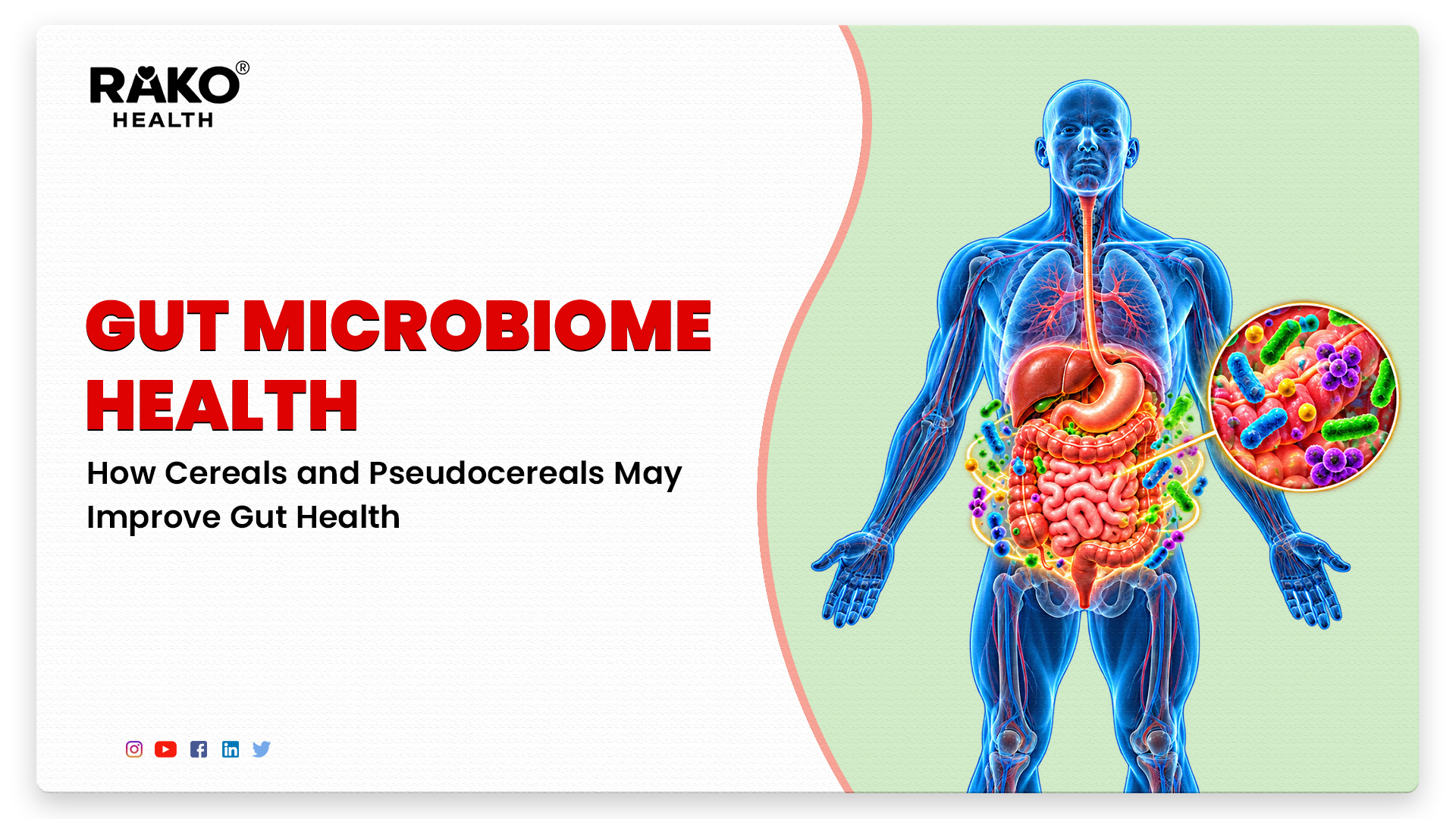
Gut Microbiome Health: How Cereals and Pseudocereals May Improve Gut Health
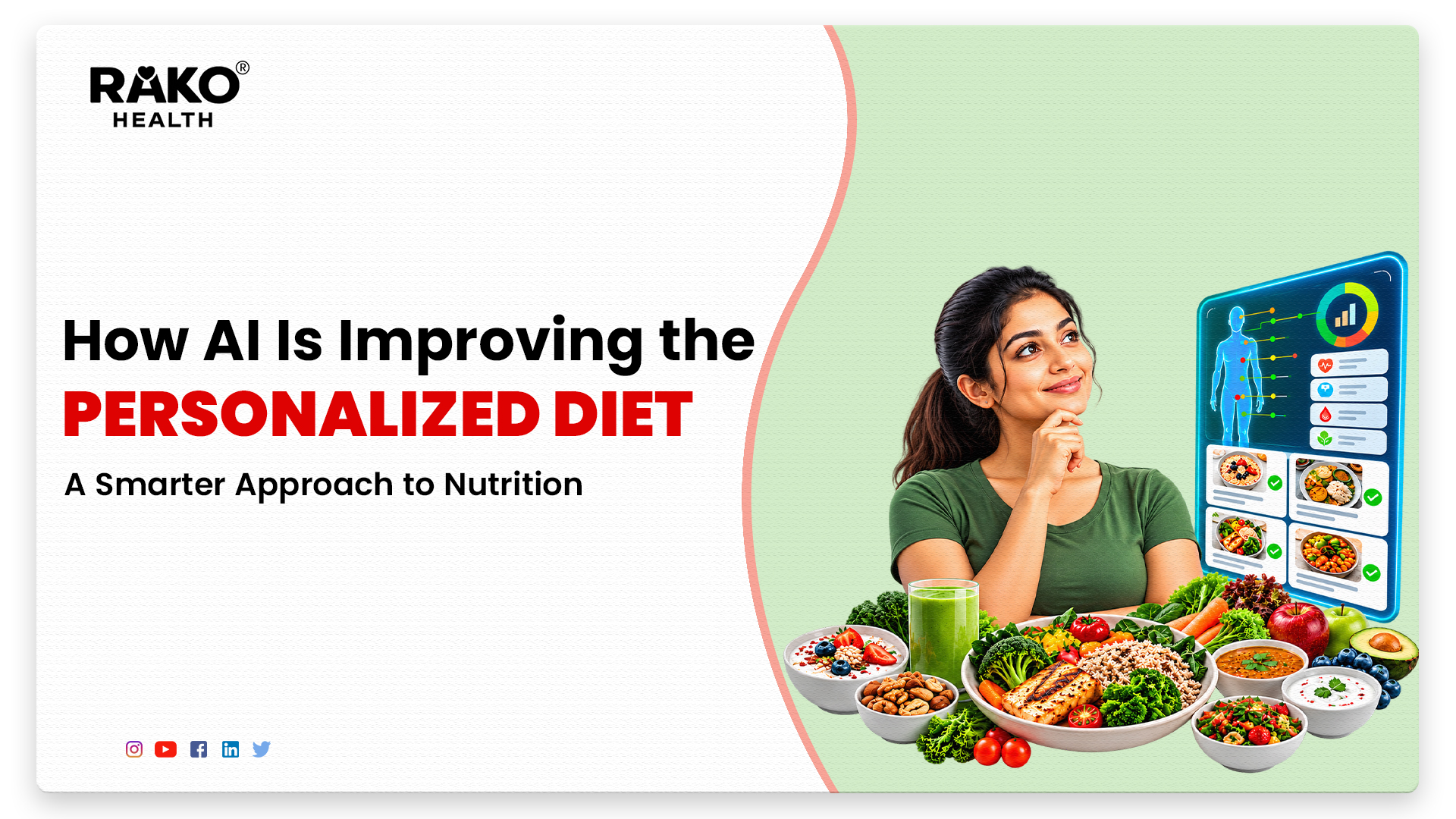
How AI Is Improving the Personalized Diet: A Smarter Approach to Nutrition
Rice Fortification Update 2026: What the Temporary Discontinuation Means for Nutrition and Public Health
Gut Microbiome Health: How Cereals and Pseudocereals May Improve Gut Health
How AI Is Improving the Personalized Diet: A Smarter Approach to Nutrition
Rice Fortification Update 2026: What the Temporary Discontinuation Means for Nutrition and Public Health
Gut Microbiome Health: How Cereals and Pseudocereals May Improve Gut Health
How AI Is Improving the Personalized Diet: A Smarter Approach to Nutrition
Rice Fortification Update 2026: What the Temporary Discontinuation Means for Nutrition and Public Health
Gut Microbiome Health: How Cereals and Pseudocereals May Improve Gut Health
How AI Is Improving the Personalized Diet: A Smarter Approach to Nutrition