
How AI Is Improving the Personalized Diet: A Smarter Approach to Nutrition


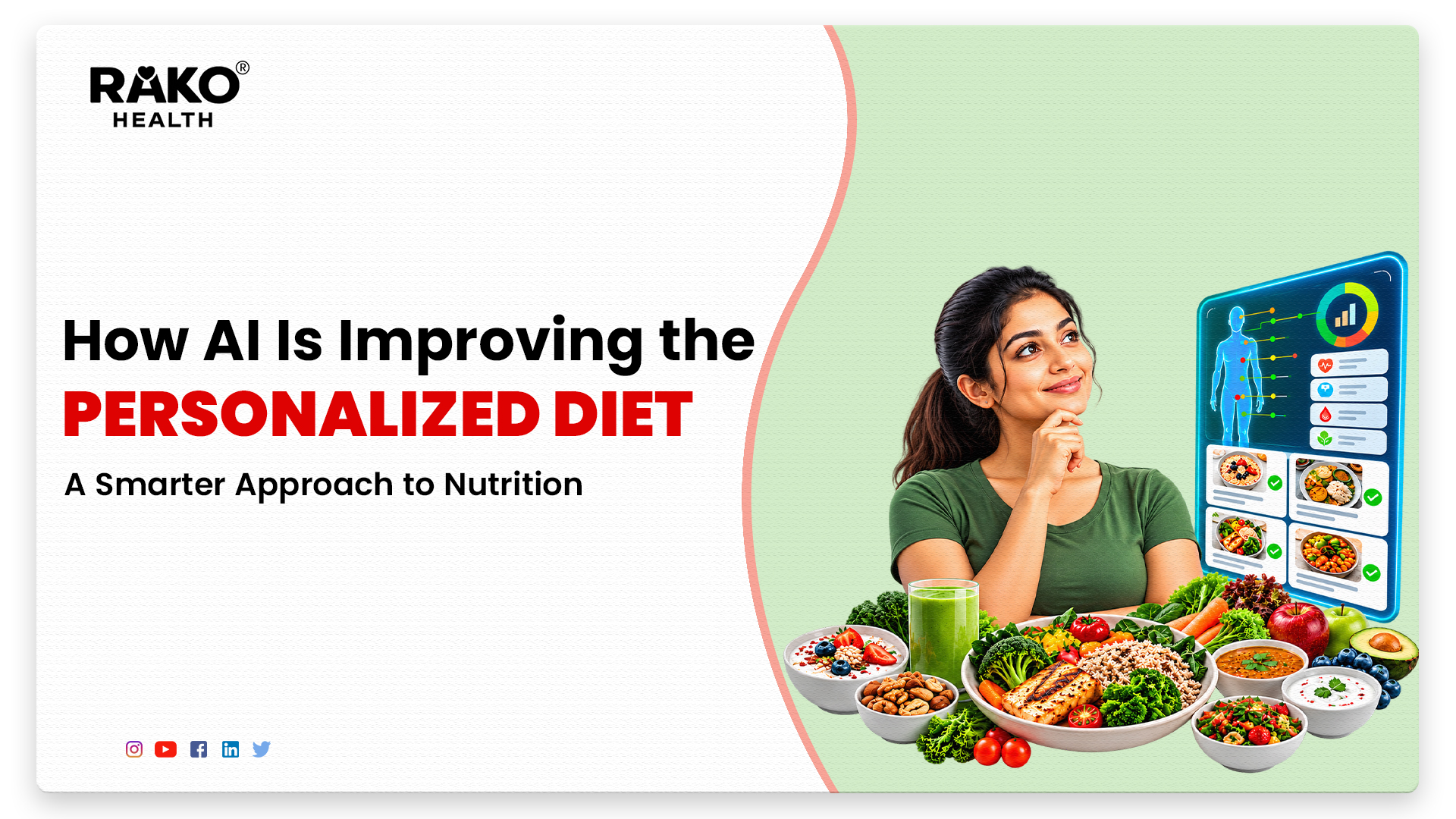
How AI improves the personalized diet is changing nutrition by helping people make food choices based on their individual needs, lifestyle, health goals, and eating habits. Instead of following the same diet plan as everyone else, people can explore nutrition strategies that better match their bodies and routines.
At RAKO Health, we believe personalized nutrition should combine modern technology with professional dietary guidance. With expert support from professionals such as Dr. Meram Chalamaiah, individuals can explore practical ways to build healthier eating habits and work towards sustainable wellness goals.
What Is AI-Powered Personalized Nutrition?
AI-powered personalized nutrition uses artificial intelligence to analyse health information, dietary preferences, activity levels, and lifestyle patterns. It then helps identify food choices and nutrition strategies suited to an individual's needs.
Traditional diet plans often provide general recommendations. However, AI can help make those recommendations more relevant by considering factors such as:
- Age, weight, and activity levels
- Food preferences and cultural eating habits
- Dietary restrictions and nutritional requirements
- Sleep patterns and daily routines
- Personal goals, including weight management
- Available health and metabolic information
As a result, personalized nutrition can make healthy eating more practical, flexible, and sustainable.
How AI Is Improving the Personalized Diet in Everyday Life
AI supports several stages of nutrition planning, from understanding eating habits to tracking progress. Here are five important applications.
1. Personalised Meal Planning
AI-powered tools can suggest meals based on dietary preferences, nutritional needs, and daily schedules. For example, a vegetarian professional in Hyderabad may need quick, balanced meals that fit a busy workday.
Similarly, someone who prefers traditional Indian food can explore meal plans featuring dal, vegetables, whole grains, curd, and suitable protein sources.
However, AI-generated suggestions work best when a qualified dietitian reviews them for nutritional adequacy and individual suitability.
2. Smarter Weight Management
AI can help people monitor meal patterns, physical activity, and progress towards their goals. Some applications also identify habits that may affect calorie intake or consistency.
For instance, someone who frequently skips breakfast may benefit from a more structured eating routine. Meanwhile, another person may need help balancing portion sizes and protein intake.
Nevertheless, weight management depends on several factors. AI cannot guarantee weight loss, and personalised advice should account for medical history, preferences, and long-term sustainability.
3. Understanding Individual Food Responses
People can respond differently to the same meal because of differences in metabolism, activity, sleep, medications, and other factors.
AI models can analyse available health and dietary data to identify patterns. When combined with appropriate measurements, they may help researchers understand individual responses to certain foods.
However, these predictions have limitations. Consumer applications cannot reliably diagnose food intolerances, nutritional deficiencies, or metabolic disorders without appropriate clinical assessment.
4. Improving Daily Nutrition Habits
Food-tracking applications can help users record meals, estimate nutrient intake, and notice recurring patterns. Some tools also provide reminders and progress reports.
Consequently, users may find it easier to recognise gaps in their eating routines. A dietitian can then help turn those observations into realistic dietary changes.
5. Supporting Ongoing Dietary Adjustments
Personalized nutrition is not a one-time activity. As schedules, goals, and health needs change, dietary recommendations may also require adjustment.
AI tools can organise ongoing information and highlight trends. However, a qualified professional should interpret these findings before making significant dietary changes.
AI-Based Personalized Nutrition for NRIs
For Non-Resident Indians (NRIs), maintaining familiar eating habits while living abroad can present unique challenges. Work schedules, food availability, time zones, and changing lifestyles may influence everyday nutrition.
AI-powered nutrition tools can help NRIs adapt traditional Indian meals to their current environment.
For example, an NRI living in the United States may have limited time to prepare elaborate meals. A personalized plan could suggest practical combinations using locally available vegetables, whole grains, lentils, eggs, or other preferred protein sources.
Similarly, NRIs in the UK, Canada, Australia, and the Middle East may need meal suggestions that fit local grocery options and working hours.
Useful features include:
- Meal suggestions based on available ingredients
- Vegetarian and non-vegetarian food preferences
- Adaptable Indian meal plans
- Flexible eating schedules
- Progress tracking across changing routines
At RAKO Health, personalized dietary guidance can help individuals explore practical nutrition strategies that respect their cultural preferences and health goals.
The Role of Dr. Meram Chalamaiah in Personalised Nutrition
Technology can make nutrition information easier to organise, but professional expertise remains essential. A qualified nutrition professional can assess whether recommendations suit an individual's nutritional needs, medical history, and lifestyle.
Dr. Meram Chalamaiah represents the professional expertise highlighted in this article. Any specific credentials, clinical experience, or research contributions should be verified before publication.
When choosing a nutrition professional, look for appropriate qualifications, transparent treatment approaches, individualised assessments, and evidence-based recommendations.
Why Choose RAKO Health for Personalised Diet Guidance?
RAKO Health focuses on helping individuals explore practical approaches to nutrition and healthier living. By combining personalised guidance with appropriate digital tools, nutrition planning can become easier to understand and follow.
People seeking dietary support may benefit from:
- Individualised nutrition recommendations
- Practical meal-planning strategies
- Support for sustainable weight management
- Guidance that considers food preferences and routines
- Progress reviews and adjustments when appropriate
AI should support professional care rather than replace it. Moreover, users should understand how their health information is collected, stored, and used.
If you are looking for professional dietary support, explore RAKO Health's services for the best dietician in Hyderabad or learn more about finding the best dietician for weight loss.
How to Get Started With AI-Powered Nutrition
Follow these steps to make personalised nutrition more useful:
- Define your goal: Identify whether you want better eating habits, weight management, or support with a specific nutritional concern.
- Record your routine: Note your meals, preferences, activity levels, and usual schedule.
- Choose reliable tools: Use applications that explain their limitations and protect your personal information.
- Consult a qualified dietitian: Review AI-generated suggestions before making major dietary changes.
- Track your progress: Evaluate your habits regularly and adjust your plan with professional guidance.
For reliable background information, visit the National Institutes of Health Office of Dietary Supplements, which provides evidence-based information about nutrients and dietary supplements.
Frequently Asked Questions
1. How is AI improving personalised diet planning?
AI analyses available dietary, lifestyle, and health information to suggest meals and identify eating patterns. A qualified professional should review recommendations for accuracy and suitability.
2. Can AI create a diet plan for weight loss?
Yes, AI tools can suggest meal structures and help track progress. However, safe weight management requires an appropriate calorie balance, adequate nutrition, and individualised guidance.
3. Is AI-based nutrition useful for NRIs?
Yes. AI tools can help NRIs adapt familiar Indian meals to local ingredients, different work schedules, and changing food availability.
4. Can AI replace a dietitian?
No. AI can support meal planning and habit tracking, but it cannot fully replace professional assessment, clinical judgement, or individualised healthcare.
5. How can I find a dietitian in Hyderabad?
Look for qualified professionals who assess your needs, explain their recommendations, and offer realistic follow-up support. You can also explore RAKO Health's services to understand the available options.
6. Is AI nutrition advice always accurate?
No. Results depend on the quality of the information provided and the capabilities of the tool. AI may produce inaccurate recommendations, so professional review remains important.
Explore the Future of Personalised Nutrition
AI is creating new possibilities for making dietary guidance more individualised and accessible. Still, the most useful approach combines technology, scientific evidence, cultural preferences, and professional expertise.
Whether you live in Hyderabad or abroad, RAKO Health can be a starting point for exploring nutrition support that fits your lifestyle. Discover more about personalised meal planning, sustainable weight management, and choosing the right dietitian for your needs.
Related Blogs

How to Choose the Best Diet for Weight Loss According to Nutrition Experts
Rice Fortification Update 2026: What the Temporary Discontinuation Means for Nutrition and Public Health
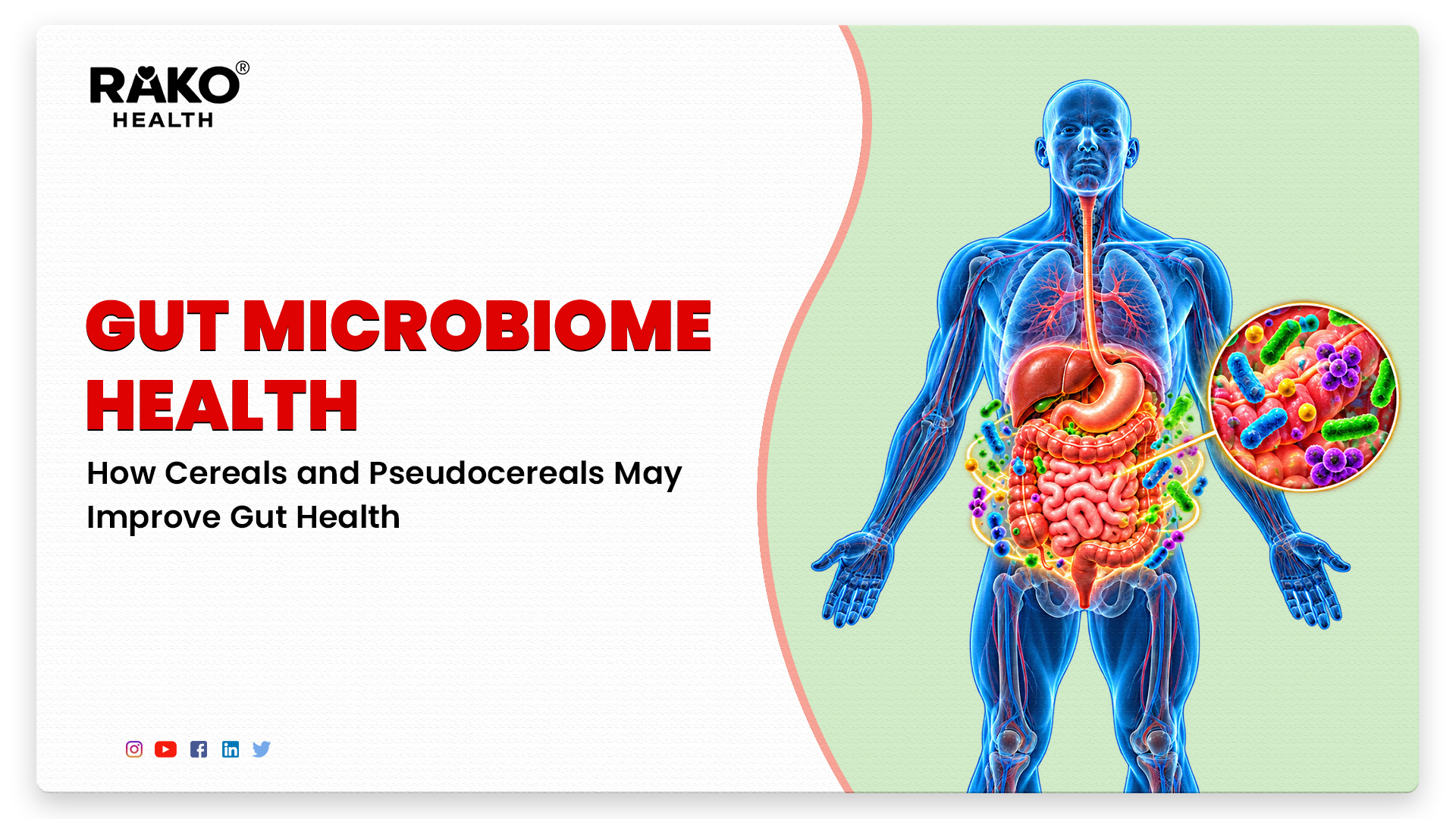
Gut Microbiome Health: How Cereals and Pseudocereals May Improve Gut Health
How to Choose the Best Diet for Weight Loss According to Nutrition Experts
Rice Fortification Update 2026: What the Temporary Discontinuation Means for Nutrition and Public Health
Gut Microbiome Health: How Cereals and Pseudocereals May Improve Gut Health
How to Choose the Best Diet for Weight Loss According to Nutrition Experts
Rice Fortification Update 2026: What the Temporary Discontinuation Means for Nutrition and Public Health
Gut Microbiome Health: How Cereals and Pseudocereals May Improve Gut Health
How to Choose the Best Diet for Weight Loss According to Nutrition Experts
Rice Fortification Update 2026: What the Temporary Discontinuation Means for Nutrition and Public Health