
Insulin Resistance and Weight Loss: Why Losing Weight Can Be Difficult


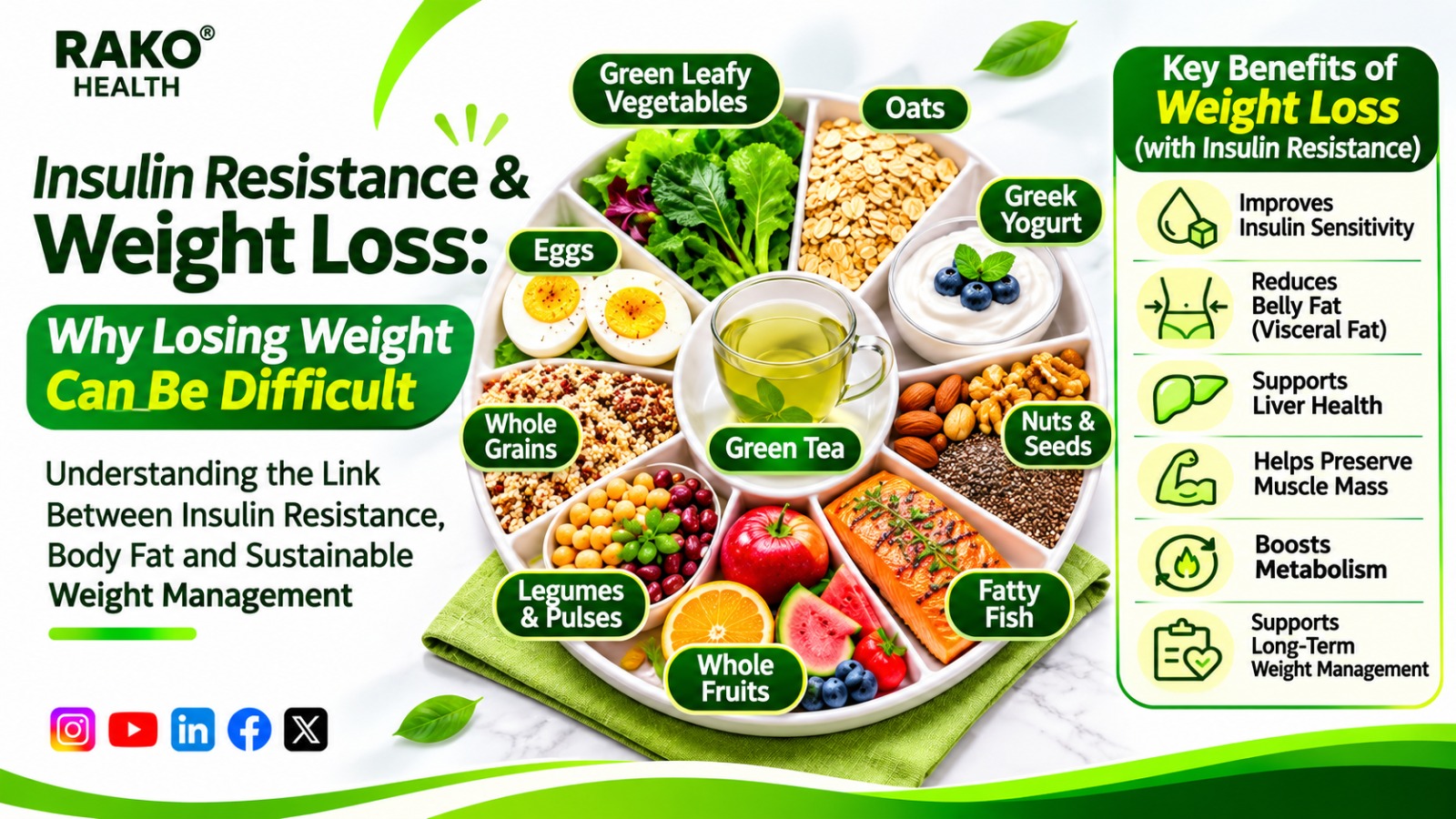
Insulin Resistance and Weight Loss are closely connected through the body's ability to regulate blood sugar, appetite, and stored energy. If you've tried dieting, eating smaller portions, or fasting without lasting results, metabolic health could be one factor worth investigating. Understanding How to Reverse Insulin Resistance can help you make more informed decisions about your weight management journey.
Weight changes involve several biological processes. Hormonal activity, genetics, sleep quality, muscle mass, and daily habits all influence how your body manages weight. Insulin resistance is one metabolic condition commonly associated with excess abdominal fat.
How Does Insulin Influence Fat Storage?
Insulin helps your body regulate blood glucose and manage energy after meals. When you eat, this hormone allows cells to use glucose and helps store additional energy.
Insulin also temporarily reduces the breakdown of stored fat. Between meals, insulin levels usually fall, allowing the body to access stored energy.
These processes are completely normal. However, when body tissues respond poorly to insulin, glucose regulation and fat metabolism can become less efficient.
Importantly, insulin is not an enemy of weight loss. Its role needs to be understood within the wider picture of metabolic health.
How Does Excess Fat Increase Insulin Resistance?
Body fat performs several functions beyond storing energy. Fat tissue also releases chemical signals that influence metabolism and inflammation.
When fat cells become excessively enlarged, they may release more fatty acids and inflammatory substances. Some fatty acids can accumulate inside the liver and skeletal muscles, creating a condition called ectopic fat deposition.
Additionally, lipid compounds such as ceramides and diacylglycerols may disrupt insulin signalling.
Consequently, muscles may absorb glucose less effectively, while the liver may continue producing glucose despite insulin activity.
Can Insulin Resistance Make Losing Weight Harder?
Insulin resistance does not prevent weight loss. However, associated metabolic and lifestyle factors can make consistent progress challenging.
For example, appetite changes, insufficient sleep, limited physical activity, certain medications, and hormonal conditions may influence weight management.
Therefore, successful weight management should address more than calorie intake. A personalized Weight Loss Program can help align nutritional choices with individual health requirements.
Why Is Belly Fat Linked to Insulin Resistance?
Not all body fat behaves in the same way. Visceral fat, which collects around internal organs, has a particularly important relationship with metabolic health.
Excess visceral fat can increase inflammatory activity, disturb fatty acid metabolism, and contribute to fat accumulation inside the liver.
This creates a two-way relationship: excess abdominal fat can worsen insulin resistance, while metabolic disturbances may complicate long-term weight management.
Although reducing abdominal fat can improve metabolic health, spot reduction through specific foods or exercises is not scientifically established.
Why Should You Preserve Muscle During Weight Loss?
Muscles are important for maintaining healthy glucose metabolism. They use glucose for energy through insulin-dependent and partly insulin-independent pathways.
One important mechanism involves GLUT4 transporters, which help move glucose into muscle cells.
Therefore, maintaining muscle mass is valuable during weight reduction. Extremely restrictive diets may contribute to muscle loss and nutritional deficiencies.
Instead, combine adequate protein intake with suitable resistance exercises to support muscle preservation and physical strength.
Can Weight Reduction Improve Insulin Sensitivity?
Yes. Losing excess body fat can improve insulin sensitivity, particularly when visceral fat and liver fat decrease.
For many individuals overweight or obesity, losing approximately 5–7% of initial body weight may produce meaningful metabolic improvements.
For instance, someone weighing 100 kg may benefit from losing around 5–7 kg.
However, individual outcomes vary according to medical history, genetics, and metabolic health. Gradual, sustainable progress is generally more useful than pursuing rapid weight reduction.
How to Lose Weight With Insulin Resistance
A practical approach should support blood glucose regulation while maintaining adequate nutrition.
1. Choose Balanced Everyday Meals
Include vegetables, protein sources, appropriate carbohydrate portions, and unsaturated fats.
You do not need to eliminate rice, wheat, or other carbohydrates completely. A balanced Insulin Resistance Diet can incorporate familiar Indian meals.
2. Maintain a Manageable Calorie Deficit
Weight reduction generally requires consuming less energy than your body expends over time.
Choose satisfying meals and appropriate portions instead of depending on extreme calorie restrictions.
3. Limit Highly Processed Foods
Frequent consumption of sugary beverages, packaged snacks, refined carbohydrates, and energy-dense foods can make dietary management harder.
Choose nutritious alternatives that fit your lifestyle.
4. Improve Sleep and Physical Activity
Consistent sleep supports appetite regulation and glucose metabolism. Meanwhile, walking, strength training, and other suitable activities can improve insulin sensitivity.
5. Consider Underlying Hormonal Conditions
Conditions such as PCOS and sleep apnoea may influence body weight and metabolic health.
Women experiencing irregular periods or related hormonal symptoms can explore PCOD/PCOS and discuss appropriate evaluation with healthcare professionals.
Professional nutritional guidance from Dr. Meram Chalamaiah can also help individuals understand their dietary requirements.
6. Monitor Progress Beyond the Weighing Scale
Body weight alone cannot explain every improvement in metabolic health.
Consider monitoring these indicators with professional guidance:
- Waist circumference and body composition.
- Fasting glucose and HbA1c.
- Triglycerides and other lipid markers.
- Blood pressure.
- Liver health markers.
- Physical strength and daily energy levels.
Individuals looking for personalised support can explore the Best Dietician in Hyderabad or find a qualified Nutritionist Near Me.
Frequently Asked Questions
1. Can insulin resistance stop weight loss completely?
No. Weight loss remains possible. However, associated hormonal, metabolic, and lifestyle factors may make progress more challenging.
2. Does insulin resistance contribute to belly fat?
Insulin resistance is associated with visceral fat accumulation. However, genetics, energy balance, and hormonal factors also influence abdominal fat.
3. Can I eat rice while trying to lose weight?
Yes. You can include rice in appropriate portions alongside vegetables and protein-rich foods.
4. Does losing weight reverse insulin resistance?
Weight reduction can improve insulin sensitivity. However, the degree of improvement varies between individuals.
5. Can insulin sensitivity improve without major weight loss?
Yes. Better food choices and regular physical activity may improve insulin sensitivity even before significant weight changes occur.
Personalised Support Beyond the Weighing Scale
At RAKO Health, we believe metabolic health deserves attention alongside weight management.
Our scientist-led nutrition approach considers individual medical history, blood test results, body composition, and nutritional requirements.
Rather than promoting restrictive eating plans, we focus on practical food choices, familiar home-cooked meals, and sustainable lifestyle improvements.
Whether you live in India or abroad, understanding your metabolism can help you make better decisions about your health.
Explore personalised nutrition with RAKO Health and take a more informed approach to long-term weight management.
Related Blogs
Rice and Roti for Weight Loss: Can You Eat Both and Manage Your Weight?
Diet Plan for Busy Professionals: A Practical Guide to Healthy Weight Loss

How Can I Lose 10 kg in 30 Days? A Practical Guide from RAKO Health
Rice and Roti for Weight Loss: Can You Eat Both and Manage Your Weight?
Diet Plan for Busy Professionals: A Practical Guide to Healthy Weight Loss
How Can I Lose 10 kg in 30 Days? A Practical Guide from RAKO Health
Rice and Roti for Weight Loss: Can You Eat Both and Manage Your Weight?
Diet Plan for Busy Professionals: A Practical Guide to Healthy Weight Loss
How Can I Lose 10 kg in 30 Days? A Practical Guide from RAKO Health
Rice and Roti for Weight Loss: Can You Eat Both and Manage Your Weight?
Diet Plan for Busy Professionals: A Practical Guide to Healthy Weight Loss