
What Is Insulin Resistance? Understanding Your Metabolic Health


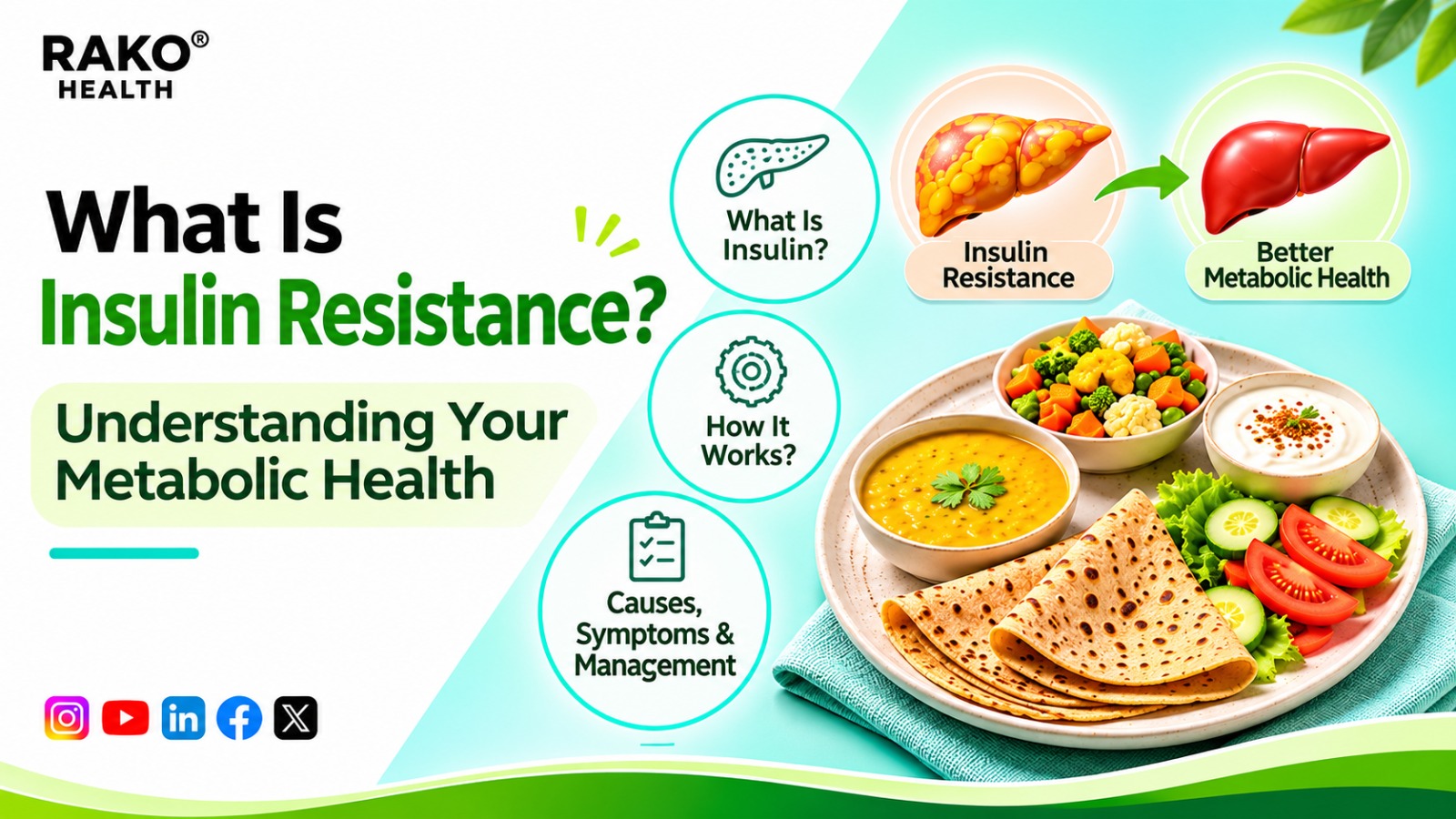
What Is Insulin Resistance? It is a metabolic condition where the body's cells respond poorly to insulin. This can happen even when blood sugar levels appear normal. Understanding this condition early helps identify metabolic risks and supports better long-term health.
Insulin resistance often develops silently before prediabetes or type 2 diabetes becomes apparent. It is associated with obesity, fatty liver disease, PCOS, and other metabolic disorders. Therefore, understanding its causes, symptoms, and management is important.
What Is Insulin and How Does It Work?
Insulin is a hormone produced by specialised beta cells in the pancreas. After eating carbohydrates, your digestive system breaks them into glucose. Glucose then enters the bloodstream and provides energy.
Insulin helps cells absorb, use, or store glucose. Additionally, it regulates fat metabolism, protein synthesis, and energy storage.
Without effective insulin action, the body struggles to maintain healthy glucose metabolism.
What Is Insulin Resistance and What Happens Inside Your Body?
Insulin resistance occurs when muscle, liver, and fat cells become less responsive to insulin.
Consequently, the pancreas produces more insulin to maintain normal blood glucose levels. This increased insulin production is called hyperinsulinemia.
Initially, blood sugar may remain normal. However, if pancreatic beta cells cannot compensate adequately, glucose levels may increase.
How Insulin Resistance Affects Different Organs
1. Skeletal muscles
Muscles use significant amounts of glucose, especially after meals. Normally, insulin activates pathways that move GLUT4 glucose transporters towards muscle cell surfaces.
However, impaired insulin signalling reduces glucose uptake. Consequently, glucose remains in the bloodstream longer.
2. Liver
The liver stores glucose after meals and releases it between meals. Insulin normally signals the liver to reduce glucose production.
However, hepatic insulin resistance weakens this signal. As a result, the liver may continue releasing excess glucose, increasing fasting blood sugar.
3. Adipose tissue
Adipose tissue, commonly called body fat, actively regulates metabolism. Insulin normally controls fatty acid release from fat cells.
When these cells become insulin resistant, excess fatty acids may enter the bloodstream. Consequently, fat accumulation in the liver and muscles can worsen metabolic dysfunction.
What Causes Insulin Resistance?
Insulin resistance develops through several interacting factors rather than one single cause.
Common contributing factors include:
- Excess abdominal and internal organ fat
- Genetic predisposition
- Physical inactivity
- Chronic energy surplus
- Poor sleep and irregular sleeping schedules
- Hormonal disorders
- Chronic low-grade inflammation
- Certain medications
Additionally, researchers investigate gut microbiota, oxidative stress, and changes in gene regulation.
These mechanisms can affect individuals differently.
Insulin Resistance vs Prediabetes vs Type 2 Diabetes
Although these conditions are related, they have different meanings.
| Condition | What it means |
| Insulin resistance | Cells respond less effectively to insulin. |
| Prediabetes | Blood glucose exceeds normal levels but remains below diabetes thresholds. |
| Type 2 diabetes | Blood glucose reaches established diagnostic thresholds. |
Importantly, someone can have insulin resistance without prediabetes or diabetes.
Type 2 diabetes also involves impaired insulin secretion from pancreatic beta cells.
Explore Prediabetes Reversal and Type 2 Diabetes Reversal to understand these metabolic conditions further.
Can You Have Insulin Resistance Without Being Overweight?
Yes. Insulin resistance can affect people with normal body weight.
Although excess body fat increases risk, some individuals accumulate disproportionate fat around internal organs.
Genetics, muscle mass, hormonal conditions, and lifestyle also influence insulin sensitivity.
This is particularly relevant for South Asians, including Indians and NRIs living in the USA, UK, Canada, and Australia. Metabolic risk can occur at lower BMI levels in South Asian populations.
Therefore, body weight alone cannot determine metabolic health.
Why Is Insulin Resistance a Health Concern?
Persistent insulin resistance is associated with several metabolic conditions, including:
- Prediabetes and type 2 diabetes
- Metabolic dysfunction-associated steatotic liver disease (fatty liver)
- Elevated triglycerides and abnormal cholesterol
- Cardiovascular disease
- Polycystic ovary syndrome (PCOS)
- Metabolic syndrome
However, these associations do not mean everyone with insulin resistance develops these conditions.
Early identification and appropriate lifestyle management can help reduce metabolic risks.
How Is Insulin Resistance Diagnosed?
There is no single universally accepted routine test for diagnosing insulin resistance.
The hyperinsulinemic-euglycemic clamp is the reference research method for measuring insulin sensitivity. However, it is complex and rarely used in routine healthcare.
Healthcare professionals may evaluate:
- Fasting blood glucose
- HbA1c
- Fasting insulin, when appropriate
- Lipid profile
- Waist circumference
- Medical history and clinical risk factors
HOMA-IR estimates insulin resistance using fasting glucose and insulin. However, interpretation requires clinical context because testing methods and population characteristics vary.
How to Reverse Insulin Resistance Naturally
Many individuals can improve insulin sensitivity through sustainable lifestyle changes.
Important approaches include:
- Follow a balanced, fibre-rich Insulin Resistance Diet.
- Maintain healthy body composition and muscle mass.
- Include regular walking and resistance exercises.
- Prioritise seven to nine hours of quality sleep.
- Monitor blood glucose and other metabolic markers.
- Seek medical guidance when medication is necessary.
For a detailed action plan, read How to Reverse Insulin Resistance Naturally: A Science-Based Guide.
You can also explore Weight Loss strategies that support better metabolic health.
Frequently Asked Questions
1. Is insulin resistance a disease?
Insulin resistance is a metabolic abnormality associated with several chronic diseases. However, it is not equivalent to diabetes.
2. Does normal blood sugar rule out insulin resistance?
No. The pancreas may initially produce additional insulin to maintain normal blood glucose levels.
3. Is insulin resistance hereditary?
Genetics can increase susceptibility. However, environmental and lifestyle factors also influence insulin sensitivity.
4. Does eating sugar directly cause insulin resistance?
Excessive sugar consumption can contribute to metabolic dysfunction. However, insulin resistance develops through multiple interacting factors.
5. Is insulin resistance permanent?
Not necessarily. Many individuals can improve insulin sensitivity through appropriate nutrition, physical activity, sleep, and medical care.
Understand Your Metabolic Health With RAKO Health
At RAKO Health, we believe understanding metabolism is an essential step towards better health.
Our scientist-led, personalised nutrition approach considers medical history, blood markers, dietary habits, and individual nutritional requirements.
Whether you live in India or abroad, our goal is to make healthier eating practical through sustainable food choices.
If you are looking for the Best Dietician for Diabetes, explore personalized nutrition guidance from RAKO Health and learn more about Dr. Meram Chalamaiah.
Take an informed step towards better metabolic health with RAKO Health
Related Blogs
Average Blood Sugar Level Chart for Adults, Seniors, and Children: A Complete Guide
Insulin Resistance Symptoms: 10 Warning Signs You Should Never Ignore
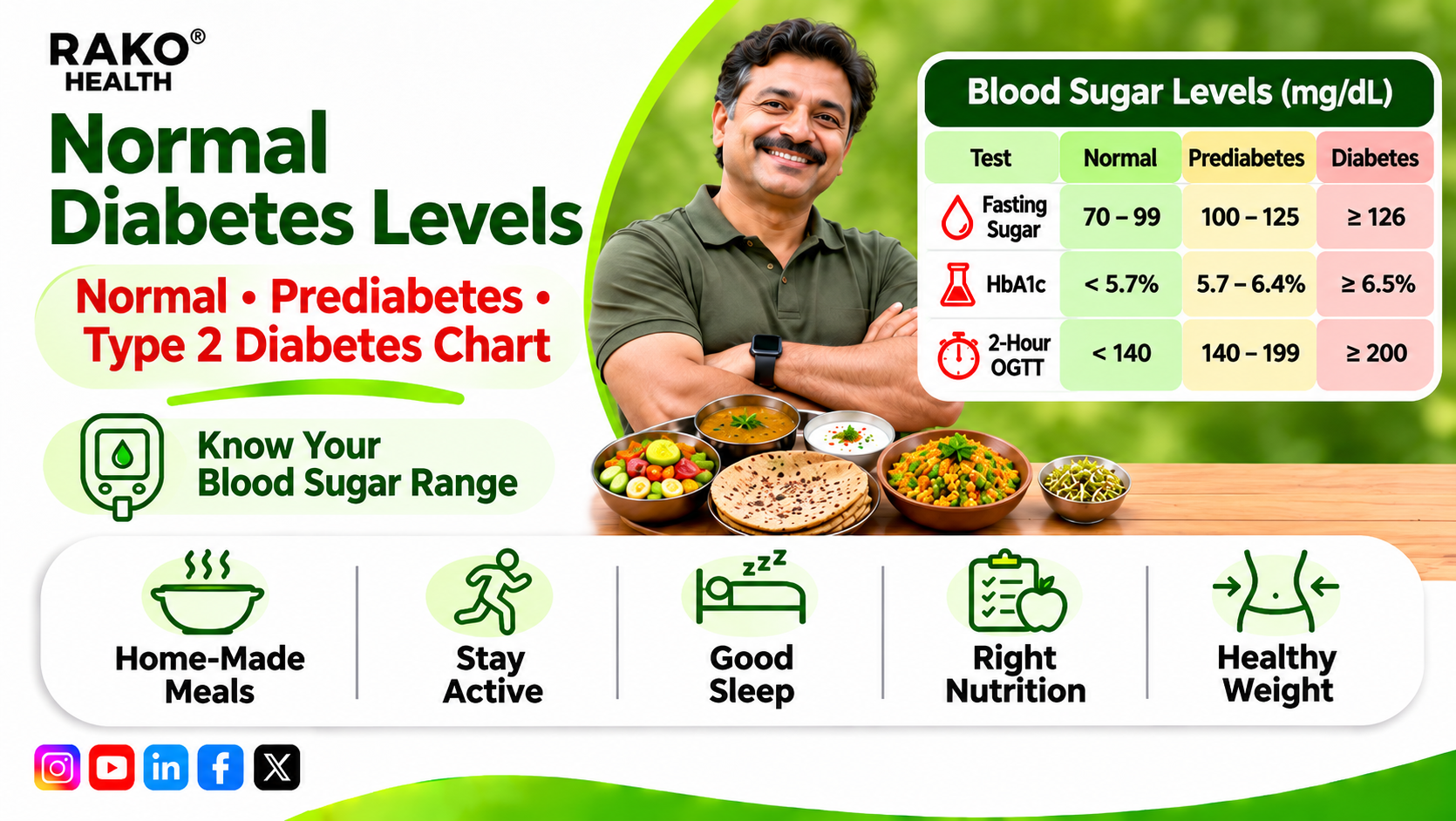
Normal Diabetes Levels Chart for Prediabetes and Type 2 Diabetes
Average Blood Sugar Level Chart for Adults, Seniors, and Children: A Complete Guide
Insulin Resistance Symptoms: 10 Warning Signs You Should Never Ignore
Normal Diabetes Levels Chart for Prediabetes and Type 2 Diabetes
Average Blood Sugar Level Chart for Adults, Seniors, and Children: A Complete Guide
Insulin Resistance Symptoms: 10 Warning Signs You Should Never Ignore
Normal Diabetes Levels Chart for Prediabetes and Type 2 Diabetes
Average Blood Sugar Level Chart for Adults, Seniors, and Children: A Complete Guide
Insulin Resistance Symptoms: 10 Warning Signs You Should Never Ignore