
How to Reverse Insulin Resistance Naturally: A Science-Based Guide


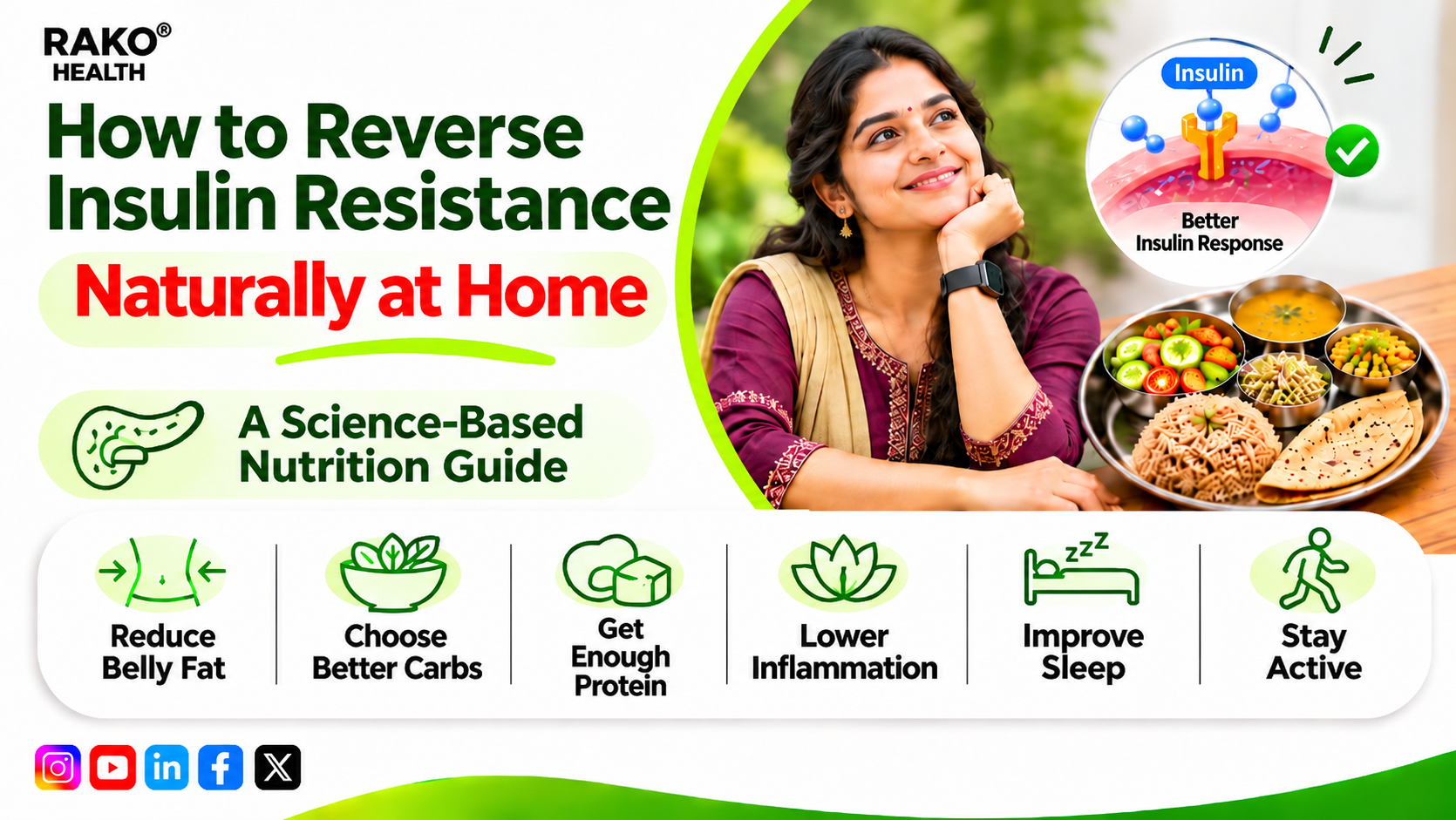
How to Reverse Insulin Resistance is an important question for people struggling with abdominal fat, elevated blood sugar, or unexplained weight gain. Insulin resistance can develop silently for years before blood sugar levels become abnormal. Understanding its causes and making sustainable lifestyle changes can improve metabolic health. For personalised support, consult the Best Dietician for Diabetes at RAKO Health.
Insulin resistance is associated with prediabetes, type 2 diabetes, fatty liver disease, obesity, and PCOS. Fortunately, appropriate nutrition and lifestyle interventions can significantly improve insulin sensitivity.
What Does Reversing Insulin Resistance Mean?
Insulin is a hormone produced by the pancreas. It helps muscle, liver, and fat cells absorb and use glucose.
However, when these cells respond poorly, the pancreas produces more insulin. This condition is called insulin resistance.
Improving insulin sensitivity means helping the body respond more effectively to insulin. Although improvement is possible, maintaining metabolic health requires consistent habits and medical monitoring.
7 Science-Based Ways to Reverse Insulin Resistance Naturally
1. Reduce Excess Abdominal Fat
Excess fat around internal organs, particularly the liver, contributes to insulin resistance. This happens partly because accumulated fat interferes with normal insulin signalling.
For people with overweight or obesity, losing 5–7% of initial body weight can provide meaningful metabolic benefits.
Therefore, focus on sustainable fat loss while preserving muscle mass.
2. Choose the Best Foods for Insulin Resistance
Carbohydrates are not inherently unhealthy. However, their quality, quantity, and combination with other nutrients influence blood glucose.
Prioritise:
- Whole grains and appropriately portioned rice
- Lentils, chickpeas, and other pulses
- Green leafy vegetables
- Whole fruits
- Fibre-rich vegetables
Additionally, combine carbohydrates with protein and fibre. For example, rice with dal, vegetable curry, and curd provides a more balanced meal than rice alone.
Explore Regular Blood Sugar – What Does the Latest Medical Research Say to understand healthy glucose regulation.
3. Include Adequate Protein
Protein supports muscle maintenance, satiety, and healthy weight management. Since muscles play a major role in glucose uptake, preserving muscle mass supports metabolic health.
Include eggs, fish, chicken, paneer, tofu, curd, lentils, and beans.
However, personalise protein intake according to age, activity levels, and medical conditions, particularly kidney disease.
4. Follow an Anti-Inflammatory Eating Pattern
Chronic low-grade inflammation can interfere with insulin signalling. Certain inflammatory molecules may contribute to metabolic dysfunction.
Therefore, include:
- Vegetables and whole fruits
- Nuts and seeds
- Legumes
- Sources of unsaturated fats
Remember, no individual food, spice, or supplement independently reverses insulin resistance. Your overall dietary pattern matters more.
5. Improve Sleep Quality
Poor sleep can negatively affect insulin sensitivity, appetite, and glucose regulation.
Most adults should aim for seven to nine hours of quality sleep. Maintain consistent sleeping hours and avoid excessive caffeine late in the day.
Additionally, seek medical evaluation for persistent snoring or daytime sleepiness.
6. Stay Physically Active
Muscle contraction stimulates glucose uptake through pathways partly independent of insulin. Consequently, regular exercise improves glucose utilisation and insulin sensitivity.
Consider these activities:
- Walking regularly
- Strength and resistance exercises
- Household activities
- Reducing prolonged sitting
Choose activities that suit your physical abilities and medical circumstances.
7. Monitor Your Blood Sugar and Metabolic Health
Weight alone cannot determine whether insulin resistance is improving.
Depending on your medical history, your healthcare professional may recommend:
- Fasting blood glucose
- HbA1c
- Fasting insulin, when appropriate
- Lipid profile
- Waist circumference
- Liver health markers
- Blood pressure
HOMA-IR can estimate insulin resistance using fasting glucose and insulin. However, universally accepted diagnostic cutoffs do not exist.
For additional guidance, explore the Average Blood Sugar Level Chart for Adults, Seniors, and Children: A Complete Guide.
How Long Does It Take to Reverse Insulin Resistance?
Some metabolic improvements can begin within weeks of lifestyle changes. However, substantial improvements may require several months or longer.
Results depend on insulin resistance severity, pancreatic function, medications, body composition, and consistency.
Therefore, avoid expecting identical results for everyone.
Insulin Resistance Management for NRIs and Indians Abroad
Indians living in the USA, UK, Canada, Australia, and other countries may face challenges maintaining traditional eating habits.
However, healthy Indian meals remain practical with locally available ingredients.
Consider these simple choices:
- Replace frequent refined carbohydrates with whole grains.
- Include dal, beans, vegetables, and protein sources.
- Choose whole fruits instead of sugary beverages.
- Maintain regular walking and exercise routines.
- Monitor blood glucose through appropriate medical check-ups.
Moreover, NRIs can benefit from personalized nutrition guidance that considers Indian food preferences, international lifestyles, and locally available ingredients.
How RAKO Health Supports Better Insulin Sensitivity
RAKO Health follows a scientist-led, personalized nutrition approach. Rather than recommending restrictive diets, our approach considers individual metabolic requirements.
Our nutrition guidance considers:
- Blood markers and medical history
- Food preferences and nutritional requirements
- Lifestyle and physical activity
- Sustainable weight management goals
Whether you live in India or abroad, RAKO Health aims to make healthier eating practical through everyday home-cooked food.
If you are looking for the Best Dietician for Diabetes, explore personalized nutrition guidance from RAKO Health and learn more about Dr. Meram Chalamaiah.
You can also explore our guidance on Type 2 Diabetes Reversal, Prediabetes, and Weight Loss.
Frequently Asked Questions
1. Can insulin resistance be reversed naturally?
Yes. Many people can significantly improve insulin sensitivity through balanced nutrition, appropriate weight management, regular exercise, and quality sleep.
2. Can I reverse insulin resistance without losing weight?
Yes. Improving dietary quality and increasing physical activity can improve insulin sensitivity without substantial weight loss.
3. Should I stop eating rice if I have insulin resistance?
Not necessarily. Portion size, meal composition, and individual glucose responses matter more than completely eliminating rice.
4. Does intermittent fasting reverse insulin resistance?
Intermittent fasting may benefit some individuals. However, it is not essential or suitable for everyone. People taking glucose-lowering medications need medical guidance.
5. Can I stop diabetes medication after improving insulin resistance?
Never discontinue or change prescribed diabetes medication without consulting your treating physician.
6. Which dietician is best for managing diabetes?
The right dietician should consider your blood markers, medical history, food preferences, and lifestyle. RAKO Health offers personalized, science-based nutrition guidance to support better metabolic health.
Related Blogs
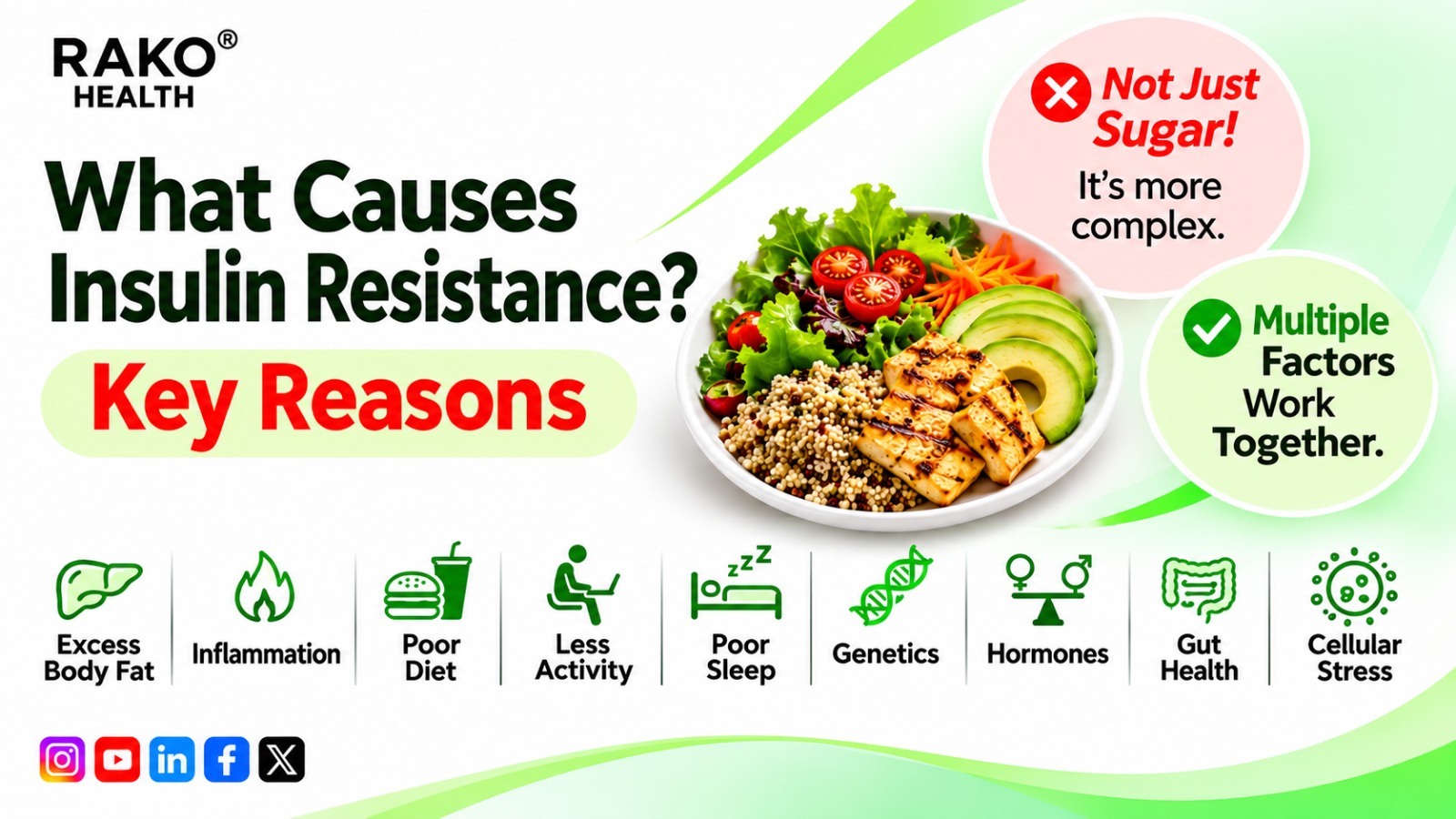
What Causes Insulin Resistance? Understanding the Root Causes
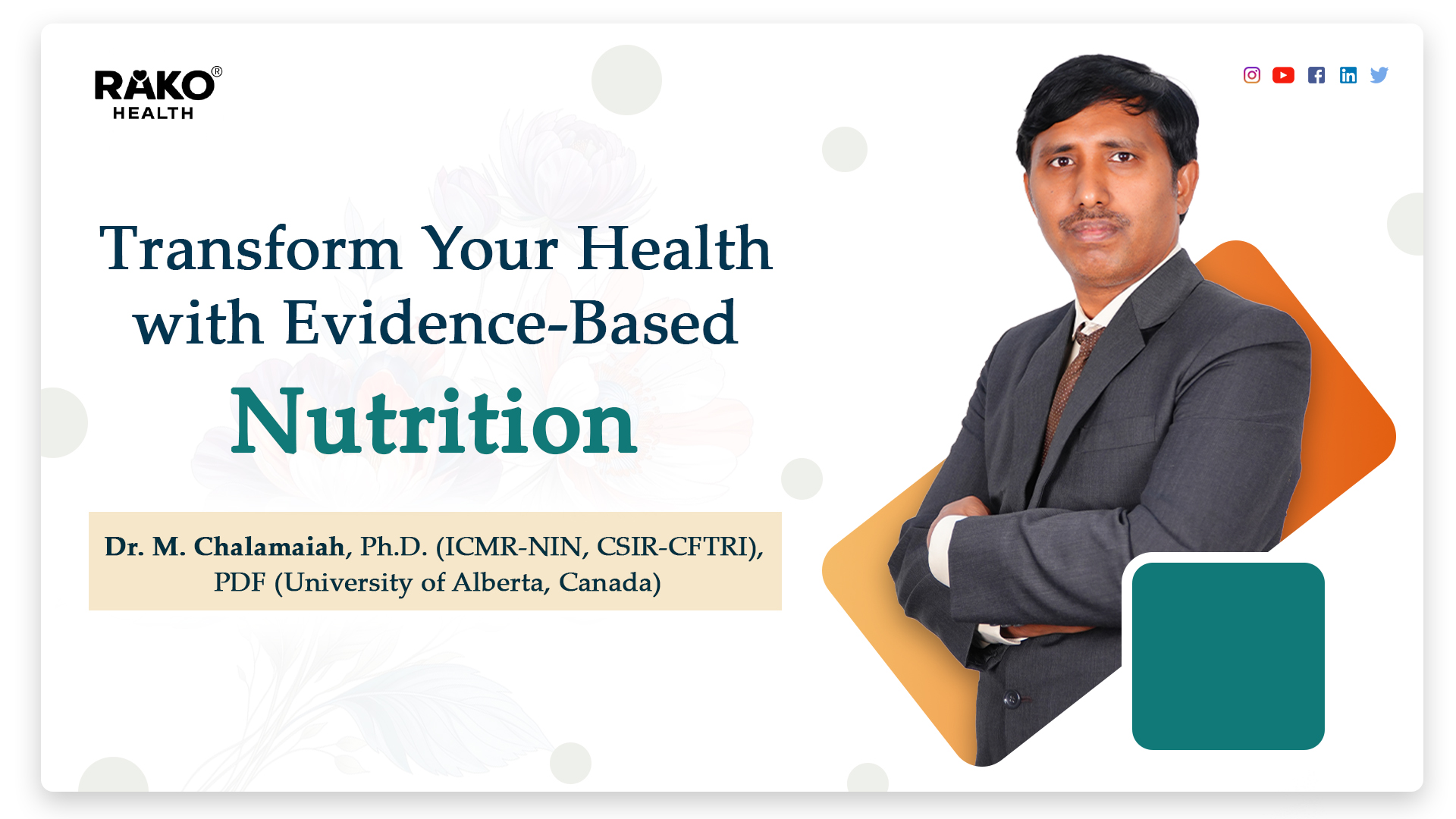
Best Dietician in Hyderabad - Dr. Meram Chalamaiah
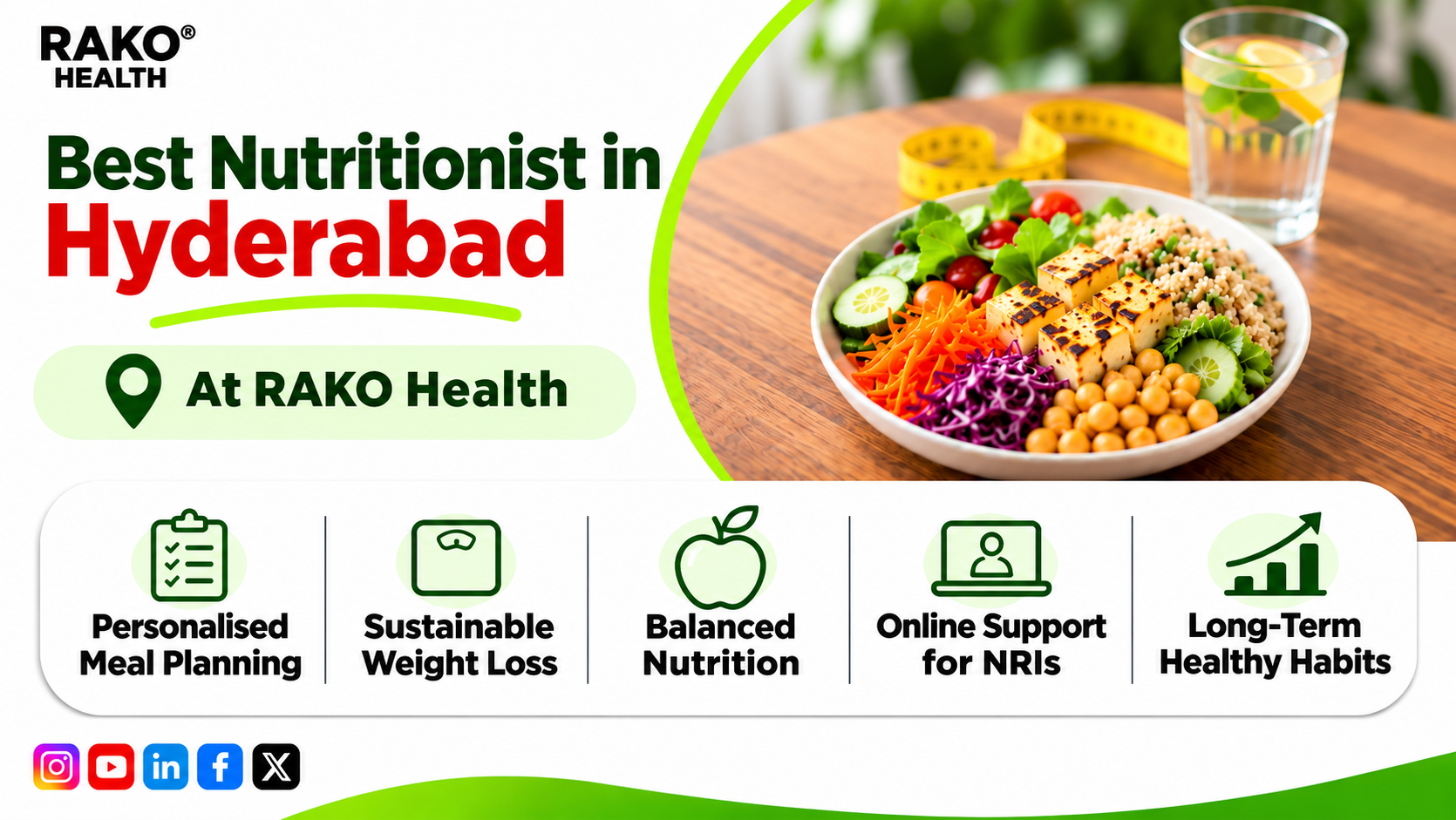
Best Nutritionist in Hyderabad – Dr. Meram Chalamaiah
What Causes Insulin Resistance? Understanding the Root Causes
Best Dietician in Hyderabad - Dr. Meram Chalamaiah
Best Nutritionist in Hyderabad – Dr. Meram Chalamaiah
What Causes Insulin Resistance? Understanding the Root Causes
Best Dietician in Hyderabad - Dr. Meram Chalamaiah
Best Nutritionist in Hyderabad – Dr. Meram Chalamaiah
What Causes Insulin Resistance? Understanding the Root Causes
Best Dietician in Hyderabad - Dr. Meram Chalamaiah