
Average Blood Sugar Level Chart for Adults, Seniors, and Children: A Complete Guide


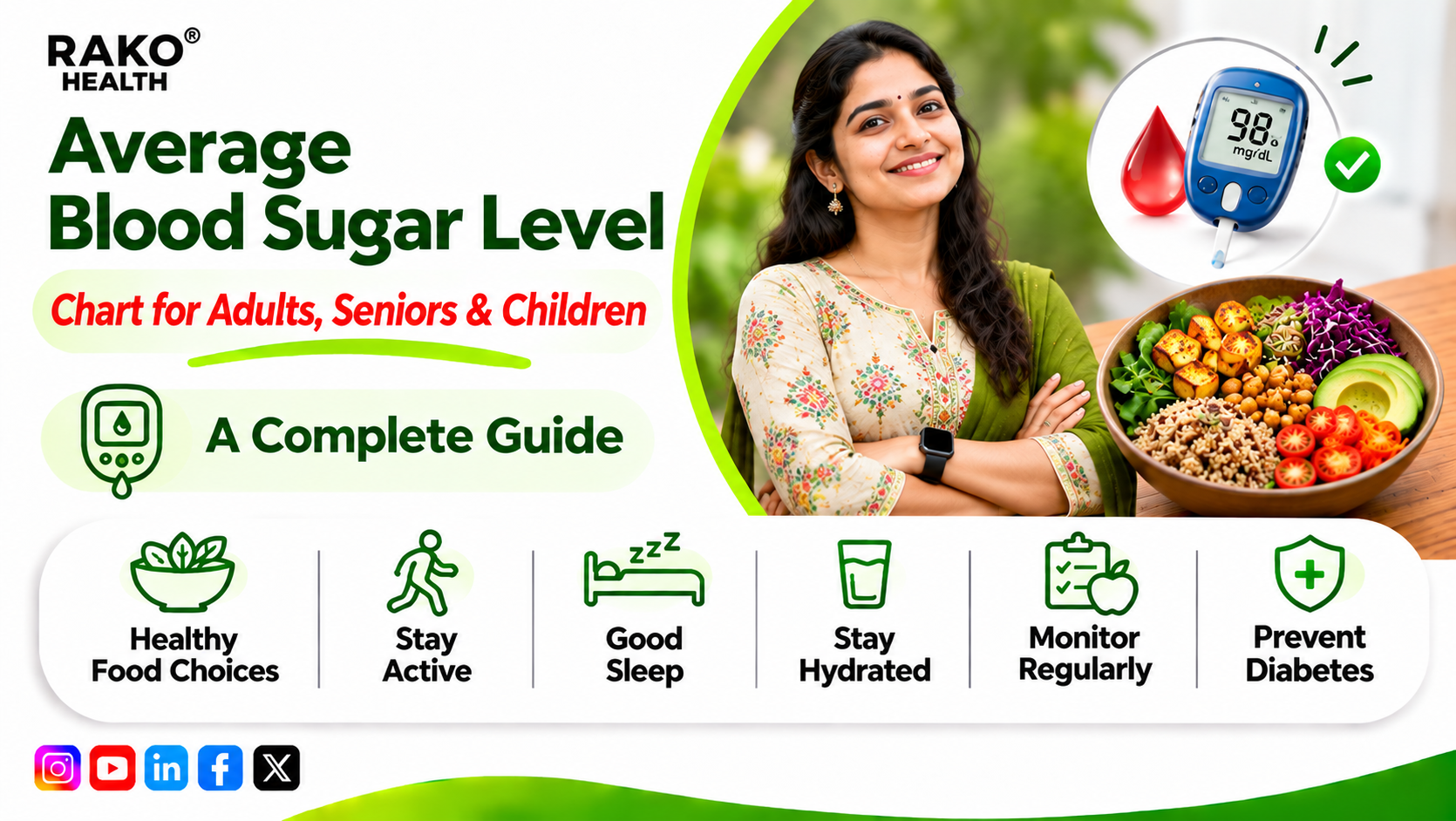
Average Blood Sugar Level is an important indicator of metabolic health and diabetes management. Understanding your glucose readings helps you make informed decisions about food, exercise, and daily habits. At RAKO Health, we help individuals understand their health goals through professional nutrition guidance and personalised care. If you need expert support, explore our Best Dietician for Diabetes services.
What Is an Average Blood Sugar Level?
Average Blood Sugar Level refers to the amount of glucose circulating in your bloodstream. Your body uses glucose as its primary energy source. However, consistently high or low readings may indicate a health concern.
Blood sugar levels vary throughout the day. They depend on meals, physical activity, sleep, stress, age, and medications.
Therefore, understanding normal glucose ranges helps adults, seniors, and children maintain better health.
Average Blood Sugar Level Chart by Age
The following chart provides commonly used reference ranges for people without diagnosed diabetes.
| Age group | Fasting blood sugar | 2-hour after-meal |
| Children | 70–99 mg/dL | Below 140 mg/dL |
| Adults | 70–99 mg/dL | Below 140 mg/dL |
| Seniors | 70–99 mg/dL | Below 140 mg/dL |
Important: These are general reference values, not separate diagnostic targets for every age group. Children, older adults, and people with diabetes may need individualised targets.
Blood Sugar Levels and HbA1c
HbA1c measures your average blood glucose over approximately three months.
| HbA1c result | Interpretation |
| Below 5.7% | Normal |
| 5.7%–6.4% | Prediabetes |
| 6.5% or above | Diabetes range |
A healthcare professional should confirm a diabetes diagnosis using appropriate testing.
For more information, read our guide on Normal Blood Glucose Levels.
Normal Blood Sugar Levels for Adults and Seniors
Adults generally benefit from maintaining healthy fasting glucose levels between 70 and 99 mg/dL.
However, seniors may require personalised glucose targets. Age-related changes, medications, and existing health conditions can affect glucose regulation.
For older adults, avoiding dangerously low blood sugar is especially important.
Watch for these possible warning signs:
- Frequent thirst and urination.
- Unexplained tiredness.
- Blurred vision.
- Increased hunger.
- Unintentional weight changes.
If these symptoms continue, consult a healthcare professional.
Average Blood Sugar Level in Children
Children need adequate glucose for growth, learning, and physical activity. However, diabetes can affect children differently from adults.
Parents should monitor symptoms such as:
- Excessive thirst.
- Frequent urination.
- Sudden weight loss.
- Increased hunger.
- Unusual tiredness.
If a child develops vomiting, abdominal pain, or rapid breathing alongside these symptoms, seek urgent medical attention.
Moreover, children with diabetes need age-appropriate nutrition and medical supervision.
How to Control Blood Sugar with Homemade Food
A balanced Indian diet can support healthy glucose management. Choose nutritious ingredients and maintain consistent meal timings.
Consider these practical food choices:
- Whole grains: Choose millets, oats, brown rice, and whole-wheat roti.
- Protein: Include dal, beans, eggs, paneer, and curd.
- Vegetables: Add spinach, beans, gourds, and other seasonal vegetables.
- Healthy fats: Use moderate amounts of nuts, seeds, and healthy cooking oils.
- Fruits: Prefer whole fruits over packaged juices.
- Fibre: Include salads and legumes to support digestion and glucose control.
Additionally, reduce sugary drinks, refined carbohydrates, and frequent fried snacks.
Explore Normal Sugar Levels – How to Control Them with Home-Made Food for more practical dietary ideas.
Why NRIs Should Monitor Their Blood Sugar
Non-Resident Indians (NRIs) often manage different food habits, work schedules, and lifestyle patterns.
For example, irregular meals, frequent travel, and limited physical activity can affect glucose management.
NRIs visiting India can also benefit from routine health assessments and personalised nutrition consultations.
RAKO Health supports individuals seeking practical dietary guidance while balancing Indian food preferences and international lifestyles.
Online nutrition consultations can also help NRIs maintain consistent dietary habits across countries.
How RAKO Health Supports Diabetes Management
Managing diabetes requires more than avoiding sugar. It involves sustainable nutrition, regular activity, and professional guidance.
RAKO Health promotes healthier lifestyle choices through personalized nutrition support.
Our services can help individuals:
- Understand their nutritional requirements.
- Build balanced Indian meal plans.
- Improve everyday eating habits.
- Develop sustainable weight-management routines.
- Monitor progress through appropriate professional guidance.
If weight management is also your goal, explore our Weight Loss Program Hyderabad – Lose Up to 20kg in 90 Days.
You can also learn more about Dr. Meram Chalamaiah and the professional guidance available through RAKO Health.
Tips to Maintain Healthy Blood Glucose Levels
Follow these simple habits consistently:
- Eat meals at regular intervals.
- Walk for 10–15 minutes after meals.
- Exercise regularly, as medically appropriate.
- Drink sufficient water.
- Sleep for seven to nine hours when possible.
- Monitor glucose according to medical advice.
- Attend routine health check-ups.
Most importantly, avoid changing diabetes medications without medical advice.
Frequently Asked Questions
1. What is the normal average blood sugar level for adults?
Normal fasting blood sugar generally ranges from 70–99 mg/dL. Two-hour post-meal glucose should generally remain below 140 mg/dL in people without diabetes.
2. What is a normal blood sugar level for seniors?
The general normal fasting range is 70–99 mg/dL. However, seniors with diabetes may need individualised treatment targets.
3. What is a normal blood sugar level for children?
For children without diabetes, fasting glucose generally ranges from 70–99 mg/dL. Individual assessment remains important.
4. What foods help control blood sugar naturally?
Whole grains, vegetables, legumes, nuts, and balanced protein sources support healthy eating. Portion control also matters.
5. Can homemade Indian food help manage diabetes?
Yes. Balanced homemade meals with vegetables, fibre, protein, and appropriate carbohydrate portions can support glucose management.
6. How often should I check my blood sugar?
Testing frequency depends on your diagnosis, medication, and healthcare professional's recommendations.
7. Can NRIs receive diabetes diet guidance from India?
Yes. NRIs can explore online nutrition consultations and personalised dietary guidance through healthcare providers offering remote services.
Final Thoughts
For reliable medical information, visit the American Diabetes Association.
If you want to understand your glucose readings better, RAKO Health can help you explore practical nutrition strategies and professional diabetes diet guidance.
Related Blogs
Insulin Resistance Symptoms: 10 Warning Signs You Should Never Ignore
What Is Insulin Resistance? Understanding Your Metabolic Health
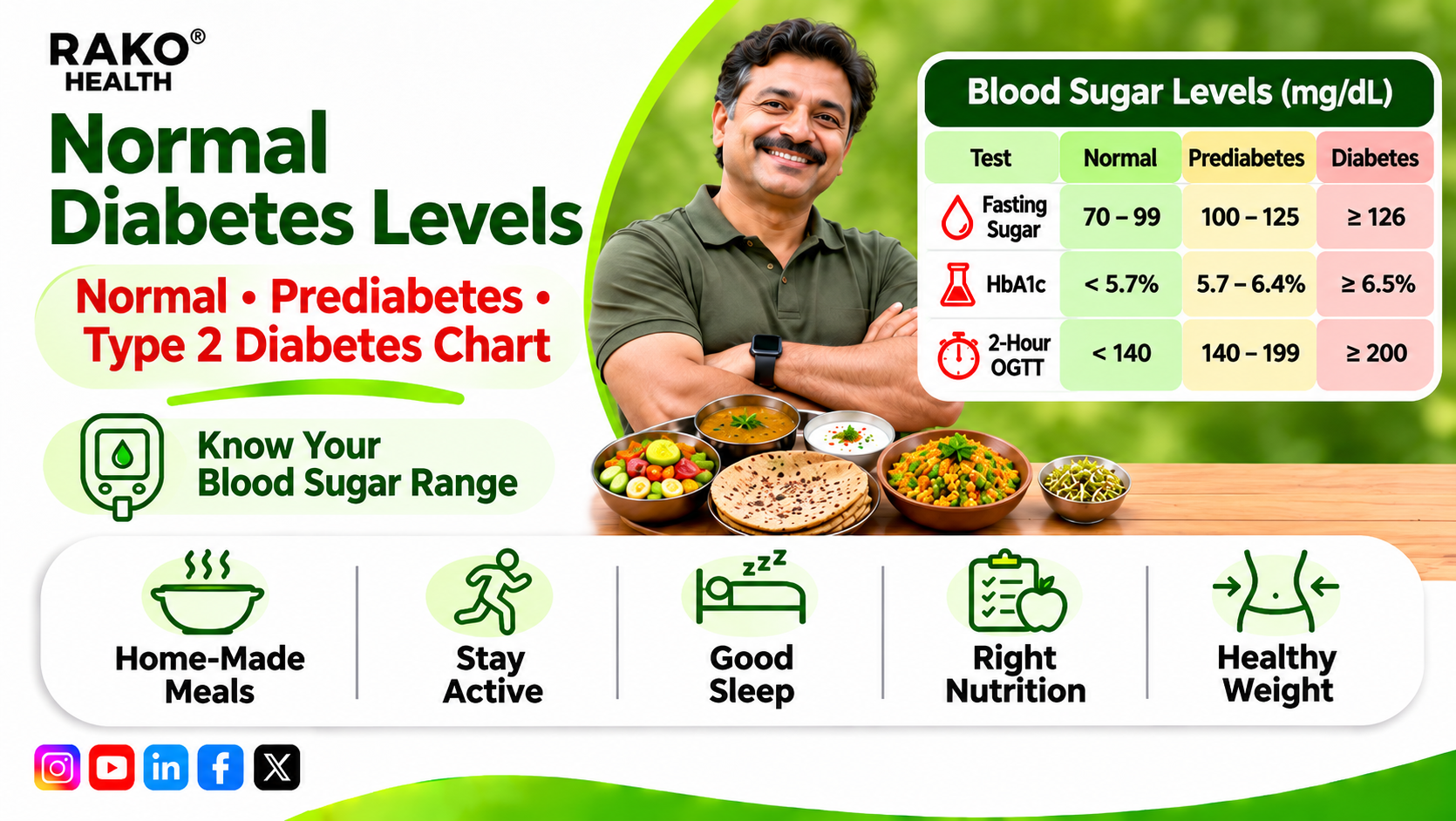
Normal Diabetes Levels Chart for Prediabetes and Type 2 Diabetes
Insulin Resistance Symptoms: 10 Warning Signs You Should Never Ignore
What Is Insulin Resistance? Understanding Your Metabolic Health
Normal Diabetes Levels Chart for Prediabetes and Type 2 Diabetes
Insulin Resistance Symptoms: 10 Warning Signs You Should Never Ignore
What Is Insulin Resistance? Understanding Your Metabolic Health
Normal Diabetes Levels Chart for Prediabetes and Type 2 Diabetes
Insulin Resistance Symptoms: 10 Warning Signs You Should Never Ignore
What Is Insulin Resistance? Understanding Your Metabolic Health