
Insulin Resistance Symptoms: 10 Warning Signs You Should Never Ignore


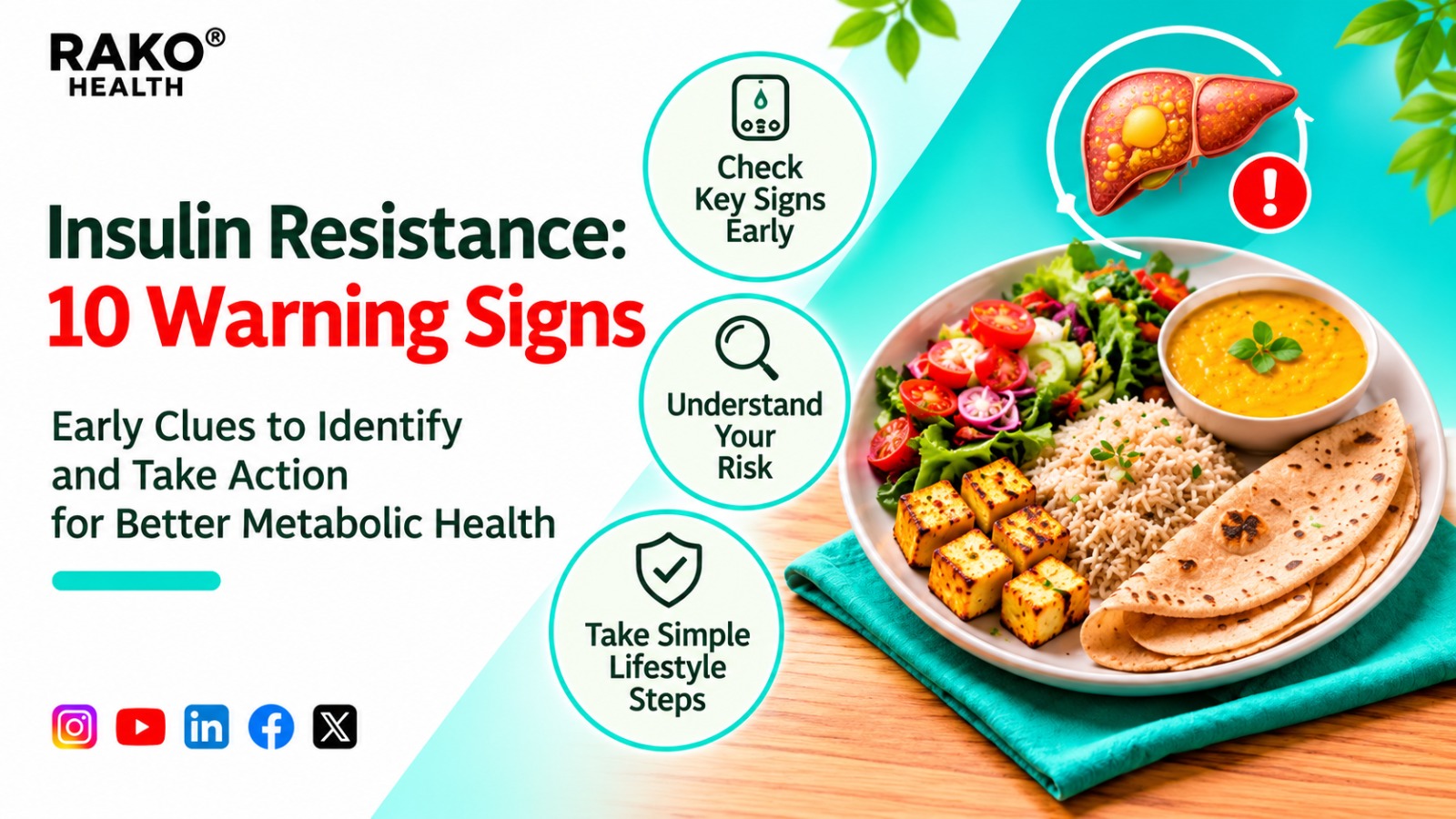
Insulin Resistance Symptoms can be difficult to recognise because many people experience no obvious changes during the early stages. However, understanding What Is Insulin Resistance can help you identify potential warning signs and take timely action. Your pancreas may produce additional insulin for years to compensate for reduced insulin sensitivity. Consequently, blood glucose levels may remain normal despite underlying metabolic changes.
Certain physical changes, medical conditions, and abnormal blood markers may indicate an increased likelihood of insulin resistance. Therefore, recognising these warning signs can encourage timely medical evaluation and appropriate nutritional intervention.
What Are the 10 Common Insulin Resistance Symptoms?
Here are ten warning signs that may indicate reduced insulin sensitivity and possible metabolic concerns.
1. Increasing Abdominal Fat
Excess fat around the waist is an important indicator of metabolic risk. Unlike subcutaneous fat, visceral fat surrounds internal organs, including the liver and intestines.
Moreover, visceral fat releases fatty acids and inflammatory molecules that can interfere with insulin signalling.
For South Asian adults, waist measurements of approximately 90 cm or more in men and 80 cm or more in women indicate increased cardiometabolic risk. However, waist circumference alone cannot diagnose insulin resistance.
2. Dark, Thickened Skin Patches
Acanthosis nigricans is a recognisable physical sign associated with insulin resistance. It appears as darkened, thickened, or velvety skin around the neck, armpits, and other skin folds.
Elevated insulin levels may stimulate growth-related signalling pathways in skin cells. Consequently, these skin changes may develop.
However, other conditions can cause similar changes. Therefore, consult a healthcare professional about new or rapidly developing skin patches.
3. Difficulty Managing Body Weight
Some individuals experience persistent difficulties managing their weight. Abnormal fat metabolism, appetite regulation, sleep disturbances, and hormonal conditions may contribute.
However, difficulty losing weight does not automatically indicate insulin resistance. Body weight depends on several biological, behavioural, and environmental factors.
A comprehensive metabolic assessment provides better insights than assuming insulin resistance is the only explanation.
4. Elevated Fasting Blood Sugar
As insulin resistance progresses, the pancreas may struggle to maintain normal blood glucose levels. Consequently, fasting blood sugar may increase.
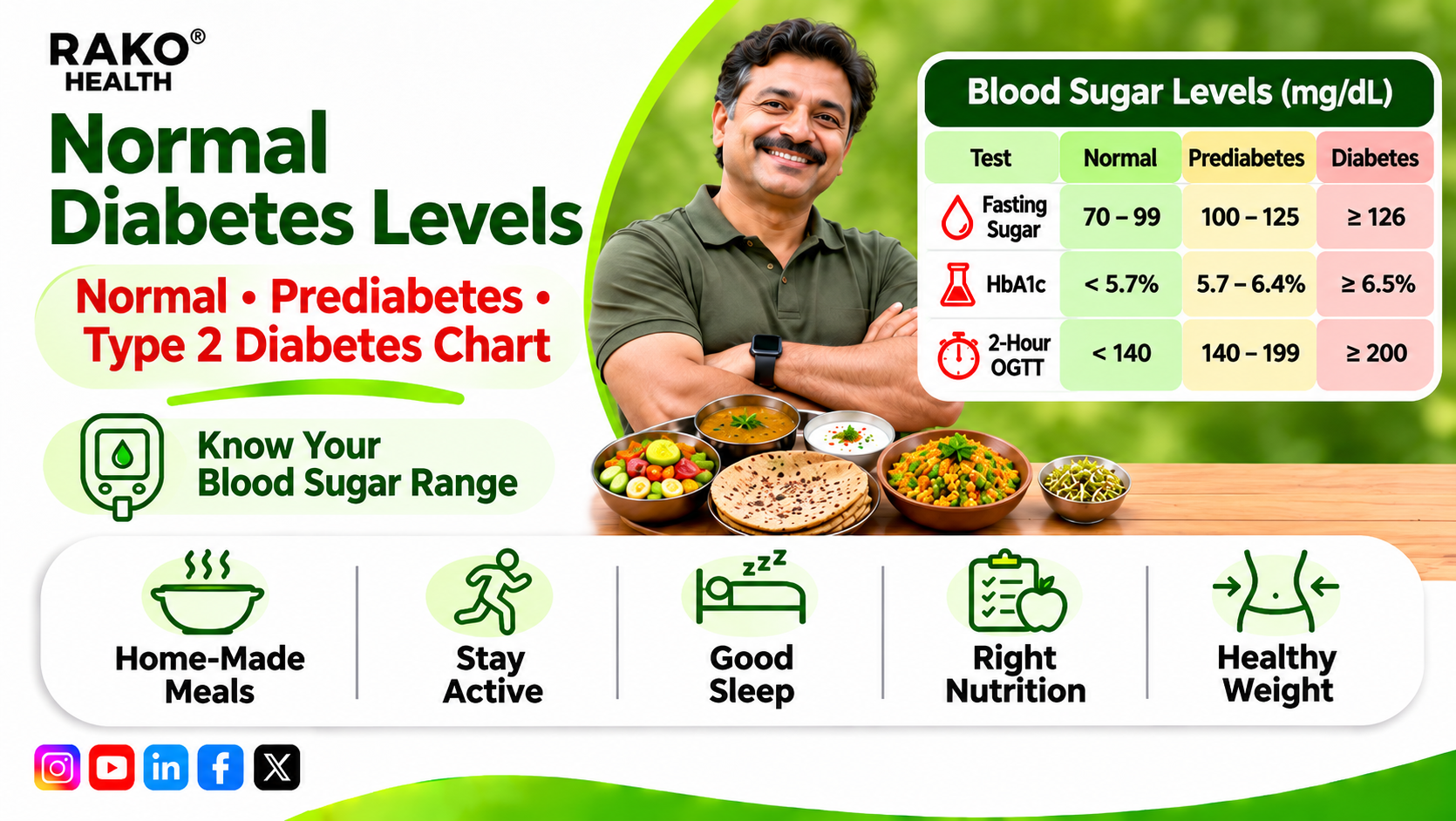
Common ADA fasting glucose categories for nonpregnant adults include:
- Normal: Below 100 mg/dL.
- Prediabetes: 100–125 mg/dL.
- Diabetes range: 126 mg/dL or above.
A diabetes diagnosis generally requires confirmation unless unequivocal hyperglycaemia is present. Importantly, normal fasting glucose does not exclude early insulin resistance.
Explore Prediabetes Reversal to understand the importance of early metabolic intervention.
5. Elevated HbA1c
HbA1c measures average blood glucose exposure over approximately two to three months.
Common ADA categories include:
- Normal: Below 5.7%.
- Prediabetes: 5.7–6.4%.
- Diabetes range: 6.5% or above.
However, HbA1c does not directly measure insulin resistance. Anaemia, altered red blood cell turnover, and certain haemoglobin variants may also affect results.
6. Elevated Triglycerides and Low HDL Cholesterol
Insulin resistance can disrupt normal fat metabolism. As insulin becomes less effective, triglyceride levels may increase.
Additionally, some individuals develop low HDL cholesterol. This combination commonly accompanies metabolic syndrome and increased cardiovascular risk.
A complete lipid profile provides useful metabolic information. Nevertheless, other conditions can also cause abnormal cholesterol levels.
7. Fatty Liver Disease
Fat accumulation in the liver is closely associated with insulin resistance. When the liver becomes insulin resistant, glucose production and fat metabolism become impaired.
Furthermore, excess fatty acids released from adipose tissue may increase liver fat accumulation.
Fatty liver disease often develops without noticeable symptoms. Doctors may discover it through ultrasound or medical evaluation. Importantly, normal liver enzyme levels do not necessarily exclude fatty liver disease.
Learn more about Fatty Liver and its relationship with metabolic health.
8. Irregular Periods and PCOS
Insulin resistance is common among women with polycystic ovary syndrome (PCOS). Elevated insulin levels may increase ovarian androgen production in susceptible individuals.
Consequently, women may experience:
- Irregular menstrual cycles.
- Acne and excessive facial hair.
- Difficulties with ovulation.
However, not every woman with PCOS has insulin resistance. Similarly, insulin resistance does not always cause PCOS.
Understanding PCOD/PCOS can help women recognise associated reproductive and metabolic concerns.
9. Elevated Blood Pressure
Insulin resistance frequently occurs alongside hypertension and metabolic syndrome. Altered blood vessel function, sympathetic nervous system activity, and kidney sodium handling may contribute.
Although high blood pressure is not a specific insulin resistance symptom, its presence alongside abdominal obesity or abnormal glucose and lipid levels deserves attention.
Therefore, regular blood pressure monitoring supports better cardiovascular health.
10. Fatigue, Excessive Thirst or Frequent Urination
Fatigue is sometimes associated with metabolic disorders. However, poor sleep, anaemia, thyroid disorders, and nutritional deficiencies can cause similar symptoms.
Meanwhile, excessive thirst and frequent urination may indicate elevated blood glucose or diabetes rather than early insulin resistance.
If you experience persistent thirst, frequent urination, blurred vision, or unexplained weight loss, seek prompt medical assessment.
How Can You Confirm Insulin Resistance?
There is no single universally accepted routine diagnostic test for insulin resistance. Instead, healthcare professionals consider several factors:
- Fasting blood glucose levels.
- HbA1c results.
- Fasting insulin, when appropriate.
- Lipid profile.
- Waist circumference and medical history.
HOMA-IR can provide an indirect estimate of insulin resistance. However, healthcare professionals must interpret it carefully.
Ultimately, the overall metabolic picture provides more information than one symptom or laboratory result.
How Can RAKO Health Support Better Metabolic Health?
Managing metabolic health requires an individualised approach. At RAKO Health, our personalized nutrition approach considers blood markers, medical history, and individual dietary requirements.
Under appropriate professional guidance, nutritional interventions can support metabolic health and help address associated risk factors.
You can also explore guidance from Dr. Meram Chalamaiah and learn how the Best Dietician for Diabetes can support personalised dietary management.
For additional evidence-based information, visit the American Diabetes Association.
Early identification of metabolic concerns can help guide appropriate nutritional changes before complications develop. Therefore, do not wait for symptoms to become severe.
Frequently Asked Questions
1. What is the first sign of insulin resistance?
There may be no noticeable early sign. However, increasing waist circumference or abnormal metabolic markers may provide important clues.
2. Can insulin resistance cause dark skin around the neck?
Yes. Acanthosis nigricans are associated with insulin resistance. However, other conditions can also cause similar skin changes.
3. Does insulin resistance cause sugar cravings?
Cravings can occur for several reasons. However, they are not a reliable diagnostic sign of insulin resistance.
4. Can thin people have insulin resistance?
Yes. Genetics, internal fat distribution, and other metabolic factors can contribute to insulin resistance, even at a normal body weight.
5. Can insulin resistance symptoms improve?
Yes. Associated metabolic abnormalities and some physical signs may improve with effective management. However, individual results vary.
6. What is the difference between insulin resistance and diabetes?
Insulin resistance occurs when cells respond less effectively to insulin. Diabetes develops when blood glucose becomes abnormally elevated. However, insulin resistance can exist before diabetes develops.
Final Thoughts
Explore more metabolic health resources from RAKO Health to understand nutrition, insulin sensitivity, and practical approaches to supporting long-term metabolic wellbeing.
Related Blogs
Average Blood Sugar Level Chart for Adults, Seniors, and Children: A Complete Guide
What Is Insulin Resistance? Understanding Your Metabolic Health
Normal Diabetes Levels Chart for Prediabetes and Type 2 Diabetes
Average Blood Sugar Level Chart for Adults, Seniors, and Children: A Complete Guide
What Is Insulin Resistance? Understanding Your Metabolic Health
Normal Diabetes Levels Chart for Prediabetes and Type 2 Diabetes
Average Blood Sugar Level Chart for Adults, Seniors, and Children: A Complete Guide
What Is Insulin Resistance? Understanding Your Metabolic Health
Normal Diabetes Levels Chart for Prediabetes and Type 2 Diabetes
Average Blood Sugar Level Chart for Adults, Seniors, and Children: A Complete Guide
What Is Insulin Resistance? Understanding Your Metabolic Health