
Rice and Roti for Weight Loss: Can You Eat Both and Manage Your Weight?


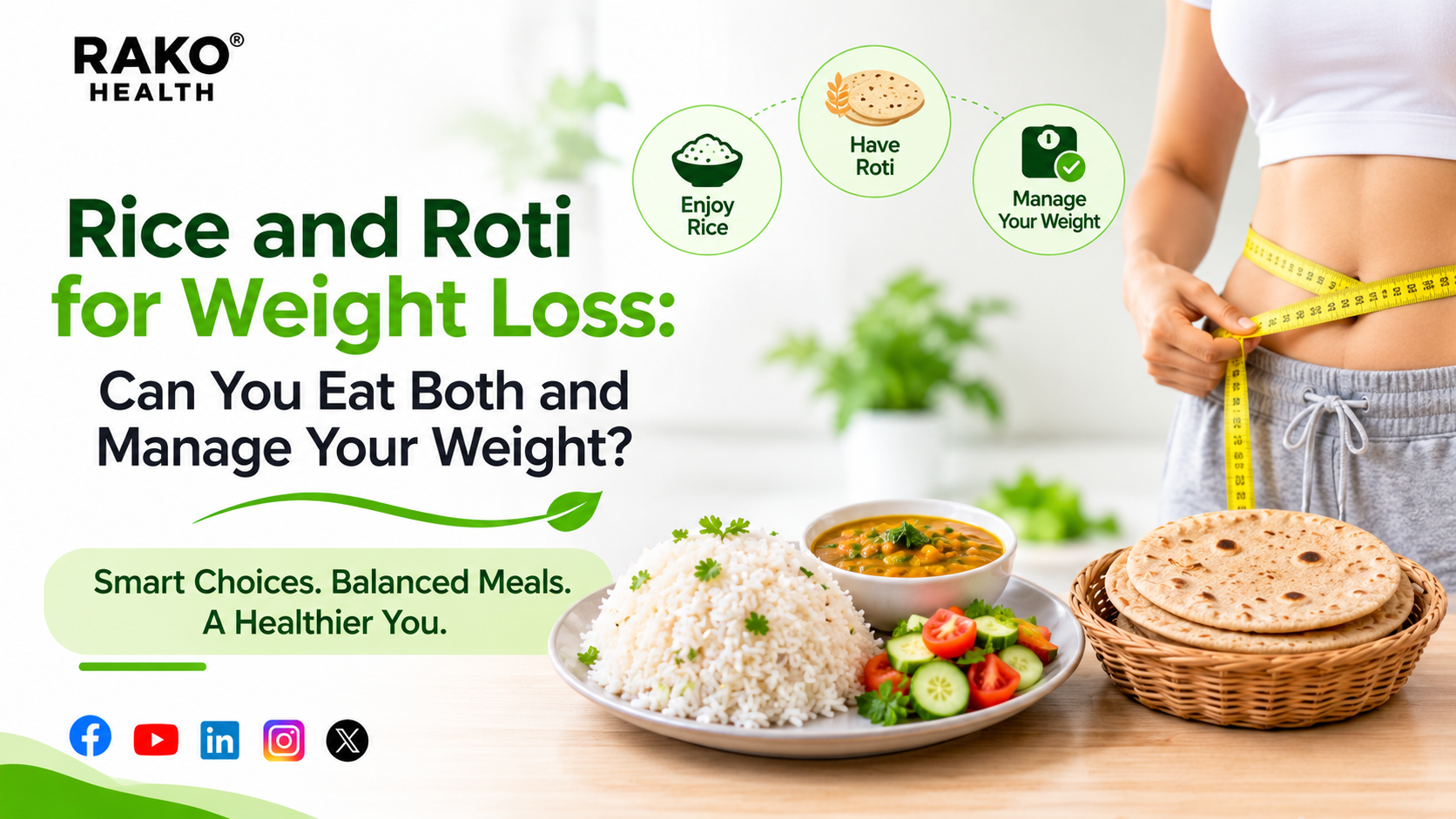
Rice and roti for weight loss can fit into a balanced diet when you manage portions and choose nutritious accompaniments. You do not need to eliminate these Indian staples to work towards your weight goals. Instead, focus on balanced meals, consistent eating habits, and suitable portions.
At RAKO Health, we promote practical nutrition habits for sustainable wellness. Learn more about the dietitian for weight loss, Dr. Meram Chalamaiah, and explore personalised dietary guidance for your health goals.
Can You Eat Rice While Losing Weight?
Yes, you can eat rice while losing weight. Rice provides carbohydrates, which supply energy for everyday activities. However, your overall food intake, portion sizes, physical activity, and eating habits also influence weight management.
White rice remains a suitable choice for many people. Meanwhile, brown rice generally contains more fibre because it retains more of the grain's outer layers.
To include rice in a balanced meal:
- Choose portions that suit your energy needs.
- Add protein sources such as dal, beans, eggs, tofu, fish, or paneer.
- Include vegetables or a fresh salad.
- Limit excessive oil, ghee, and calorie-dense additions.
Therefore, you can enjoy rice regularly without treating it as a forbidden food.
Can You Eat Roti While Managing Weight?
Yes, roti can also fit into a weight-management diet. Whole-wheat roti provides carbohydrates, some protein, and dietary fibre.
However, the number and size of rotis matter. Adding generous amounts of ghee or pairing several rotis with rich curries can increase your meal's calorie content.
For a more balanced meal:
- Choose whole-wheat roti when suitable for your dietary needs.
- Pair it with dal, beans, or another protein source.
- Add cooked vegetables or salad.
- Adjust portions according to your appetite and individual requirements.
Ultimately, rice and roti can both support a balanced Indian diet for weight management.
Rice vs Roti Nutrition: Which Is Better?
Neither food automatically causes weight gain. Their nutritional differences depend on the grain, preparation method, serving size, and accompanying dishes.
Here are some general differences:
- Rice: Provides carbohydrates and contains little fat when cooked without added fats.
- Whole-wheat roti: Provides carbohydrates, some protein, and dietary fibre.
- Brown rice: Generally offers more fibre than white rice.
- Refined-flour roti: Usually contains less fibre than whole-wheat roti.
Importantly, compare similar serving sizes rather than one spoonful of rice with one whole roti. Their weights and energy contents can differ considerably.
For reliable dietary information, explore the USDA MyPlate resource. It explains how grains fit into balanced eating patterns.
Portion Control for Rice and Roti
Portion control for rice and roti helps you enjoy familiar foods while considering your overall energy needs. However, no single serving size suits everyone.
Try these five practical strategies:
- Start with a moderate serving: Choose a portion that suits your appetite and energy requirements.
- Add vegetables: Include plenty of vegetables or salad with your meal.
- Include protein: Add dal, rajma, chana, tofu, paneer, eggs, or lean meat.
- Measure added fats: Use appropriate amounts of cooking oil and ghee.
- Eat mindfully: Slow down and notice your fullness before taking another serving.
Additionally, consider your activity level, medical needs, and usual eating pattern. A registered dietitian can help determine suitable portions for your circumstances.
How to Build Balanced Indian Meals for Weight Management
A healthy carbohydrate source works best as part of a varied meal. Rather than removing carbohydrates, combine them with protein, vegetables, and appropriate amounts of healthy fats.
Try these simple meal combinations:
- Lunch: Rice, dal, vegetable sabzi, and cucumber salad.
- Dinner: Whole-wheat roti, chana masala, and cooked vegetables.
- Vegetarian meal: Brown rice, rajma, and mixed vegetables.
- Quick office lunch: Roti rolls filled with paneer or tofu and vegetables.
- Traditional option: Idli, sambar, and a vegetable side.
Furthermore, choose meals you enjoy and can maintain consistently. Sustainable habits generally work better than rigid food rules.
Rice and Roti for Weight Loss: Tips for NRIs
NRIs living in the US, UK, Canada, or elsewhere can continue enjoying familiar Indian meals. You do not need expensive specialty foods to build a balanced diet.
For example, pair rice with beans, frozen vegetables, and homemade dal. Alternatively, serve whole-wheat roti with readily available vegetables and suitable protein sources.
Busy professionals can also prepare grains, curries, and vegetables ahead of time. Portion prepared meals into containers to simplify weekday lunches.
Here are additional ways NRIs can maintain familiar eating habits:
- Buy frozen vegetables when fresh produce is inconvenient or expensive.
- Prepare dal and curries in batches.
- Freeze individual portions for future meals.
- Choose whole grains when suitable and available.
- Check packaged foods for sodium and added fats.
At RAKO Health, we encourage practical food choices that suit different cultures, schedules, and preferences. Personalised guidance can help NRIs adapt traditional meals to their individual weight-management goals.
Frequently Asked Questions
1. Should I stop eating rice to lose weight?
No. Rice can fit into a balanced diet. Focus on suitable portions, nutritious accompaniments, and your overall eating pattern.
2. Is roti better than rice for weight loss?
Neither is universally better. Whole-wheat roti generally provides more fibre than white rice per comparable serving, but portions and meal combinations matter.
3. Can I eat rice and roti in the same meal?
Yes, if the combined portions suit your energy needs. Consider serving smaller portions of both alongside vegetables and protein.
4. Is brown rice better than white rice?
Brown rice generally contains more fibre. However, white rice can also fit into a nutritious diet, depending on your preferences and needs.
5. What is the best Indian diet for weight management?
Choose varied meals containing vegetables, protein-rich foods, whole grains, and suitable portions of carbohydrates and fats. Adjust the plan to your individual needs.
6. Can NRIs follow an Indian diet while managing weight?
Yes. NRIs can combine traditional Indian foods with locally available produce, whole grains, beans, and protein sources to create balanced meals.
How RAKO Health Supports Your Nutrition Goals
Managing weight does not require abandoning the foods you enjoy. Instead, focus on portion awareness, balanced meals, and habits you can maintain over time.
RAKO Health promotes practical wellness approaches for individuals and families. A qualified nutrition professional can help you understand your dietary needs and develop realistic strategies suited to your lifestyle.
Related Blogs
Diet Plan for Busy Professionals: A Practical Guide to Healthy Weight Loss

How Can I Lose 10 kg in 30 Days? A Practical Guide from RAKO Health
7 Healthy Weight Management Habits for Lasting Results
Diet Plan for Busy Professionals: A Practical Guide to Healthy Weight Loss
How Can I Lose 10 kg in 30 Days? A Practical Guide from RAKO Health
7 Healthy Weight Management Habits for Lasting Results
Diet Plan for Busy Professionals: A Practical Guide to Healthy Weight Loss
How Can I Lose 10 kg in 30 Days? A Practical Guide from RAKO Health
7 Healthy Weight Management Habits for Lasting Results
Diet Plan for Busy Professionals: A Practical Guide to Healthy Weight Loss
How Can I Lose 10 kg in 30 Days? A Practical Guide from RAKO Health