
Insulin Resistance Diet: What to Eat and What to Avoid


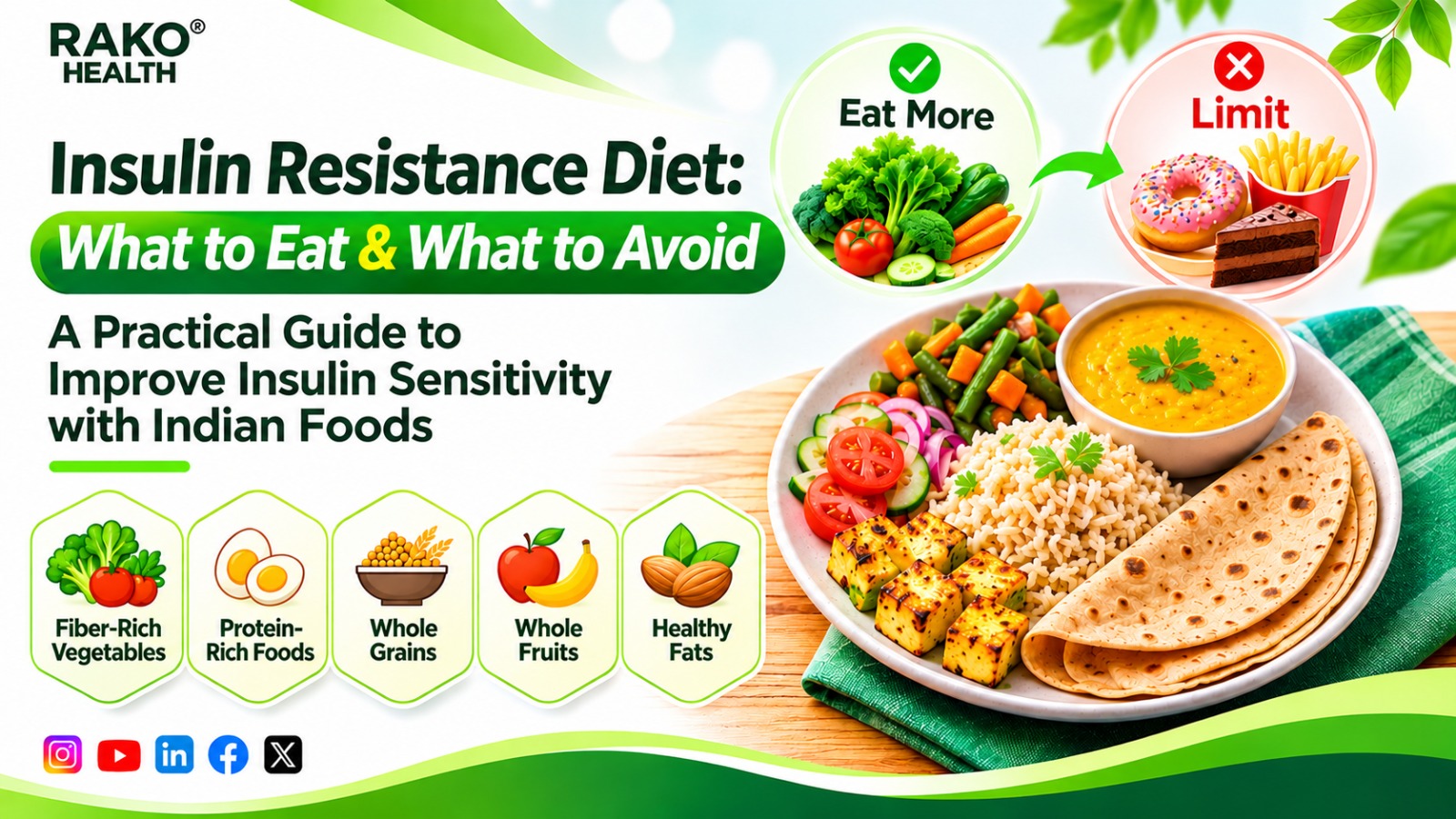
Insulin Resistance Diet focuses on balanced nutrition rather than unnecessary food restrictions. Should you stop eating rice, avoid fruits, or eliminate carbohydrates completely? Many people with insulin resistance encounter conflicting dietary advice. However, understanding How to Reverse Insulin Resistance starts with choosing nutritious foods and sustainable eating habits.
Nutritional science suggests that improving insulin sensitivity requires more than eliminating particular foods. Instead, food quality, portion sizes, nutrient balance, and individual metabolic requirements play important roles.
For Indians and NRIs, a practical approach can include familiar home-cooked meals without unnecessary dietary restrictions.
How Does an Insulin Resistance Diet Improve Metabolic Health?
After eating, carbohydrates break down into glucose, which enters the bloodstream. Insulin helps regulate glucose by promoting its uptake and storage.
However, when tissues become insulin resistant, glucose regulation becomes less efficient.
Additionally, persistent excess energy intake can promote abnormal fat accumulation in the liver and muscles. Certain lipid metabolites may interfere with molecular pathways involved in insulin action.
Therefore, an appropriate Insulin Resistance Diet can help improve glucose management, support healthy body composition, and reduce metabolic stress.
Best Foods to Eat for Insulin Resistance
Choosing nutritious foods can support better metabolic health. Here are five important food groups to include.
1. Fiber-Rich Vegetables
Vegetables provide dietary fiber, vitamins, minerals, and beneficial plant compounds. Fiber can moderate glucose absorption, improve satiety, and nourish beneficial intestinal microorganisms.
Include:
- Spinach, cabbage, and cauliflower.
- Beans, cucumber, and carrots.
- Bottle gourd and ridge gourd.
- Other seasonal vegetables.
Moreover, choose different vegetables instead of depending on one food for supposed medicinal benefits.
2. Protein-Rich Foods
Protein supports muscle maintenance and promotes satiety. Since skeletal muscle plays an important role in glucose utilisation, maintaining healthy muscle mass supports insulin sensitivity.
Indian protein sources include:
- Eggs, fish, and lean chicken.
- Paneer, curd, and tofu.
- Moong dal, masoor dal, and other pulses.
- Chickpeas and beans.
Remember that pulses contain both protein and carbohydrates. Therefore, consider their portions within your overall meals.
3. Whole Grains and Healthy Carbohydrates
Whole grains generally provide more fibre and nutrients than highly refined grain products.
Suitable choices include:
- Whole wheat and oats.
- Barley and brown rice.
- Ragi, jowar, and other millets.
However, even whole grains can increase blood glucose when consumed excessively. Choose portions according to your nutritional requirements and glucose responses.
4. Whole Fruits
Whole fruits provide fibre, vitamins, minerals, and beneficial plant compounds.
Guava, oranges, apples, papaya, mangoes, and bananas can fit into an appropriate diet.
However, fruit juice is generally less filling and easier to consume excessively than whole fruit. Therefore, prioritise whole fruits and consider individual glucose responses.
5. Healthy Dietary Fats
Unsaturated fats can support cardiovascular and metabolic health when replacing excessive saturated fats.
Include appropriate portions of:
- Almonds and walnuts.
- Flaxseeds and sesame seeds.
- Fish and unsaturated vegetable oils.
However, fats contain considerable energy. Excessive consumption can make weight management more difficult.
Foods to Avoid or Limit With Insulin Resistance
Rather than permanently banning foods, focus on reducing frequent consumption of:
- Sugary drinks and sweetened fruit juices.
- Sweets, cakes, and pastries.
- Highly refined flour products.
- Deep-fried snacks.
- Excessive portions of refined carbohydrates.
- Processed foods contain excessive added sugar, salt, and saturated fat.
Importantly, occasional consumption of favourite foods does not automatically damage metabolic health. Long-term dietary patterns matter more.
Can You Eat Rice With Insulin Resistance?
Yes. Many individuals following an Insulin Resistance Diet can include rice in their meals.
The glucose response depends on rice variety, portion size, preparation, and accompanying foods.
For example, a large plate of rice with minimal protein or vegetables may produce a greater glucose response.
Instead, combine a moderate rice portion with dal, vegetables, and an appropriate protein source.
There is no scientific requirement for everyone with insulin resistance to permanently eliminate rice.
Sample Indian Diet Chart for Insulin Resistance
Here is an illustrative Indian meal pattern. It is not an individualised prescription.
| Meal | Suggested foods |
| Breakfast | Vegetable pesarattu with curd or vegetable omelette with whole-grain roti |
| Lunch | Moderate rice or roti, dal, vegetable curry, and protein |
| Evening snack | Whole fruit with nuts or unsweetened curd |
| Dinner | Vegetables with paneer, tofu, eggs, fish, or chicken |
| Beverages | Water and unsweetened tea |
Adjust meal quantities and frequency according to medical conditions, nutritional needs, and medication schedules.
Is a Low-Carbohydrate Diet Necessary?
Reducing carbohydrate intake can improve glucose control in some individuals. However, very low-carbohydrate diets are not essential for everyone.
Mediterranean-style dietary patterns and other balanced approaches can also support insulin sensitivity.
The best Insulin Resistance Diet meets nutritional requirements, supports medical goals, and remains sustainable.
For individual guidance, Dr. Meram Chalamaiah can be an important resource to explore for personalised nutritional support.
Does Gut Health Matter in Insulin Resistance?
Emerging research suggests that intestinal microorganisms may influence inflammation, intestinal barrier function, and insulin sensitivity.
Fibre-rich foods support microbial fermentation and short-chain fatty acid production.
However, research continues to develop. No particular probiotic or gut-cleansing product has become a universal treatment for insulin resistance.
Explore Gut Health to understand the relationship between digestive health and metabolic wellbeing.
Personalised Insulin Resistance Nutrition at RAKO Health
At RAKO Health, we develop personalized nutrition guidance based on individual medical history, blood markers, and dietary requirements.
Our approach emphasises everyday home-cooked food, nutritional adequacy, and sustainable changes rather than unnecessary restrictions or generic diet charts.
Whether you live in India or abroad, appropriate nutritional guidance can help you make informed food choices.
Explore our Weight Loss and Type 2 Diabetes Reversal resources to learn more about personalised metabolic health support.
Your food should support your metabolism, health, and everyday life. Discover personalized nutrition guidance with RAKO Health.
Frequently Asked Questions
1. Which Indian food is best for insulin resistance?
There is no single best food. Balanced meals containing vegetables, adequate protein, fibre-rich carbohydrates, and healthy fats are more useful.
2. Is wheat better than rice for insulin resistance?
Whole wheat may provide more fibre than some refined rice varieties. However, portion size and overall meal composition remain important.
3. Can I eat fruit every day with insulin resistance?
Yes. Whole fruits can fit into suitable portions unless your medical condition requires specific restrictions.
4. Are millets good for insulin resistance?
Millets provide valuable nutrients. However, they still contain carbohydrates and require appropriate portions.
5. Do cinnamon and fenugreek reverse insulin resistance?
Some studies investigate their potential metabolic effects. However, neither replaces comprehensive nutrition or prescribed medical treatment.
6. Should everyone follow the same insulin resistance diet?
No. Nutritional requirements differ according to body composition, medical history, medications, food preferences, and metabolic health.
Related Blogs
How to Cure Constipation Naturally: Simple Home Remedies for Better Gut Health
Weight Loss Diet Plan for Women: Expert Nutrition Insights and Health Tips
Weight Loss Diet - Benefits, Foods & Complete Guide
How to Cure Constipation Naturally: Simple Home Remedies for Better Gut Health
Weight Loss Diet Plan for Women: Expert Nutrition Insights and Health Tips
Weight Loss Diet - Benefits, Foods & Complete Guide
How to Cure Constipation Naturally: Simple Home Remedies for Better Gut Health
Weight Loss Diet Plan for Women: Expert Nutrition Insights and Health Tips
Weight Loss Diet - Benefits, Foods & Complete Guide
How to Cure Constipation Naturally: Simple Home Remedies for Better Gut Health
Weight Loss Diet Plan for Women: Expert Nutrition Insights and Health Tips