
Healthy Poha – Gut-Friendly Indian Breakfast Recipe


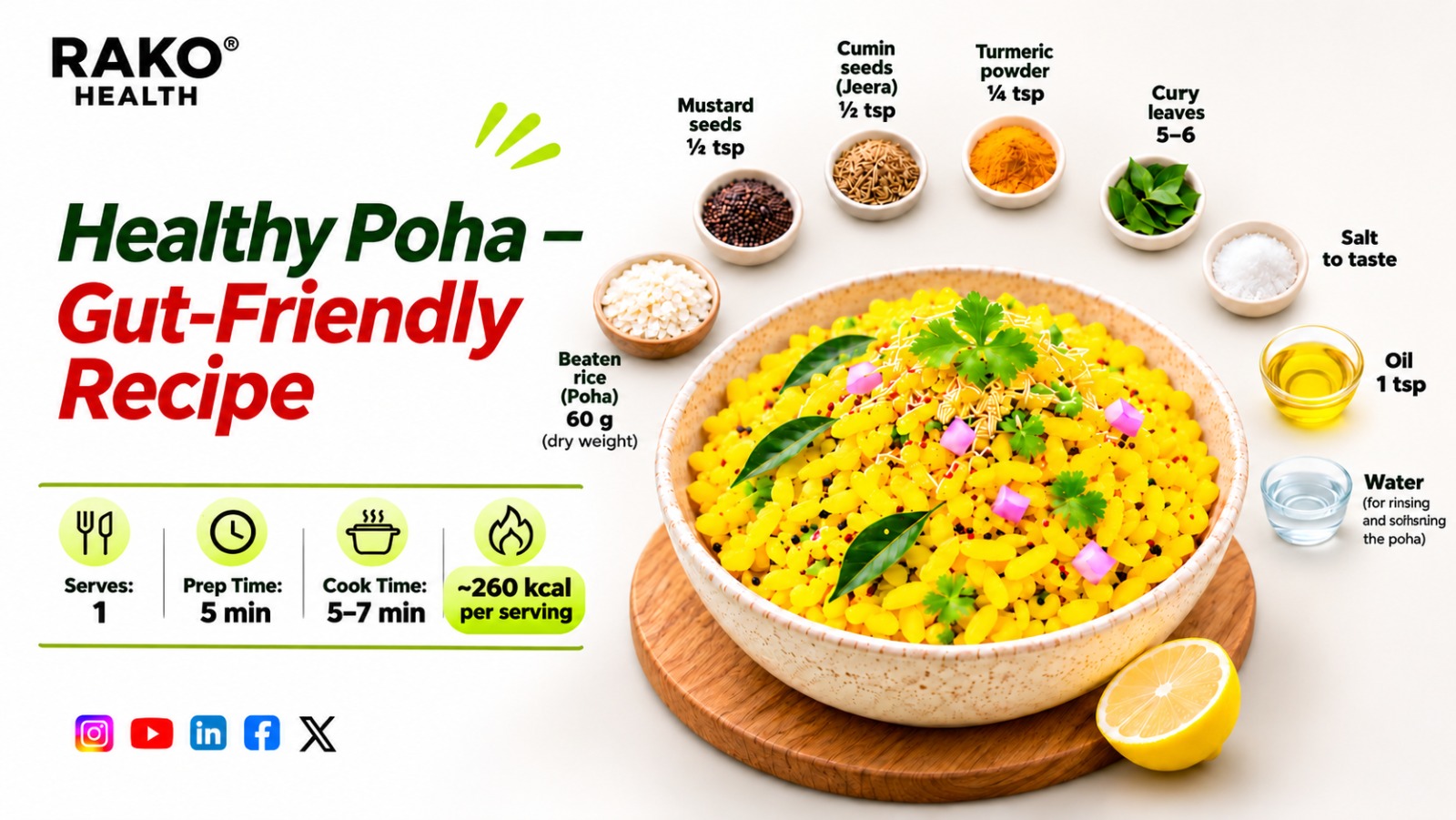
This Healthy Poha is a simple homemade recipe prepared with flattened rice, cumin seeds, mustard seeds, turmeric, and fresh curry leaves. It is a nutritious option for people who want to enjoy a light and easy-to-prepare breakfast as part of their daily diet.
This easy homemade poha takes just 7–10 minutes to cook and can be enjoyed as part of a balanced, gut-friendly meal plan with appropriate portion control.
Recipe Overview
Servings: 1 Person
Preparation Time: 5 Minutes
Cooking Time: 7–10 Minutes
Total Time: 12–15 Minutes
Calories: Approximately 260 kcal
Protein: 5 g
Dietary Fiber: 1–2 g
Ingredients Required
Here are the simple ingredients needed to prepare this healthy homemade poha recipe.
| Ingredients | Quantity |
| Beaten rice (Poha), dry weight | 60 g |
| Mustard seeds | ½ tsp |
| Cumin seeds (Jeera) | ½ tsp |
| Turmeric powder | ¼ tsp |
| Curry leaves | 5–6 |
| Salt | To taste |
| Oil | 1 tsp |
| Water | For rinsing and softening the poha |
How to Prepare Healthy Poha
Follow these simple steps to prepare a delicious and light homemade poha.
Step 1: Rinse the Poha
Place the poha in a colander and rinse gently with clean water.
Step 2: Soften the Poha
Allow the poha to soften for approximately 3–5 minutes, depending on its thickness. Drain any excess water.
Step 3: Heat the Oil
Heat one teaspoon of oil in a non-stick pan over medium heat.
Step 4: Add Mustard and Cumin Seeds
Add the mustard seeds and cumin seeds to the heated oil. Allow them to splutter.
Step 5: Add Curry Leaves and Turmeric
Add the curry leaves and turmeric powder. Sauté briefly for 20–30 seconds over low heat.
Step 6: Add the Softened Poha
Add the softened poha and salt to the pan.
Step 7: Mix Everything Well
Gently mix until the poha is evenly coated with the spices.
Step 8: Cook the Poha
Cook over low heat for approximately 2–3 minutes, stirring occasionally until heated through.
Step 9: Serve Warm
Your healthy homemade poha is ready to serve! Enjoy this light and traditional Indian breakfast while warm.
Nutritional Information
Here is the approximate nutritional breakdown for one serving (entire prepared recipe).
| Nutrient | Per Serving |
| Calories | 260 kcal |
| Protein | 5 g |
| Carbohydrates | 48 g |
| Total Fat | 6 g |
| Dietary Fiber | 1–2 g |
Gut Health Benefits of Healthy Poha
This simple homemade poha contains traditional ingredients that can be included in a balanced eating routine.
1. Generally Easy to Digest
Properly rinsed, softened, and cooked poha may be well tolerated by many individuals, making it a convenient breakfast option.
2. Provides Energy
Poha contains carbohydrates that provide energy for everyday activities.
3. Cumin for Digestive Comfort
Cumin is traditionally used in Indian cooking and is commonly included in meals for its flavour and potential digestive comfort.
4. Curry Leaves Provide Antioxidants
Curry leaves contain naturally occurring antioxidant compounds and add freshness and flavour to the recipe.
5. Mustard Seeds Add Plant Compounds
Mustard seeds provide flavour and small quantities of naturally occurring beneficial plant compounds.
Serving Suggestions
Enjoy this healthy poha with additional nutritious foods to make your breakfast more balanced.
- Plain curd for additional protein, if tolerated.
- Boiled eggs for a protein-rich accompaniment.
- Cooked carrots and beans for additional fiber.
- Green peas for extra plant-based protein.
- Fresh cucumber slices.
Choose appropriate portions based on your individual calorie requirements and digestive tolerance.
RAKO Health Nutrition Tip
Poha is primarily a carbohydrate-rich food that provides energy and contains relatively little protein or fiber.
For a more balanced breakfast, include vegetables such as carrots, beans, or peas and pair it with a protein source such as plain curd or eggs.
At RAKO Health, we believe that healthy eating doesn't require complicated diets or expensive ingredients. Simple home-cooked meals, personalized nutrition guidance, and consistent healthy habits can make a positive difference in your digestive wellness journey.
For personalized support, explore our Gut Health Services and connect with the Best Dietician for Gut Health for expert dietary guidance.
You can also explore our blogs on Fermented Foods for Gut Health and Probiotics for Gut Health to learn more about supporting your digestive health.
Frequently Asked Questions
1. Is poha good for gut health?
Properly softened and cooked poha may be well tolerated by many individuals. However, digestive tolerance varies from person to person.
2. Is poha easy to digest?
Soft and properly cooked poha is generally easy to eat and may be suitable for people who prefer lighter breakfast options.
3. Does poha contain dietary fiber?
Poha contains relatively little dietary fiber. Adding vegetables such as carrots, beans, and peas can improve the fiber content of the meal.
4. Can I eat poha every day for breakfast?
You can include poha in a varied breakfast routine. Add vegetables and protein-rich foods to improve its nutritional balance.
5. Is poha suitable for people with IBS?
Some individuals with IBS may tolerate plain poha well. However, individual food tolerance varies, so adjust ingredients and portions according to your digestive symptoms.
Make Healthy Eating a Lifestyle
Healthy eating doesn't have to be boring or complicated. This homemade poha is a light, traditional, and easy-to-prepare Indian breakfast that can be included in a balanced daily diet.
With appropriate food choices, balanced portions, personalized nutrition guidance, and consistent healthy habits, you can enjoy your favourite homemade meals while supporting your digestive wellness.
Eat healthy, stay consistent, and make every meal count with RAKO Health!
Related Blogs
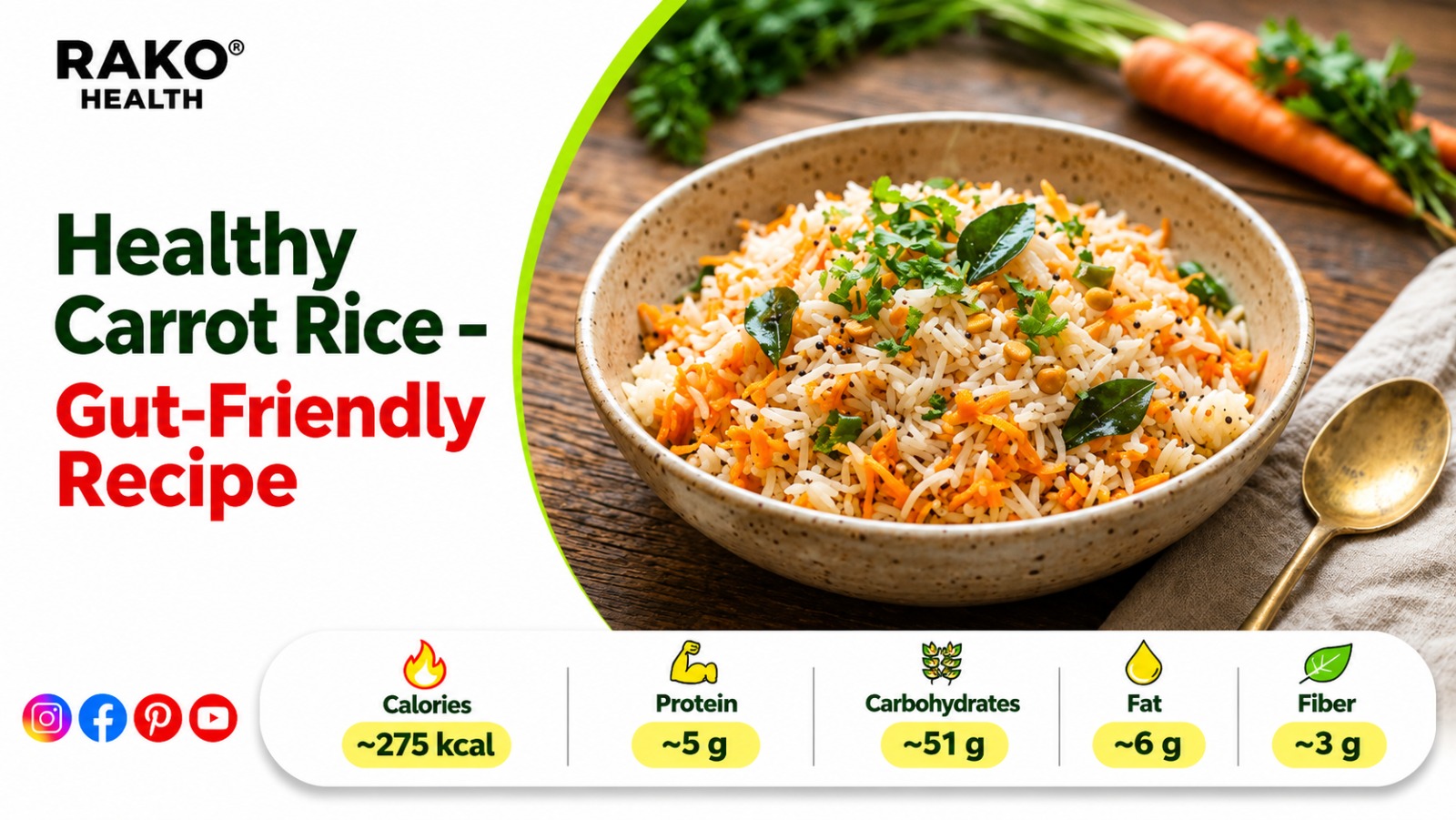
Healthy Carrot Rice – Gut-Friendly Indian Rice Recipe
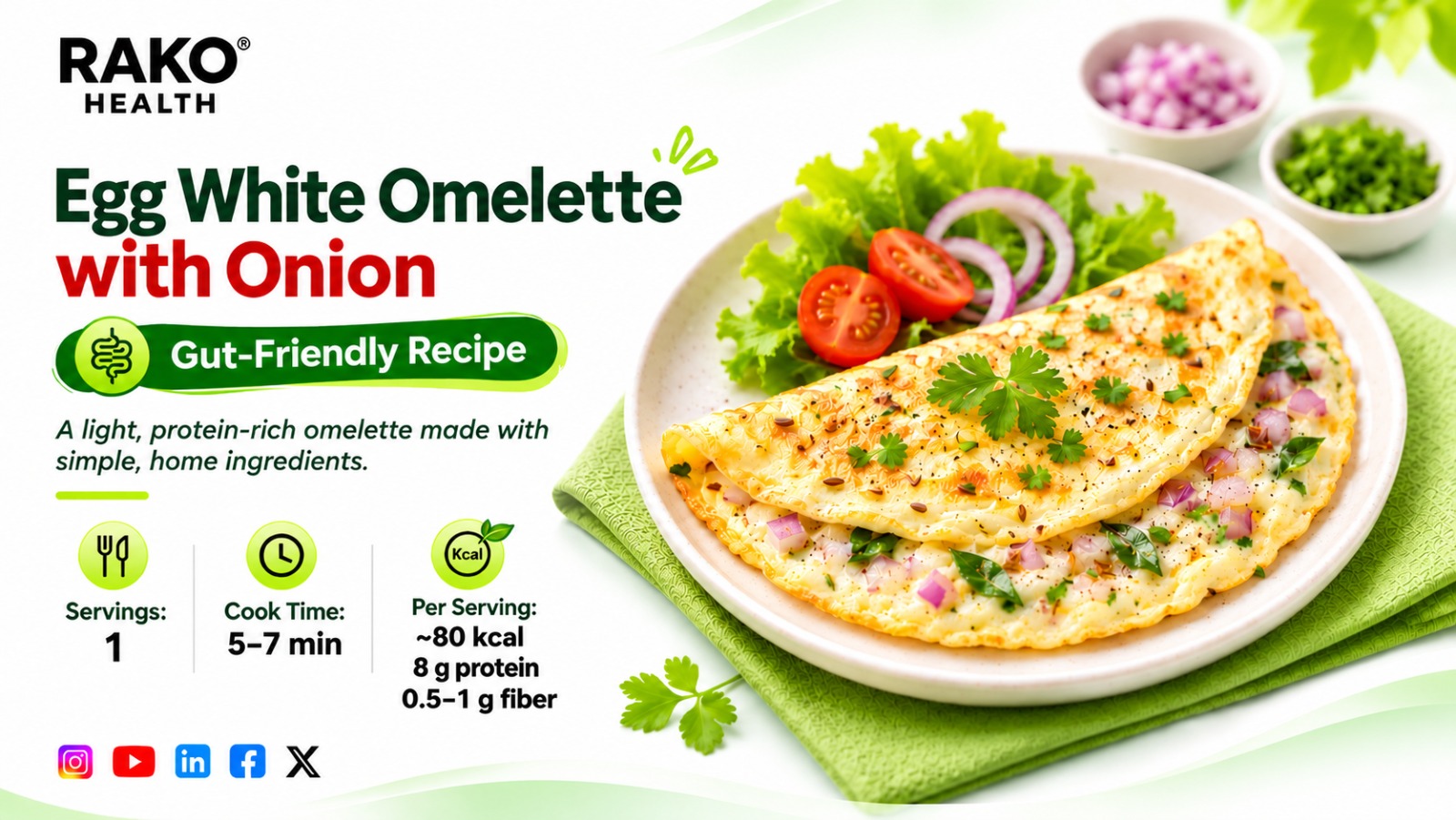
Egg White Omelette with Onion – Healthy Gut-Friendly Breakfast Recipe
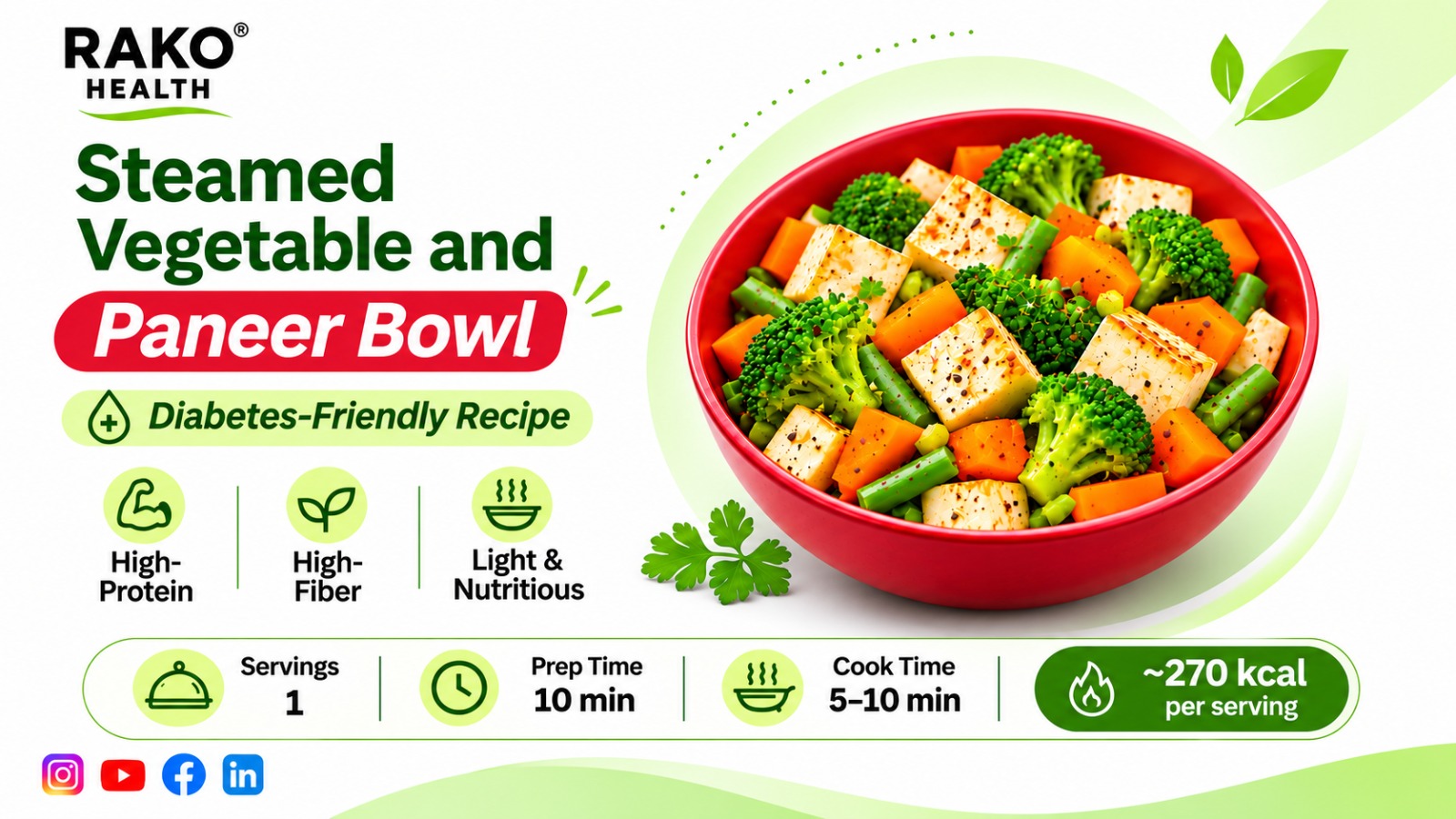
Steamed Vegetable and Paneer Bowl for Diabetes – Healthy High-Protein Recipe
Healthy Carrot Rice – Gut-Friendly Indian Rice Recipe
Egg White Omelette with Onion – Healthy Gut-Friendly Breakfast Recipe
Steamed Vegetable and Paneer Bowl for Diabetes – Healthy High-Protein Recipe
Healthy Carrot Rice – Gut-Friendly Indian Rice Recipe
Egg White Omelette with Onion – Healthy Gut-Friendly Breakfast Recipe
Steamed Vegetable and Paneer Bowl for Diabetes – Healthy High-Protein Recipe
Healthy Carrot Rice – Gut-Friendly Indian Rice Recipe
Egg White Omelette with Onion – Healthy Gut-Friendly Breakfast Recipe