
How to Reverse Fatty Liver: What Science Says About Diet and Recovery


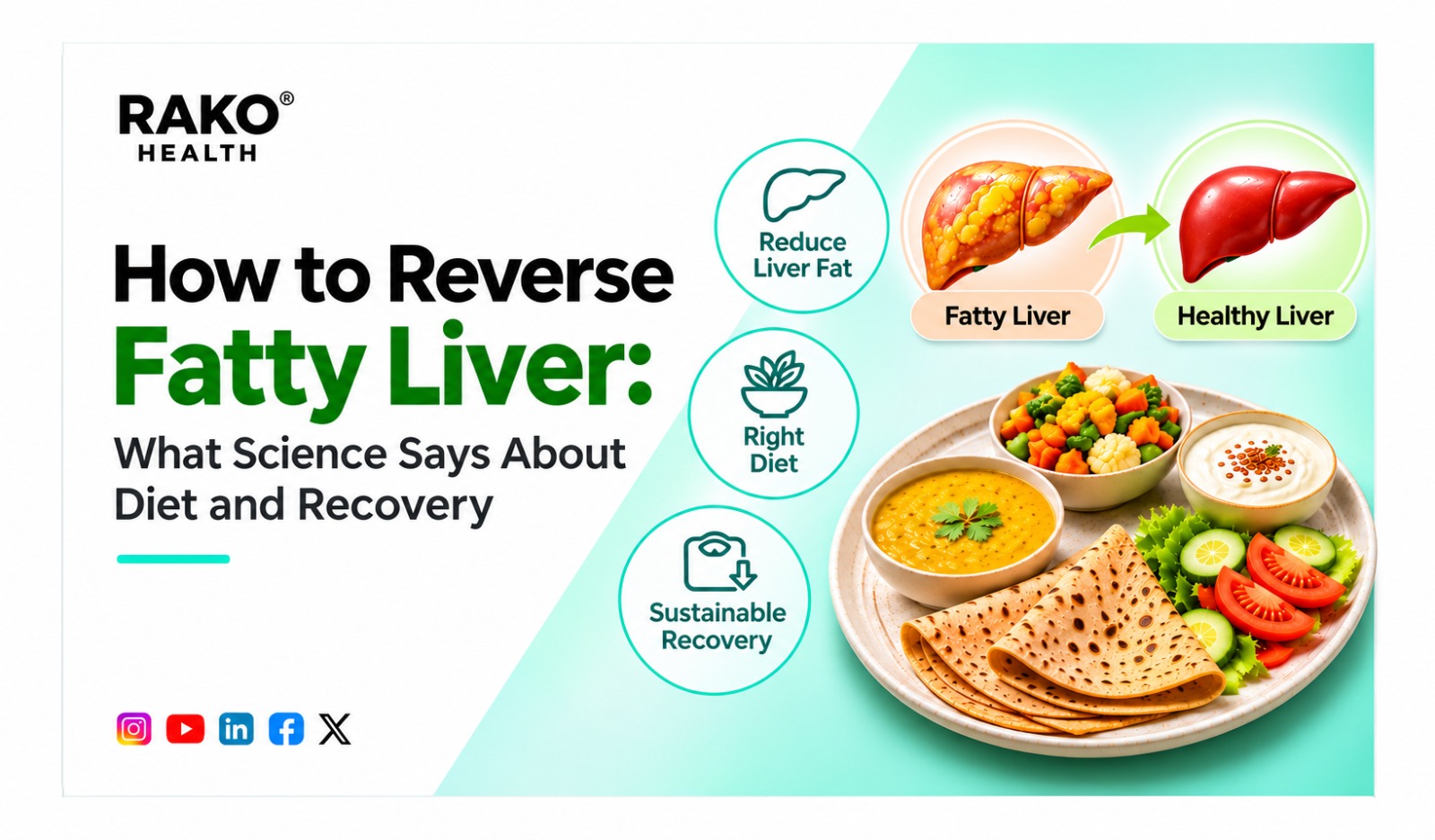
How to Reverse Fatty Liver is a common question after an ultrasound or blood test reveals excess liver fat. Fortunately, early intervention can make a significant difference. With the right nutrition, lifestyle changes and professional guidance, many people can reduce liver fat and improve metabolic health. At RAKO Health, we help individuals understand their nutritional needs through personalized fatty liver management services.
Whether you live in India, the US, UK, Canada, Australia or another country, understanding fatty liver recovery is an important step towards better health.
What Is Fatty Liver Disease?
Fatty liver disease occurs when excess fat accumulates inside liver cells. It often connects with insulin resistance, abdominal obesity, type 2 diabetes and abnormal cholesterol levels.
Doctors now commonly use the term Metabolic Dysfunction-Associated Steatotic Liver Disease (MASLD). Previously, this condition was called Non-Alcoholic Fatty Liver Disease (NAFLD).
Initially, fatty liver may not cause noticeable symptoms. However, some individuals develop inflammation and liver damage. Over time, this can progress into fibrosis or cirrhosis.
Fortunately, not everyone with fatty liver develops advanced liver disease.
What Causes Fat Accumulation in the Liver?
Several metabolic processes contribute to excess liver fat.
- Insulin Resistance: Reduced insulin sensitivity increases fatty acid movement from body fat into the liver.
- Excess Fat Production: The liver converts excess carbohydrates into fat through a process called de novo lipogenesis.
- Metabolic Inflammation: Excess liver fat can increase oxidative stress and inflammatory activity, potentially damaging liver cells.
Therefore, managing fatty liver also requires improving overall metabolic health.
How to Reverse Fatty Liver Through Diet
Nutrition plays an important role in reducing liver fat. However, sustainable dietary changes work better than restrictive diets or temporary detox plans.
1. Focus on Healthy Weight Management
For individuals with overweight or obesity, gradual weight loss can improve liver health.
Research suggests:
- Losing 3–5% of body weight can reduce liver fat.
- Losing approximately 7–12% may improve inflammation and other liver-related outcomes.
- Greater weight reduction may improve fibrosis in some individuals.
However, people with normal body weight need an individualised approach.
2. Reduce Added Sugar and Sugary Drinks
Excessive sugar consumption can contribute to increased liver fat.
Therefore, reduce:
- Soft drinks and packaged juices.
- Sweetened beverages and flavoured drinks.
- Sweets, pastries and sugary snacks.
Instead, choose water, unsweetened tea and whole fruits.
3. Choose Healthy Fats
The quality of dietary fat matters for metabolic health.
Include:
- Almonds, walnuts and seeds.
- Fish and other suitable protein sources.
- Moderate amounts of olive or other unsaturated vegetable oils.
Meanwhile, limit excessive saturated fats and frequently fried foods.
4. Increase Fibre-Rich Foods
Fibre supports digestion and overall metabolic health.
Include vegetables, whole grains, legumes and whole fruits. Additionally, fibre may influence gut bacteria and metabolic regulation.
For practical guidance, explore our personalised diet for fatty liver recommendations.
Best Indian Diet for Fatty Liver
You do not need expensive foods or complicated meal plans. Traditional Indian foods can support a balanced liver-friendly eating pattern.
Food category | Better choices | Limit more often |
| Grains | Whole-wheat roti, oats, millets, portion-controlled rice | Oversized rice portions, sugary cereals |
| Protein | Dal, chana, rajma, eggs, fish, tofu | Processed meats |
| Vegetables | Spinach, gourds, beans, carrots | Deep-fried vegetables |
| Beverages | Water, unsweetened tea, plain coffee | Soft drinks, sweetened juices |
| Snacks | Fruits, roasted chana, nuts | Biscuits, sweets, fried snacks |
Additionally, adjust portions according to your energy requirements and blood glucose levels.
Fatty Liver Management for NRIs
Indian NRIs often face dietary challenges while living abroad. Busy schedules, restaurant meals, irregular eating patterns and limited access to familiar home-cooked foods can affect nutritional habits.
However, maintaining a liver-friendly diet remains achievable.
Here are some practical suggestions:
- Choose whole grains instead of refined carbohydrates.
- Prepare dal, vegetables and protein-rich meals at home.
- Limit frequent takeaway meals and sugary coffee drinks.
- Include fruits, nuts and healthy snacks during work hours.
- Maintain regular physical activity and healthy sleep habits.
Whether you live in the USA, UK, Canada, Australia or the Middle East, personalised nutrition guidance can help you maintain consistency.
RAKO Health supports individuals seeking practical nutritional guidance, including those who need dietary recommendations that fit their lifestyle and food preferences.
If you need professional support, connect with the best dietician for fatty liver management at RAKO Health.
How Long Does It Take to Reverse Fatty Liver?
Many people notice improvements in liver fat within weeks or months of consistent lifestyle changes. However, recovery timelines vary.
Important factors include:
- Initial liver fat levels.
- Presence of fibrosis or inflammation.
- Diabetes and insulin resistance.
- Genetics and medication use.
- Consistency with dietary and lifestyle changes.
Importantly, normal liver enzyme levels do not always indicate complete recovery. Medical follow-up helps assess liver health more accurately.
Scientific References
- Semmler G, Datz C, Trauner M. Eating, diet, and nutrition for the treatment of non-alcoholic fatty liver disease. Clinical and Molecular Hepatology. 2023;29(Suppl)–S260. https://doi.org/10.3350/cmh.2022.0364
- Montemayor S, García S, Monserrat-Mesquida M, Tur JA, Bouzas C. Dietary Patterns, Foods, and Nutrients to Ameliorate Non-Alcoholic Fatty Liver Disease: A Scoping Review. Nutrients. 2023;15:3987. https://doi.org/10.3390/nu15183987
- Zelber-Sagi S, Godos J, Salomone F. Lifestyle changes for the treatment of nonalcoholic fatty liver disease: a review of observational studies and intervention trials. Therapeutic Advances in Gastroenterology. 2016;9:392–407. https://doi.org/10.1177/1756283X16638830
- George ES, Forsyth A, Itsiopoulos C, et al. Practical Dietary Recommendations for the Prevention and Management of Nonalcoholic Fatty Liver Disease in Adults. Advances in Nutrition. 2018;9:30–40. https://doi.org/10.1093/advances/nmx007
Frequently Asked Questions
1. Can grade 1 fatty liver be reversed?
Yes. Early-stage fatty liver can often improve significantly with appropriate nutrition, physical activity and metabolic health management.
2. Can I reverse fatty liver in three months?
You may notice improvements within three months. However, complete resolution depends on disease severity and individual health factors.
3. Can a thin person develop fatty liver?
Yes. People with normal BMI can develop fatty liver due to abdominal fat, insulin resistance and genetic factors.
4. Is rice responsible for fatty liver?
No. Rice alone does not cause fatty liver. Overall calorie intake, portion sizes and metabolic health matter more.
5. Do liver detox drinks reverse fatty liver?
There is insufficient scientific evidence that detox drinks reverse fatty liver. Sustainable nutrition and lifestyle changes remain more reliable approaches.
6. Should everyone with fatty liver lose weight?
No. Weight loss is not necessary for everyone. People with normal weight need personalized nutritional recommendations.
Take the Next Step Towards Better Liver Health
Learning How to Reverse Fatty Liver starts with understanding your health, improving your eating habits and making sustainable lifestyle changes.
At RAKO Health, we believe effective nutrition guidance should fit your medical needs, cultural food preferences and everyday routine.
Explore our fatty liver nutrition services and take an informed step towards improving your metabolic and liver health. Consult a qualified healthcare professional for appropriate diagnosis, fibrosis assessment and ongoing monitoring.
Related Blogs
Personalized Diet Plan for Fatty Liver: A Complete Indian Diet Chart
Best Dietician for Fatty Liver: Personalized Nutrition for Better Liver Health
Diet for Fatty Liver: 7-Day Indian Diet Plan
Personalized Diet Plan for Fatty Liver: A Complete Indian Diet Chart
Best Dietician for Fatty Liver: Personalized Nutrition for Better Liver Health
Diet for Fatty Liver: 7-Day Indian Diet Plan
Personalized Diet Plan for Fatty Liver: A Complete Indian Diet Chart
Best Dietician for Fatty Liver: Personalized Nutrition for Better Liver Health
Diet for Fatty Liver: 7-Day Indian Diet Plan
Personalized Diet Plan for Fatty Liver: A Complete Indian Diet Chart
Best Dietician for Fatty Liver: Personalized Nutrition for Better Liver Health