
Personalized Diet Plan for Fatty Liver: A Complete Indian Diet Chart


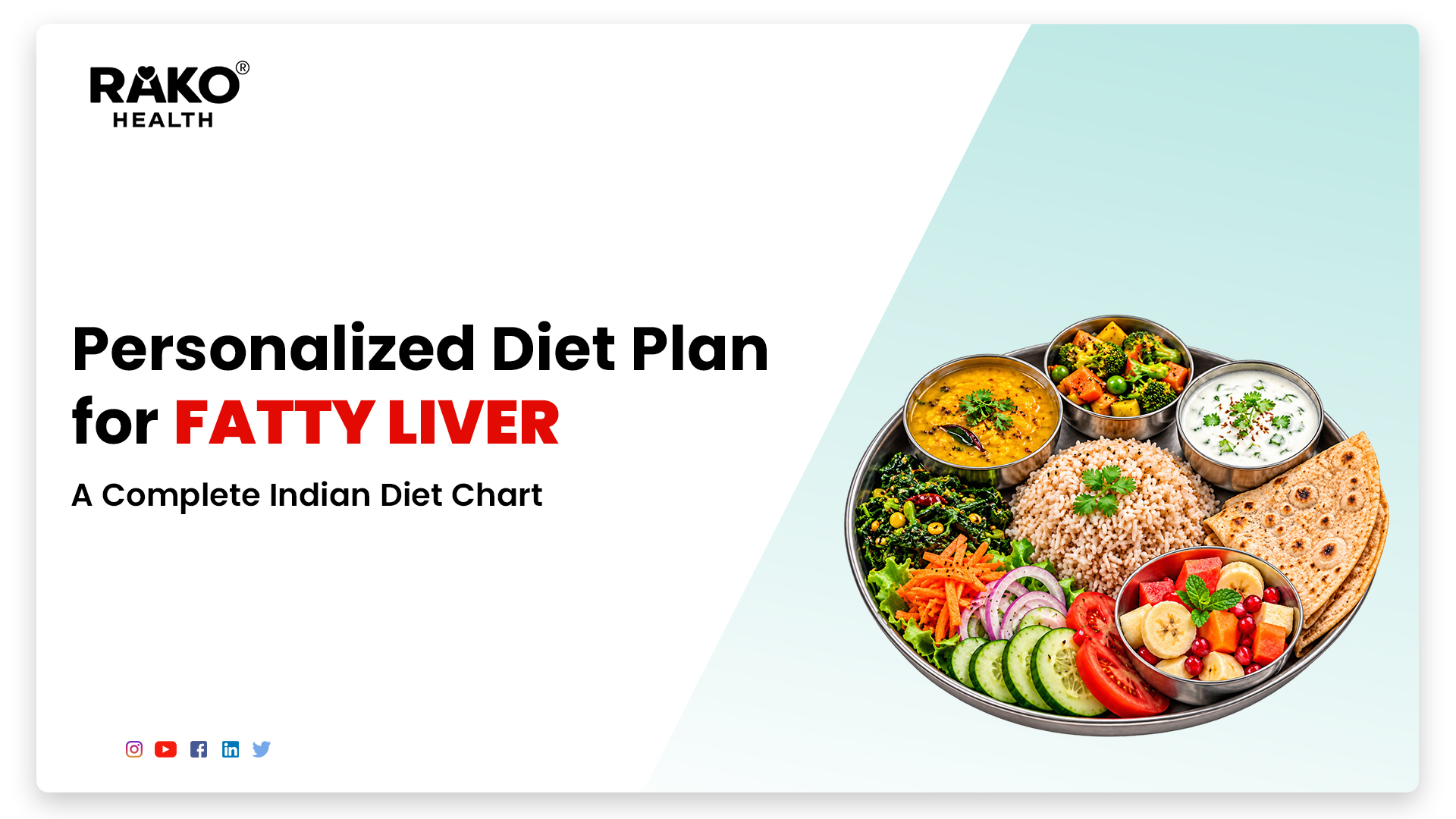
Personalized Diet Plan for Fatty Liver helps you make practical food choices that support liver health, improve metabolic health, and fit your daily routine. At RAKO Health, we believe sustainable nutrition changes work better than restrictive diets. Whether you live in India or abroad as an NRI, the right Diet Plan for Fatty Liver can help you build healthier eating habits.
What Is the Best Diet Plan for Fatty Liver?
Fatty liver occurs when excess fat accumulates in liver cells. Metabolic dysfunction-associated steatotic liver disease (MASLD), formerly called NAFLD, often links to obesity, insulin resistance, and type 2 diabetes.
Fortunately, a balanced diet, regular exercise, and gradual weight loss can help manage fatty liver. However, your ideal diet depends on your medical history, weight, blood sugar, liver tests, and lifestyle.
A Personalized Diet Plan for Fatty Liver should prioritise:
- Whole grains, vegetables, and fibre-rich foods.
- Lean proteins, including dal, beans, eggs, tofu, and fish.
- Healthy fats from nuts, seeds, and limited amounts of vegetable oils.
- Whole fruits instead of fruit juices.
- Reduced added sugar, refined carbohydrates, and ultra-processed foods.
Complete Indian Diet Chart for Fatty Liver
Here is a sample daily diet chart for adults with fatty liver. Adjust portions to your energy needs, medical conditions, and dietitian's advice.
- Breakfast: Vegetable oats, moong dal chilla, or idli with sambar.
- Mid-morning: One whole fruit, such as an apple, guava, or orange.
- Lunch: Two small whole-wheat rotis or a moderate portion of brown rice, along with dal, sabzi, and salad.
- Evening snack: Roasted chana or plain yoghurt without added sugar.
- Dinner: Vegetable dalia, mixed vegetable khichdi, or roti with vegetables and paneer or tofu.
- After dinner: Water or unsweetened herbal tea, if desired.
Important: This chart offers general guidance, not a personalised prescription. People with advanced liver disease, kidney conditions, or diabetes may need different portions and nutritional adjustments.
Foods to Eat and Avoid for Fatty Liver
Best foods for liver health
Choose fresh, minimally processed foods whenever possible. For example, include spinach, beans, gourds, carrots, millets, oats, lentils, and seasonal fruits.
Additionally, include protein at each main meal. Choose fish, eggs, tofu, low-fat dairy, or pulses according to your preferences.
Foods to limit
Reduce foods that add excess sugar, calories, and unhealthy fats.
- Sugary drinks, packaged juices, and sweetened tea or coffee.
- Frequent sweets, biscuits, cakes, and refined bakery products.
- Deep-fried snacks and heavily processed foods.
- Large portions of white rice or refined flour without vegetables and protein.
- Alcohol, which can worsen liver injury and requires individual medical advice.
Importantly, avoid crash diets, detox drinks, and unverified liver supplements. They may offer little benefit and can sometimes cause harm.
Personalized Diet Plan for Fatty Liver for NRIs
NRIs can follow liver-friendly eating habits without abandoning familiar Indian meals. The key is choosing practical alternatives based on local availability.
- United States: Choose whole-wheat rotis, frozen vegetables, unsweetened Greek yoghurt, beans, and brown rice.
- United Kingdom: Combine lentils, wholegrain bread, vegetables, and affordable seasonal produce.
- Canada: Use oats, barley, legumes, frozen berries, and locally available fish.
- Middle East: Choose grilled proteins, lentil soup, salads, and moderate portions of rice or flatbread.
Meanwhile, watch restaurant portions, sugary beverages, and frequent takeaway meals. Meal preparation also helps maintain consistency during busy workdays and travel.
How RAKO Health Can Help With Fatty Liver Nutrition
A generic diet chart may not address your specific nutritional needs. RAKO Health encourages a personalized approach that considers your food preferences, health goals, work schedule, and medical advice.
Explore our Fatty Liver Service Page to learn about available support. You can also read our Best Dietician for Fatty Liver guide for guidance on choosing qualified nutrition support.
A qualified dietitian can help you manage portion sizes, plan balanced Indian meals, and track progress alongside your healthcare professional.
Frequently Asked Questions
1. Which Indian foods are best for fatty liver?
Dal, vegetables, oats, millets, whole-wheat roti, beans, nuts, and whole fruits are useful choices. Combine them with adequate protein and controlled portions.
2. Can I eat rice if I have fatty liver?
Yes. You can eat rice in moderate portions. Pair it with dal, vegetables, and protein to create a balanced meal.
3. Can fatty liver improve with diet alone?
Dietary changes can help, particularly alongside exercise and gradual weight loss when appropriate. However, some people need medication or additional medical care.
4. Which fruit is best for fatty liver?
Guava, apples, oranges, berries, and other whole fruits provide fibre and nutrients. No single fruit treats fatty liver, so variety matters.
5. How long does it take to improve fatty liver?
Progress varies with the severity of liver disease, metabolic health, and consistency. Your doctor may monitor liver enzymes, metabolic markers, and imaging when clinically appropriate.
6. Do NRIs need a different fatty liver diet?
Not necessarily. The same core principles apply, but meal choices should reflect local foods, cultural preferences, work schedules, and healthcare access.
Take the Next Step Towards Better Liver Health
Start with manageable changes, such as replacing sugary drinks, adding vegetables to lunch, and walking regularly. For further guidance, explore RAKO Health's fatty liver resources and discuss your individual needs with a qualified healthcare professional.
Related Blogs
How to Treat High Blood Pressure Naturally: A Practical Guide to Diet and Lifestyle
Best Dietician in Hyderabad - Dr. Meram Chalamaiah
How to Cure Constipation Naturally: Why Fiber Alone Isn't Enough
How to Treat High Blood Pressure Naturally: A Practical Guide to Diet and Lifestyle
Best Dietician in Hyderabad - Dr. Meram Chalamaiah
How to Cure Constipation Naturally: Why Fiber Alone Isn't Enough
How to Treat High Blood Pressure Naturally: A Practical Guide to Diet and Lifestyle
Best Dietician in Hyderabad - Dr. Meram Chalamaiah
How to Cure Constipation Naturally: Why Fiber Alone Isn't Enough
How to Treat High Blood Pressure Naturally: A Practical Guide to Diet and Lifestyle
Best Dietician in Hyderabad - Dr. Meram Chalamaiah