
Best Diet for Hypothyroidism: Indian Foods, Essential Nutrients and Diet Plan


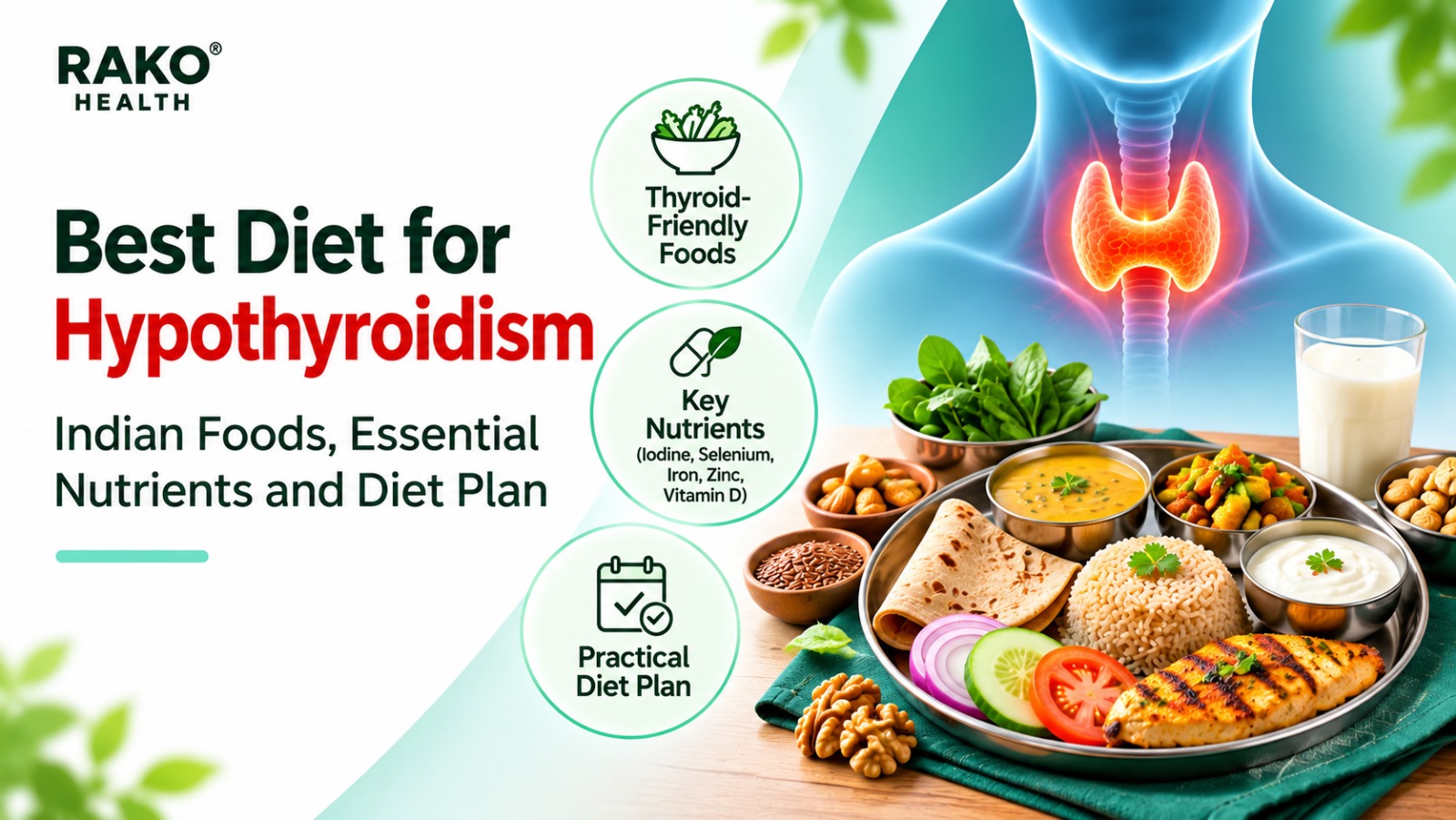
Diet for Hypothyroidism plays an important role in supporting thyroid health, managing nutritional deficiencies, and maintaining a healthy weight. If you experience tiredness, unexplained weight gain, constipation, or hair thinning, your thyroid function may need attention. Along with prescribed medication, following a balanced diet can support overall well-being. Explore RAKO Health's Thyroid Nutrition Services for personalized nutrition guidance.
What Is Hypothyroidism and How Does It Affect Your Body?
Hypothyroidism develops when the thyroid gland produces insufficient thyroid hormones, mainly T4 and T3. These hormones regulate metabolism, body temperature, energy levels, and heart function.
Common symptoms include:
- Unexpected weight gain or difficulty losing weight.
- Persistent fatigue and low energy.
- Constipation and digestive discomfort.
- Hair thinning and dry skin.
- Increased sensitivity to cold.
- Menstrual irregularities.
Additionally, Hashimoto's thyroiditis, an autoimmune condition, commonly causes hypothyroidism. Doctors usually diagnose it through TSH and free T4 blood tests. Treatment often involves levothyroxine.
Why Is Diet for Hypothyroidism Important?
A healthy Diet for Hypothyroidism provides essential nutrients that support thyroid hormone production and metabolism. These include iodine, selenium, iron, and zinc.
Furthermore, antioxidant-rich foods, omega-3 fatty acids, and balanced eating habits support general metabolic health.
A 2026 review in the Journal of Endocrinological Investigation discusses the importance of adequate micronutrients and healthy dietary patterns for thyroid health.
6 Essential Nutrients for Thyroid Health
1. Iodine: Supports Thyroid Hormone Production
Iodine helps your body produce thyroid hormones. However, excessive intake can also affect thyroid function.
Indian food sources:
- Iodized salt
- Milk and curd
- Eggs
- Fish and seafood
Adults generally need 150 micrograms daily. However, pregnancy and breastfeeding increase requirements. Avoid iodine supplements without medical advice.
2. Selenium: Supports Hormone Metabolism
Selenium helps enzymes convert thyroid hormones into their active forms. It also supports antioxidant protection.
Food sources: Fish, eggs, dairy products, nuts, and whole grains.
Nevertheless, excessive selenium intake can cause health problems. Supplements are not necessary for everyone.
3. Iron: Supports Thyroid Function
Iron helps thyroid peroxidase, an enzyme involved in thyroid hormone production.
Food sources: Spinach, lentils, chickpeas, beans, eggs, fish, and meat.
For better iron absorption, combine plant-based foods with vitamin C sources like lemon, amla, and guava.
4. Zinc: Helps Regulate Thyroid Hormones
Zinc supports hormone metabolism and normal cellular function.
Food sources: Pumpkin seeds, chickpeas, lentils, eggs, seafood, and whole grains.
5. Vitamin D and Vitamin B12
These nutrients support bone health, immunity, nerve function, and red blood cell production. Deficiencies may also coexist with autoimmune thyroid conditions.
Include eggs, fish, dairy products, and fortified foods. However, consider supplements only when medically indicated.
6. Omega-3 Fatty Acids and Antioxidants
Omega-3 fats and antioxidants support cardiovascular and metabolic health.
Include:
- Walnuts and flaxseeds.
- Chia seeds.
- Fatty fish.
- Colourful vegetables.
- Seasonal fruits.
These foods support balanced nutrition but do not cure Hashimoto's thyroiditis.
Best Indian Food Diet for Hypothyroidism
An Indian food Diet for Hypothyroidism can include familiar, affordable, home-cooked meals.
Food group | Recommended foods |
| Whole grains | Roti, brown rice, oats, millets |
| Protein | Dal, eggs, paneer, fish, chicken |
| Vegetables | Spinach, carrots, beans, broccoli |
| Fruits | Guava, papaya, oranges, apples |
| Healthy fats | Walnuts, seeds, groundnut oil |
| Dairy | Milk, curd, unsweetened yoghurt |
Importantly, you do not need to eliminate rice, wheat, cauliflower, or broccoli. Instead, focus on appropriate portions and dietary variety.
Sample Indian Diet Plan for Hypothyroidism
Here is a simple daily meal structure:
- Early morning: Prescribed thyroid medication with water.
- Breakfast: Vegetable oats, idli, or eggs with whole-grain toast.
- Mid-morning: Guava, papaya, or seasonal fruit.
- Lunch: Roti or rice, dal, cooked vegetables, and curd.
- Evening snack: Roasted chana, walnuts, or fruit.
- Dinner: Vegetable khichdi, paneer, fish, or chicken with vegetables.
Adjust portions according to your nutritional needs, activity levels, and medical conditions.
Can You Lose Weight With Hypothyroidism?
Yes. Weight management becomes more achievable when thyroid hormone levels receive appropriate treatment.
However, insulin resistance, sleep quality, medications, and eating habits can also influence body weight.
For sustainable results:
- Include adequate protein in everyday meals.
- Increase fibre through vegetables and whole grains.
- Address confirmed nutritional deficiencies.
- Maintain regular physical activity.
- Avoid extreme dieting and prolonged fasting.
Never increase thyroid medication to accelerate weight loss.
How to Take Thyroid Medication Correctly
Levothyroxine generally works best when taken consistently with water on an empty stomach.
- Take it 30–60 minutes before breakfast, following your doctor's instructions.
- Alternatively, some patients take it at bedtime, several hours after eating.
- Keep calcium and iron supplements at least four hours apart from levothyroxine.
Consistency helps maintain stable medication absorption and thyroid levels.
Thyroid Nutrition Support for Indians and NRIs
Managing hypothyroidism can become challenging when you live abroad. NRIs may have different food availability, meal schedules, work routines, and lifestyle habits.
Therefore, your Diet for Hypothyroidism should consider your location and preferences.
At RAKO Health, we create personalized nutrition plans using familiar Indian foods and practical international alternatives. Our approach considers thyroid reports, body weight, digestive health, nutritional deficiencies, and individual goals.
You can also explore our guide to the Best Dietician for Thyroid Issues and learn more about Dr. Meram Chalamaih.
Scientific References
- Ruggeri RM, et al. (2026). The role of nutrition on thyroid health and disease: myths and facts. Journal of Endocrinological Investigation. https://doi.org/10.1007/s40618-026-02852-0
- Anselmo J, et al. (2025). Editorial: Thyroid hormones and diet. Frontiers in Endocrinology. https://doi.org/10.3389/fendo.2025.1673729
Medical disclaimer: This article is for educational purposes and does not replace medical diagnosis, prescribed thyroid medication or individualized clinical advice.
Frequently Asked Questions
1. Which diet is best for hypothyroidism?
A balanced diet containing iodine, selenium, iron, zinc, protein, fruits, vegetables, and whole grains supports thyroid health.
2. Can I eat rice with hypothyroidism?
Yes. Rice is suitable in appropriate portions as part of a balanced Indian diet.
3. Is curd good for hypothyroidism?
Yes. Curd provides protein and calcium and can contribute iodine. However, maintain appropriate medication timing.
4. Should I avoid gluten?
No. Gluten avoidance is necessary for people with celiac disease. However, evidence does not support routine gluten elimination for everyone with hypothyroidism.
5. Can diet cure hypothyroidism?
No. Nutrition can correct deficiencies and support overall health. However, many patients require ongoing thyroid hormone replacement.
6. Which Indian foods should I eat daily for thyroid health?
Include dal, vegetables, fruits, whole grains, nuts, seeds, and suitable protein sources. Maintain variety and balanced portions.
7. Can NRIs follow an Indian thyroid diet plan?
Absolutely. NRIs can include Indian meals alongside locally available foods. A personalized plan can accommodate different countries, food preferences, and schedules.
Final Thoughts
For additional thyroid health information, explore the American Thyroid Association.
If you are looking for practical nutrition guidance, RAKO Health can help you explore personalised thyroid care and sustainable Indian eating habits.
Related Blogs
Online Dietician Consultation for Thyroid: Personalised Care by RAKO Health
Best Dietician for Thyroid Issues: Personalized Nutrition Support
Rice and Roti for Weight Loss: Can You Eat Both and Manage Your Weight?
Online Dietician Consultation for Thyroid: Personalised Care by RAKO Health
Best Dietician for Thyroid Issues: Personalized Nutrition Support
Rice and Roti for Weight Loss: Can You Eat Both and Manage Your Weight?
Online Dietician Consultation for Thyroid: Personalised Care by RAKO Health
Best Dietician for Thyroid Issues: Personalized Nutrition Support
Rice and Roti for Weight Loss: Can You Eat Both and Manage Your Weight?
Online Dietician Consultation for Thyroid: Personalised Care by RAKO Health
Best Dietician for Thyroid Issues: Personalized Nutrition Support