
IBS Symptoms: Common Signs, Causes and When to Seek Help


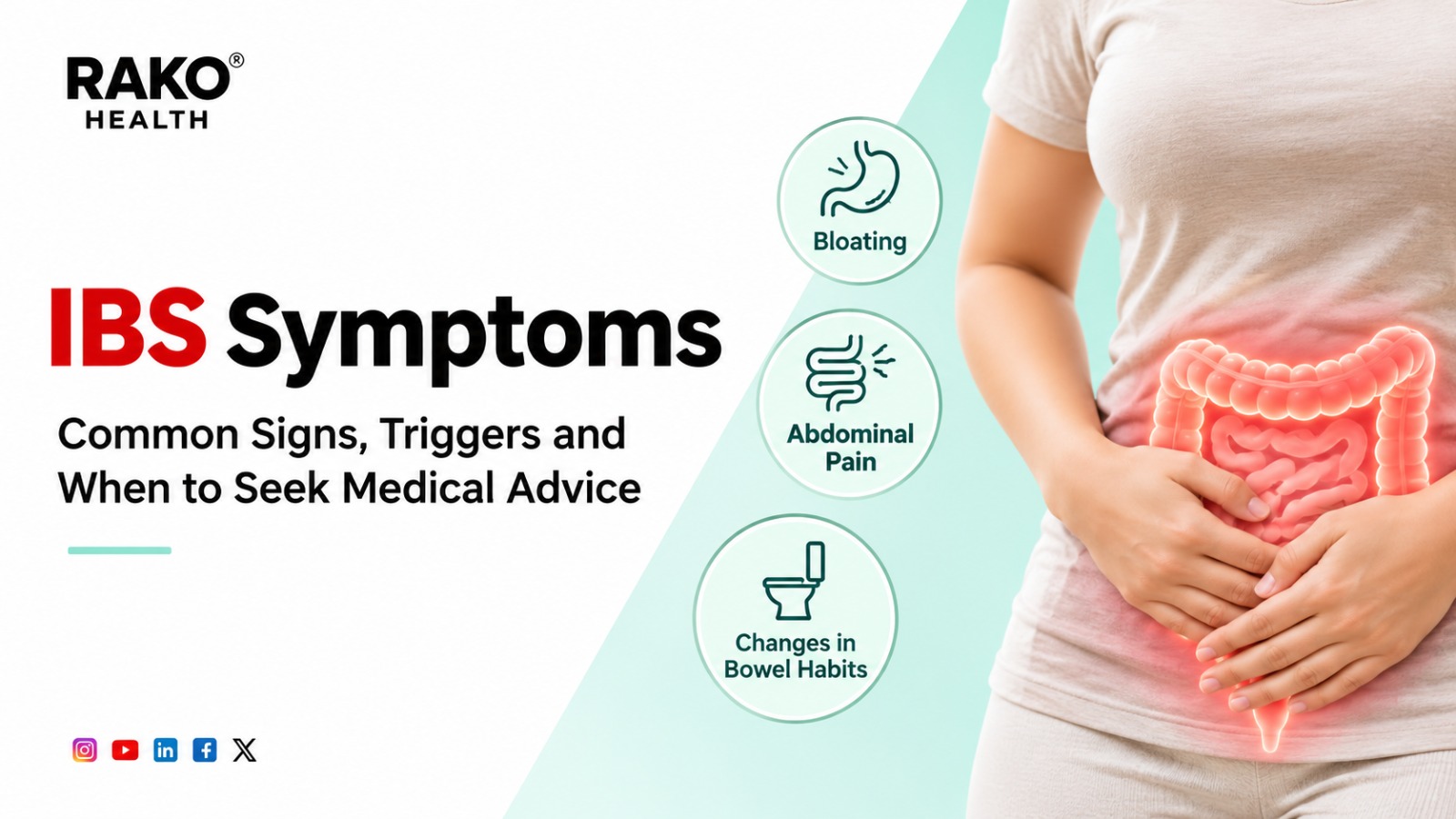
IBS Symptoms can include recurring stomach pain, bloating, excessive gas, constipation, and diarrhea. These digestive problems can affect everyday comfort, eating habits, and quality of life. At RAKO Health, our IBS Health Services help individuals explore personalised approaches to digestive wellness.
Do you frequently experience stomach discomfort after meals? These problems may indicate Irritable Bowel Syndrome (IBS), a common disorder of gut–brain interaction. Although IBS does not typically cause structural intestinal damage, symptoms can persist for months or years.
Understanding IBS Symptoms helps you recognise warning signs, seek medical advice, and explore suitable management options.
What Are the Common Symptoms of IBS?
IBS affects people differently. However, certain digestive problems commonly occur together.
1. Abdominal Pain and Cramping
Recurring abdominal pain is a defining feature of IBS. The discomfort often relates to bowel movements or changes in stool frequency and consistency.
2. Bloating and Abdominal Distension
People may experience uncomfortable fullness, abdominal swelling, or a visibly distended stomach. These symptoms often become noticeable after meals.
3. Diarrhea
Frequent loose stools, sudden urgency, and unpredictable bowel movements commonly occur in diarrhea-predominant IBS.
4. Constipation
Some individuals experience hard stools, straining, difficulty passing stools, or incomplete bowel emptying.
5. Excessive Gas
Intestinal gas and increased digestive sensitivity can contribute to abdominal discomfort. Consequently, even normal digestive activity may feel uncomfortable.
6. Alternating Constipation and Diarrhea
Some people experience both constipation and diarrhea. Their bowel patterns may change over time.
What Are the Different Types of IBS?
Healthcare professionals classify IBS into four main types based on predominant bowel movement patterns:
1. IBS-C (Constipation-predominant IBS): Characterised by hard stools, difficulty passing stools, and infrequent bowel movements.
2. IBS-D (Diarrhea-predominant IBS): Characterised by frequent loose stools, sudden bowel urgency, and increased bowel movements.
3. IBS-M (Mixed IBS): Involves alternating episodes of constipation and diarrhea.
4. IBS-U (Unclassified IBS): Symptoms do not clearly fit into the other IBS categories.
Identifying the IBS subtype helps healthcare professionals develop personalised dietary and treatment strategies to manage symptoms effectively.
What Causes IBS Symptoms?
There is no single established cause of IBS. However, several biological and environmental factors may contribute.
- Altered gut–brain communication: Changes in nervous system interactions may affect intestinal function and pain perception.
- Visceral hypersensitivity: Increased intestinal sensitivity can make normal gas or stretching feel painful.
- Gut microbiota changes: Changes in intestinal microorganisms may contribute to digestive symptoms.
- Altered intestinal motility: Faster or slower intestinal movement can cause diarrhea or constipation.
- Dietary triggers: Certain fermentable carbohydrates may increase intestinal gas and water content.
Additionally, stress, previous gastrointestinal infections, and other biological factors may influence IBS Symptoms.
What Can Trigger IBS Symptoms?
Common triggers include:
- Certain foods contain fermentable carbohydrates (FODMAPs).
- Large or irregular meals.
- High-fat meals in some individuals.
- Stress and emotional disturbances.
- Changes in sleep patterns and daily routines.
However, triggers vary between individuals. A food that causes discomfort for one person may suit another.
Maintaining a food and symptom diary can help identify patterns. This approach also prevents unnecessary restrictions of nutritious foods.
When Should You Seek Medical Attention?
IBS shares symptoms with several gastrointestinal conditions. Therefore, persistent digestive problems require appropriate medical evaluation.
Seek medical attention if you experience:
- Blood in your stool or rectal bleeding.
- Unexplained weight loss.
- Iron-deficiency anemia.
- Persistent or worsening diarrhea.
- Symptoms that wake you from sleep.
- A family history of colorectal cancer, inflammatory bowel disease, or celiac disease.
These warning signs may indicate conditions requiring further investigation. Therefore, avoid assuming that every digestive problem represents IBS.
How Can IBS Symptoms Be Managed?
Managing IBS requires an individualised approach based on symptoms, medical history, and dietary tolerance.
- Dietary modifications: Maintain regular meals, identify personal food triggers, and adjust fibre intake appropriately.
- Low-FODMAP diet: A professionally guided, short-term low-FODMAP approach may benefit selected individuals.
- Stress management: Gut-directed cognitive behavioural therapy and hypnotherapy may help some people.
- Medical treatment: Healthcare professionals may recommend medications for constipation, diarrhea, or abdominal pain.
For individuals seeking the best dietician for IBS, personalized nutritional guidance can help improve dietary choices. Those also exploring the best dietician for weight loss can benefit from sustainable nutrition planning through RAKO Health.
For NRIs: Indians living in the USA, UK, Canada, Australia, and other countries may face additional dietary challenges. Traditional Indian meals often include onion, garlic, lentils, wheat, and dairy. These ingredients may trigger symptoms in some individuals. Suitable substitutions and portion adjustments can help maintain familiar eating habits.
For expert guidance, explore Dr. Mearam Chalamaiah and RAKO Health's approach to personalised digestive wellness.
Related reading: Low-FODMAP Diet for IBS: Foods to Eat, Avoid and How It Works.
Scientific References
- Black CJ, Ford AC. An evidence-based update on the diagnosis and management of irritable bowel syndrome. Expert Review of Gastroenterology & Hepatology. 2025;19(3):227–242. https://doi.org/10.1080/17474124.2025.2455586
- Bertin L, et al. The Role of the FODMAP Diet in IBS. Nutrients. 2024;16(3):370. https://doi.org/10.3390/nu16030370
- Zhang H, Su Q. Low-FODMAP Diet for Irritable Bowel Syndrome: Insights from Microbiome. Nutrients. 2025;17(3):544. https://doi.org/10.3390/nu17030544
Medical disclaimer: This article provides general educational information. It does not replace individual medical assessment, diagnosis, or treatment.
Frequently Asked Questions
1. Is IBS a serious disease?
IBS generally does not cause structural intestinal damage or increase colorectal cancer risk. However, symptoms can significantly affect daily activities and quality of life.
2. Can IBS cause bloating every day?
Yes. Frequent bloating is common in IBS, although severity varies. Persistent bloating deserves medical assessment to exclude other conditions.
3. Can IBS cause both constipation and diarrhea?
Yes. IBS-M involves both symptoms. Bowel patterns may also change over time.
4. Can stress make IBS symptoms worse?
Yes. Stress can influence gut–brain communication, intestinal sensitivity, and bowel function. Consequently, symptoms may become more noticeable.
5. Can diet help reduce IBS symptoms?
Yes. Identifying food triggers, adjusting fibre intake, and following a professionally guided low-FODMAP diet may help.
6. Is IBS the same as inflammatory bowel disease (IBD)?
No. IBS involves altered gut–brain interaction. IBD, including Crohn's disease and ulcerative colitis, involves intestinal inflammation. Both require different management approaches.
7. Can IBS be permanently cured?
There is currently no established universal cure for IBS. However, appropriate dietary, lifestyle, psychological, and medical interventions can improve symptoms.
Final Thoughts
IBS involves more than occasional digestive discomfort. Recurring abdominal pain, bloating, constipation, and diarrhea can affect everyday activities and emotional well-being.
Recognising symptoms, identifying individual triggers, and obtaining an appropriate diagnosis are essential first steps.
Effective management does not mean avoiding every food that causes concern. Instead, it involves finding a balanced approach that supports digestive comfort and nutritional health.
Explore RAKO Health's digestive wellness resources to understand more about personalised IBS care.
Related Blogs
Online Dietician Consultation for IBS: Managing Bloating and Gas Naturally
Best Dietician for Irritable Bowel Syndrome (IBS): Personalized Nutrition at RAKO Health
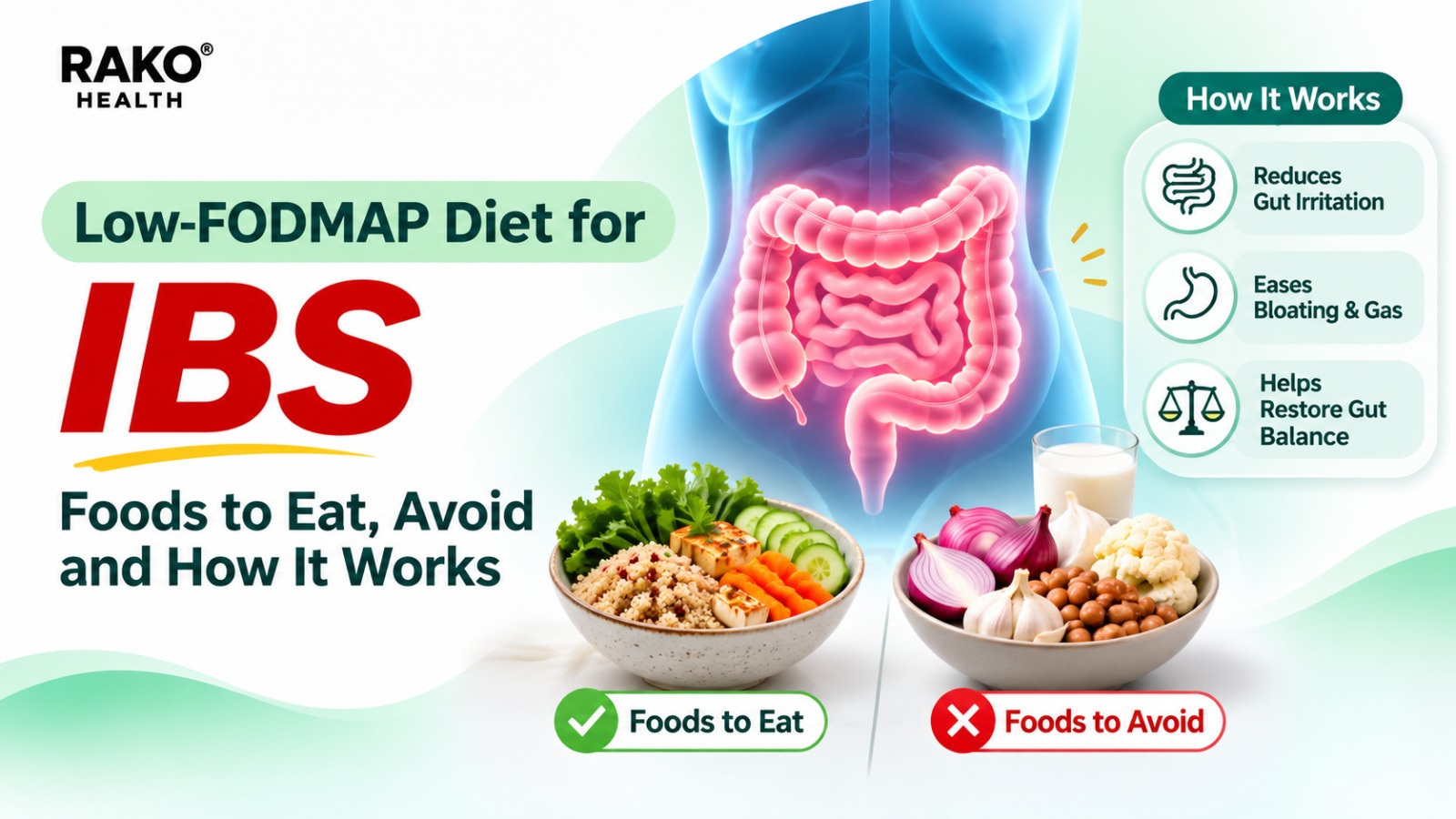
Low-FODMAP Diet for IBS: Foods to Eat, Avoid and How It Works
Online Dietician Consultation for IBS: Managing Bloating and Gas Naturally
Best Dietician for Irritable Bowel Syndrome (IBS): Personalized Nutrition at RAKO Health
Low-FODMAP Diet for IBS: Foods to Eat, Avoid and How It Works
Online Dietician Consultation for IBS: Managing Bloating and Gas Naturally
Best Dietician for Irritable Bowel Syndrome (IBS): Personalized Nutrition at RAKO Health
Low-FODMAP Diet for IBS: Foods to Eat, Avoid and How It Works
Online Dietician Consultation for IBS: Managing Bloating and Gas Naturally
Best Dietician for Irritable Bowel Syndrome (IBS): Personalized Nutrition at RAKO Health