
Gut Health and Weight Loss: Why Your Gut Bacteria Matter


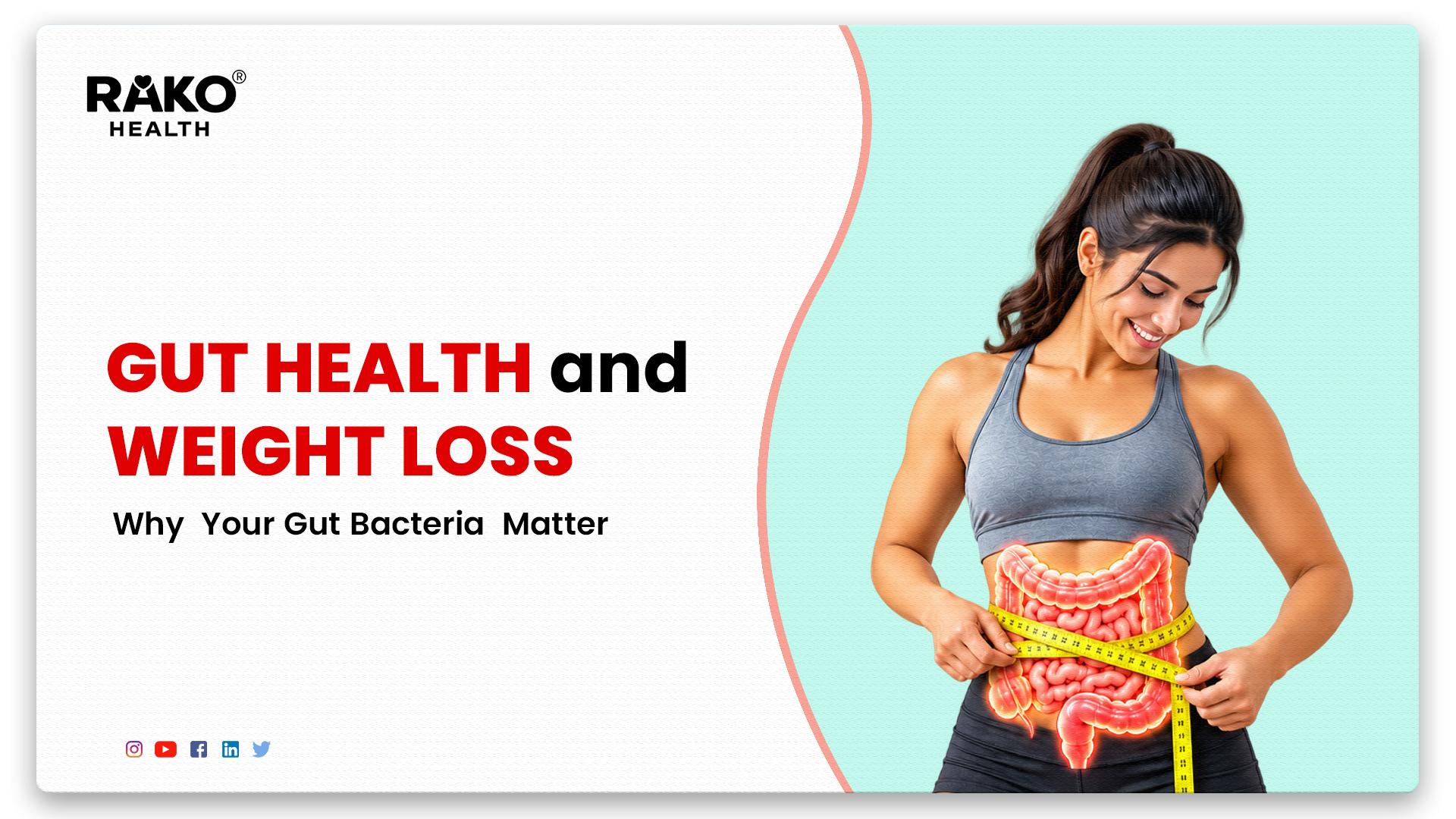
Gut Health and Weight Loss are connected through complex biological processes that researchers continue to investigate. If you struggle to lose weight despite trying different diets, your gut microbiome may be one part of the bigger picture.
Although energy balance remains fundamental to weight management, hunger, hormones, sleep, metabolic health, medications, and eating behaviour can also influence body weight.
Scientists are investigating how trillions of microorganisms living in our digestive systems interact with these processes.
What Is the Connection Between Gut Health and Weight Loss?
Your gut contains a complex community of microorganisms known as the gut microbiome. These microorganisms help process certain food components and produce substances that interact with the intestinal lining, immune system, and metabolic pathways.
Studies have identified differences in gut microbial communities between some people with obesity and those with healthier body weights. However, these findings are not consistent across every study or individual.
Having a particular type of gut bacteria does not automatically determine weight gain or weight loss. Researchers continue to investigate which microbial changes contribute to obesity and which occur as a consequence.
5 Ways Gut Health May Influence Weight Management
1. Gut Bacteria Influence Food Processing
Some dietary components reach the large intestine without complete digestion. Gut microorganisms help break them down and produce metabolites, including short-chain fatty acids.
These compounds influence intestinal function and metabolic signalling. However, they do not simply switch fat burning on or off.
Therefore, foods with similar calorie values may differ in fibre content, nutritional quality, and interactions with gut microorganisms.
2. Gut Health May Influence Hunger and Appetite
Food composition affects digestion, fullness, and appetite. Researchers are investigating how microbial metabolites interact with hunger and satiety pathways.
For example, certain gut-derived signals interact with pathways involving glucagon-like peptide-1 (GLP-1). However, eating particular foods does not reproduce the effects of prescription GLP-1 medications.
The relationship between gut bacteria, appetite, and weight remains an active research area.
3. Gut Microbiome and Insulin Resistance
Insulin helps regulate blood glucose. When body tissues respond less effectively to insulin, the condition is called insulin resistance.
This condition commonly accompanies excess body fat, particularly abdominal fat, and increases the risk of Type 2 diabetes.
Research suggests gut microbial activity may interact with glucose metabolism, inflammation, and insulin sensitivity. However, blood glucose, HbA1c, medical history, and other clinical factors remain important.
Explore the RAKO Health Gut Health Program for information about personalised nutrition and digestive well-being.
4. Inflammation, Gut Health, and Obesity
Obesity is sometimes associated with chronic low-grade inflammation. The intestinal barrier helps regulate what passes from the gut into the body.
Researchers are investigating how gut microorganisms and intestinal barrier function may influence inflammatory pathways. Nevertheless, not all inflammation originates in the gut, and improving gut bacteria alone does not necessarily reverse obesity.
5. Why Diet Quality Matters for Weight Loss
A weight-loss diet should provide adequate protein, fibre, vitamins, minerals, and other essential nutrients.
For many people, a practical eating pattern includes vegetables, fruits, dals, whole grains, curd, and suitable protein sources. These familiar Indian foods can fit into a calorie-appropriate diet without unnecessarily eliminating traditional meals.
Can You Lose Weight Without Eliminating Rice or Wheat?
Yes. Rice and wheat do not automatically cause obesity.
A sustainable weight-management plan can include rice, roti, dal, and home-cooked Indian meals in appropriate portions. However, portion sizes and meal combinations depend on nutritional needs, medical conditions, and individual goals.
Extreme restrictions may also make diets harder to maintain.
Explore the RAKO Health Personalised Weight Loss Program to learn about our nutrition-focused approach.
Are Probiotics Useful for Weight Loss?
Probiotic supplements are often marketed as solutions for belly fat and obesity. However, current evidence does not establish probiotics as a reliable standalone treatment for substantial weight loss.
Different strains may produce different effects, and research findings remain mixed. For most people, sustainable nutrition and behavioural changes remain more established weight-management approaches.
Why Personalised Nutrition Matters
Two people following the same diet may experience different results. Body composition, health conditions, appetite, medications, lifestyle, and adherence can all influence outcomes.
Gut microbial differences may contribute to dietary response variations, although microbiome-based personalised nutrition is still developing.
Under the guidance of nutrition professionals, including Dr. Meram Chalamaiah where appropriate, an individualised plan should consider the whole person rather than relying on one microbiome measurement.
How RAKO Health Approaches Weight Management
RAKO Health focuses on personalized, science-guided nutrition using practical food choices. Our approach considers weight history, existing health conditions, food tolerance, blood reports, and nutritional requirements.
The goal is to support sustainable weight management while considering broader metabolic and digestive health.
For additional local nutrition guidance, explore the Best Dietician in Hyderabad.
Scientific References
- Sanz Y, et al. (2025). The Gut Microbiome Connects Nutrition and Human Health. Nature Reviews Gastroenterology & Hepatology. Read the research.
- Afzaal M, et al. (2022). Human Gut Microbiota in Health and Disease: Unveiling the Relationship. Frontiers in Microbiology, 13, 999001. Read the research.
- Zhang P. (2022). Influence of Foods and Nutrition on the Gut Microbiome and Implications for Intestinal Health. International Journal of Molecular Sciences, 23, 9588. Read the research.
Frequently Asked Questions
Can poor gut health cause weight gain?
Gut microbial changes are associated with obesity, but weight gain has multiple causes. A direct cause-and-effect relationship is not established for every individual.
Can improving gut bacteria reduce belly fat?
There is no reliable evidence that changing gut bacteria alone specifically removes abdominal fat.
Is fasting necessary to improve gut health?
No. Fasting is not essential for everyone, and researchers continue to study how eating schedules affect the microbiome.
Can a regular Indian diet support weight loss?
Yes. Appropriate portions, nutritional balance, and individual adjustments can make familiar Indian foods part of a sustainable weight-management plan.
Related Blogs
How to Improve Gut Health Naturally with Indian Foods
Best Dietician for Irritable Bowel Syndrome (IBS): Personalized Nutrition at RAKO Health
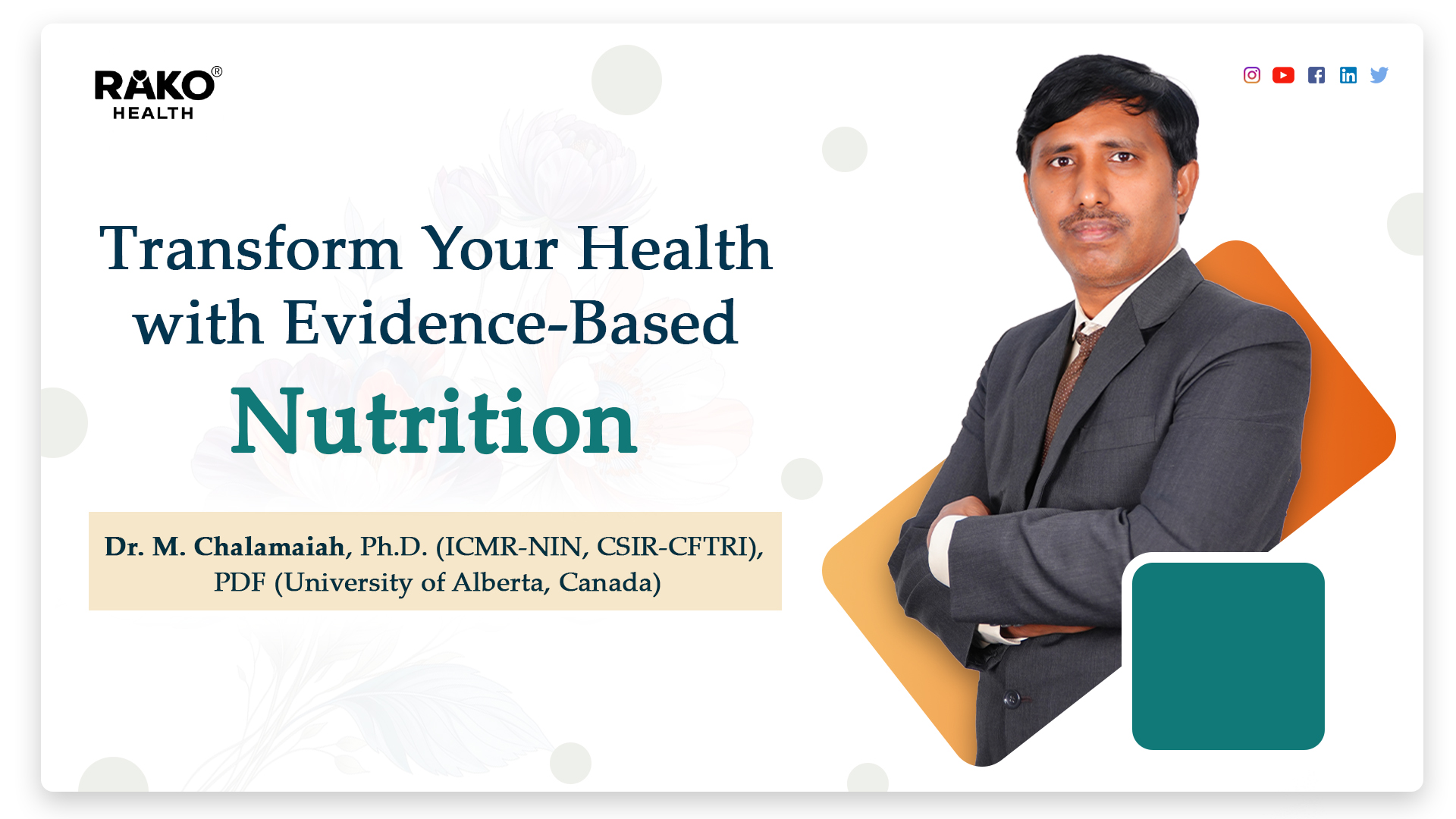
Dr. Meram Chalamaiah is the Best Dietician in Hyderabad - Transform Your Health with Evidence-Based Nutrition
How to Improve Gut Health Naturally with Indian Foods
Best Dietician for Irritable Bowel Syndrome (IBS): Personalized Nutrition at RAKO Health
Dr. Meram Chalamaiah is the Best Dietician in Hyderabad - Transform Your Health with Evidence-Based Nutrition
How to Improve Gut Health Naturally with Indian Foods
Best Dietician for Irritable Bowel Syndrome (IBS): Personalized Nutrition at RAKO Health
Dr. Meram Chalamaiah is the Best Dietician in Hyderabad - Transform Your Health with Evidence-Based Nutrition
How to Improve Gut Health Naturally with Indian Foods
Best Dietician for Irritable Bowel Syndrome (IBS): Personalized Nutrition at RAKO Health