
Healthy Meal Planning: How to Eat Well During a Busy Workday


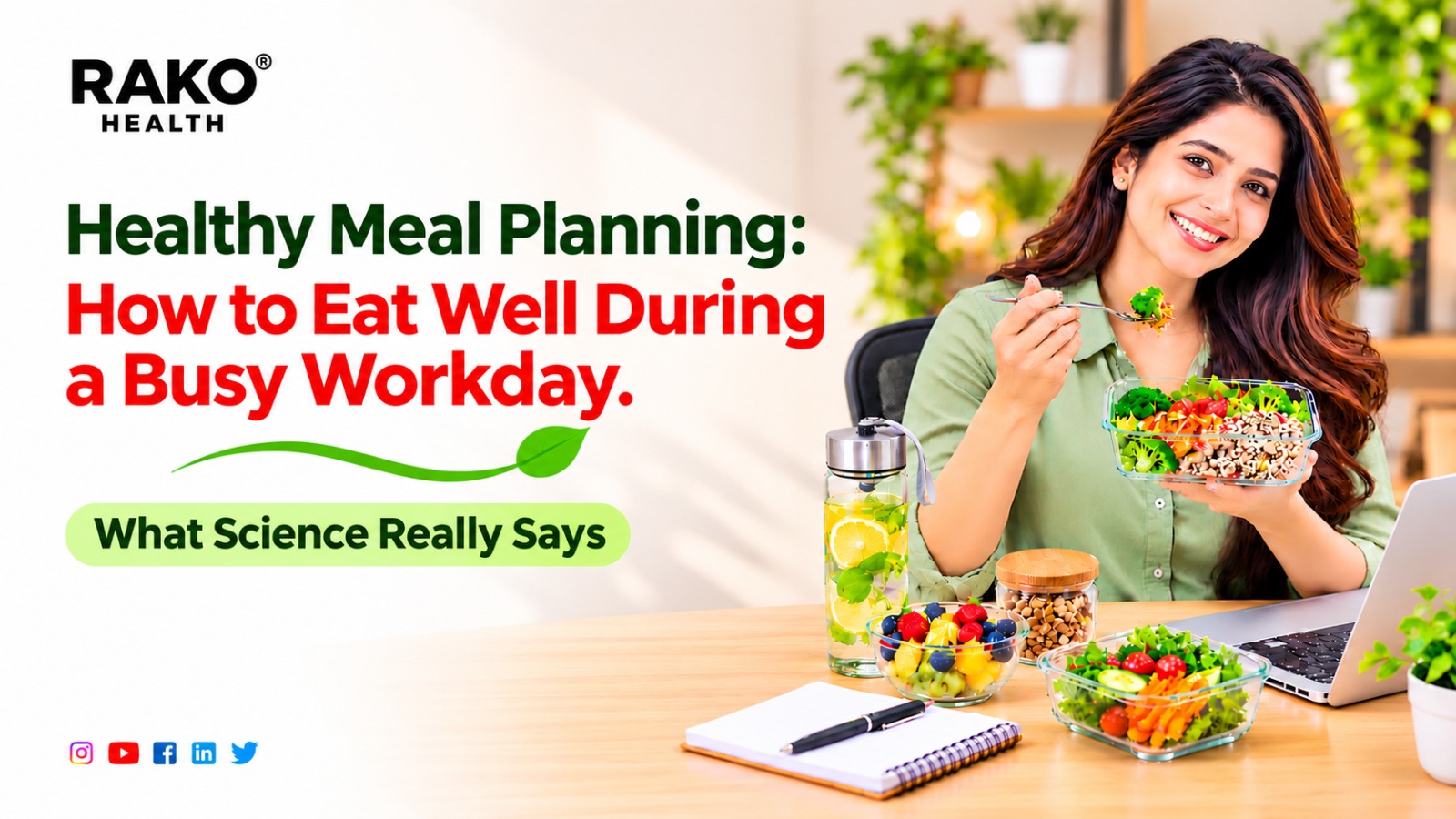
Healthy meal planning helps you enjoy nutritious food, save time, and maintain healthy eating habits during demanding workdays. Whether you work in India or live abroad, a practical meal routine makes everyday choices easier. RAKO Health encourages sustainable nutrition habits that support your individual wellness goals. Explore about Dr. Meram Chalamaiah to learn more about professional nutrition guidance and building healthier habits.
Why Healthy Meal Planning Matters for Working Professionals
Busy schedules, long commutes, and workplace deadlines often disrupt regular eating habits. However, planning meals ahead helps you make healthier choices without sacrificing valuable time.
Key benefits of healthy meal planning include:
- Balanced nutrition: Combine vegetables, fruits, whole grains, protein, and healthy fats.
- Better time management: Prepare ingredients beforehand to simplify daily cooking.
- Budget control: Plan grocery purchases and reduce unnecessary takeaway orders.
- Consistent eating habits: Keep nutritious meals available during demanding workdays.
- Less food waste: Reuse ingredients across different meals.
Consequently, a realistic routine can make healthy eating more convenient and sustainable.
How to Create a Healthy Meal Plan for Working Professionals
You can create a simple balanced meal plan by following five practical steps.
- Plan your weekly menu: Choose breakfast, lunch, dinner, and snacks for five working days.
- Include protein: Choose dal, beans, eggs, paneer, tofu, fish, or lean meat.
- Add vegetables and fruit: Select seasonal produce for variety and essential nutrients.
- Choose whole grains: Include oats, whole-wheat roti, brown rice, millets, or whole-grain bread.
- Prepare a shopping list: Purchase ingredients according to your menu, preferences, and budget.
For additional guidance, visit the USDA MyPlate website. It provides practical resources for building balanced meals.
Easy Healthy Meal Preparation for Busy People
Easy healthy meal preparation starts with small tasks completed before your workweek begins. Set aside 60–90 minutes on Sunday or another convenient day.
During this preparation session, you can:
- Wash and chop vegetables for quick cooking.
- Prepare dal, beans, or other protein-rich ingredients.
- Cook rice, quinoa, or millet for planned meals.
- Portion nuts, fruit, and convenient snacks.
- Store prepared ingredients in clean, covered containers.
Additionally, freeze portions intended for later use. Refrigerate perishable foods promptly and follow recognised food-safety guidance.
A Simple Balanced Meal Plan for Five Workdays
For weekly meal planning for beginners, start with familiar ingredients and repeat convenient recipes.
- Monday: Enjoy oats and fruit for breakfast. Have dal, rice, and vegetables for lunch. Prepare paneer stir-fry with roti for dinner.
- Tuesday: Choose eggs or tofu toast. Pack chickpea salad with whole-grain bread. Finish with vegetable khichdi and yoghurt.
- Wednesday: Eat idli with sambar. Enjoy rajma, rice, and salad for lunch. Prepare grilled fish or tofu with vegetables.
- Thursday: Start with yoghurt, nuts, and fruit. Pack vegetable pulao with dal. Enjoy roti, mixed vegetables, and paneer.
- Friday: Choose vegetable poha. Carry a whole-wheat bean wrap. Prepare chicken or chickpea curry with rice for dinner.
Adjust portions according to your appetite, activity level, food preferences, and health requirements.
Healthy Indian Lunch Ideas for the Office
Indian meals offer convenient options for nutritious meals for busy people. With thoughtful preparation, you can enjoy familiar flavours without spending your lunch break searching for food.
Try these healthy office lunch ideas:
- Dal and vegetable roti rolls: Combine cooked vegetables with a protein-rich filling.
- Rajma rice bowls: Add kidney beans, rice, cucumber, and fresh salad.
- Vegetable millet pulao: Include carrots, peas, beans, and yoghurt.
- Chickpea chaat: Pack chickpeas, tomatoes, cucumber, lemon, and spices separately.
- Idli with sambar: Carry your meal in a suitable insulated container.
- Paneer or tofu wraps: Add vegetables and a yoghurt-based dressing.
Furthermore, pack chutneys separately to prevent soggy lunches. Use an insulated lunch bag with ice packs when necessary.
Healthy Meal Planning Tips for NRIs in the US
Non-Resident Indians often balance demanding jobs, family commitments, and different food environments. Fortunately, Indian cooking traditions work well with ingredients available in American supermarkets.
For example, combine familiar Indian staples with oats, frozen vegetables, canned beans, whole-grain bread, and seasonal fruit.
NRIs can simplify their routines with these strategies:
- Buy frozen vegetables when fresh produce is expensive or inconvenient.
- Prepare dal, curries, and grains in batches.
- Freeze individual portions for future workdays.
- Adapt recipes to available ingredients while maintaining nutritional variety.
- Check food labels for sodium, added sugars, and saturated fat.
Meanwhile, families can prepare shared meals with flexible portions and protein choices. This approach accommodates different preferences without requiring separate dishes.
How RAKO Health Supports Your Wellness Journey
Healthy meal planning becomes easier when your routine reflects your lifestyle, food preferences, and wellness goals. RAKO Health promotes practical approaches to healthier living for busy professionals and families.
Start with manageable changes rather than restrictive food rules. Review your weekly habits, identify time-saving recipes, and adjust your menu when needed. For personalized nutrition advice, consult a qualified healthcare professional or registered dietitian.
Frequently Asked Questions
1. How do I start healthy meal planning with a busy schedule?
Start by planning five working days of meals. Choose simple recipes, prepare ingredients ahead, and reuse ingredients across different dishes.
2. What are the best healthy office lunch ideas?
Dal with roti, rajma rice, chickpea salads, vegetable pulao, and paneer wraps are convenient options. Include vegetables, protein, and whole grains for variety.
3. How can NRIs prepare healthy Indian meals in the US?
Combine Indian staples with readily available American groceries. Frozen vegetables, beans, whole grains, and convenient protein sources can simplify cooking.
4. How far ahead should I prepare meals?
Plan meals for the week, but store them safely. Refrigerate perishable foods promptly and freeze portions intended for later consumption.
5. Can healthy meal planning help reduce food expenses?
Yes. A planned grocery list helps reduce unnecessary purchases and food waste. Seasonal produce and planned leftovers can also lower costs.
6. What is the easiest meal plan for beginners?
Start with three breakfast options, two lunch choices, and three simple dinners. Rotate ingredients throughout the week and gradually introduce new recipes.
Final Thoughts
Looking for more guidance on sustainable weight management and everyday nutrition? Explore RAKO Health resources and learn more about Dr. Meram Chalamaiah and professional dietary support for your wellness journey.
Related Blogs

Personalized Nutrition Consultation: What to Expect at Your First Appointment
Diets for Fatty Liver Disease: Which Eating Pattern Works Best?

How to Treat High Blood Pressure Naturally: A Practical Guide to Diet and Lifestyle
Personalized Nutrition Consultation: What to Expect at Your First Appointment
Diets for Fatty Liver Disease: Which Eating Pattern Works Best?
How to Treat High Blood Pressure Naturally: A Practical Guide to Diet and Lifestyle
Personalized Nutrition Consultation: What to Expect at Your First Appointment
Diets for Fatty Liver Disease: Which Eating Pattern Works Best?
How to Treat High Blood Pressure Naturally: A Practical Guide to Diet and Lifestyle
Personalized Nutrition Consultation: What to Expect at Your First Appointment
Diets for Fatty Liver Disease: Which Eating Pattern Works Best?