
Gut Health and Heart Disease: The Hidden Connection You Should Know


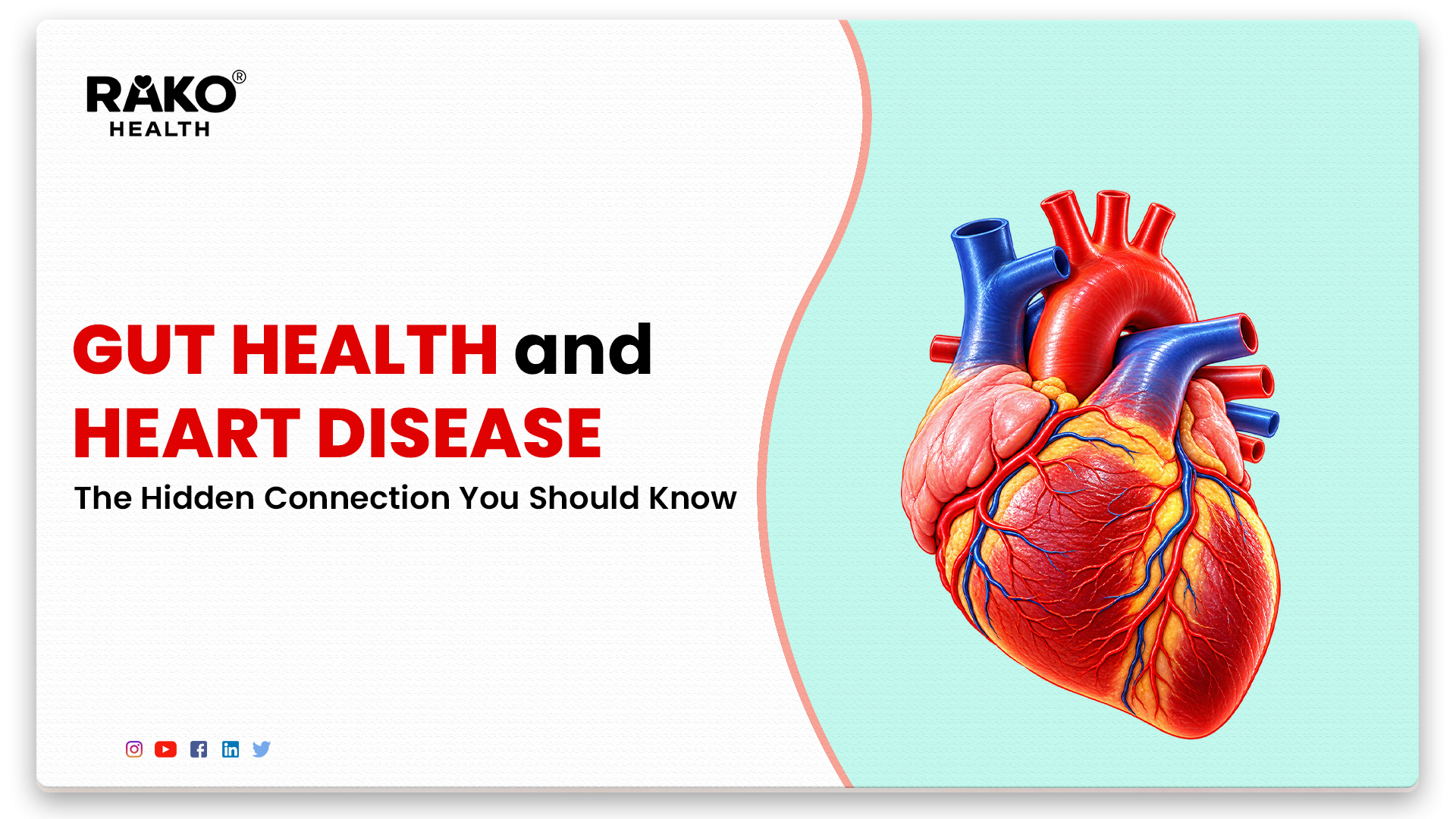
Gut Health and Heart Disease may be connected through complex biological processes involving inflammation, metabolism, and substances produced by intestinal microorganisms.
Most people associate heart disease with high cholesterol, blood pressure, obesity, diabetes, and lifestyle habits. However, scientists are also investigating how the gut microbiome may influence cardiovascular health.
This relationship is commonly called the gut-heart axis. Understanding it helps explain why healthy eating matters beyond digestion.
What Is the Gut-Heart Axis?
Your intestine contains trillions of microorganisms collectively known as the gut microbiome. These microorganisms interact with food and produce metabolic substances that can enter the bloodstream.
The gut-heart axis describes biological communication between intestinal microorganisms and the cardiovascular system.
A 2025 scientific review in Comprehensive Physiology examined how gut microorganisms and their metabolites may influence blood vessels, inflammation, blood pressure, and cardiovascular disease. However, researchers are still investigating many of these mechanisms.
4 Ways Gut Health May Influence Heart Disease
1. How Gut Bacteria May Influence Blood Pressure
High blood pressure, or hypertension, increases the risk of heart disease and stroke.
Scientists have observed differences in gut microbial composition between some people with hypertension and those with normal blood pressure.
One possible connection involves short-chain fatty acids, which certain gut bacteria produce by fermenting dietary fibre. These substances can interact with receptors involved in blood vessel function and blood pressure regulation.
However, changing gut bacteria is not an established replacement for blood pressure treatment. Healthy eating, appropriate sodium intake, weight management, and prescribed medications remain important.
2. Gut Bacteria, Cholesterol, and Heart Health
Cholesterol supports normal body functions, but elevated levels of certain blood lipids increase cardiovascular risk.
Gut microorganisms participate in bile acid metabolism. Bile acids help digest dietary fats and also act as signalling molecules that influence metabolic pathways.
Researchers are investigating how microbial changes in bile acid metabolism affect cholesterol regulation. However, genetics, dietary composition, body weight, and metabolic conditions also influence cholesterol levels.
Improving gut health alone should not be expected to normalise cholesterol.
3. What Is TMAO and Why Does It Matter?
Trimethylamine N-oxide (TMAO) is a compound investigated in cardiovascular research.
Certain intestinal microorganisms convert dietary substances, including choline and carnitine, into trimethylamine. The liver then converts trimethylamine into TMAO.
Some studies associate higher circulating TMAO levels with cardiovascular risk. However, diet, kidney function, microbial activity, and other factors influence these levels.
These findings do not justify eliminating all foods containing choline or protein. TMAO testing is not a routine requirement for cardiovascular risk assessment.
4. Gut Health and Inflammation
Inflammation contributes to several cardiovascular conditions, including atherosclerosis, which involves fatty deposits accumulating within artery walls.
The intestinal lining acts as a protective barrier. Researchers are investigating whether disturbances in this barrier allow microbial components, such as lipopolysaccharide (LPS), to contribute to systemic inflammation.
Nevertheless, heart disease has multiple causes. Gut inflammation represents only one potential contributor.
For personalised dietary guidance, explore the RAKO Health Gut Health Program.
Can Indian Foods Support Gut and Heart Health?
Many foods recommended for cardiovascular health also provide nutrients that support digestive health.
- Vegetables and fruits: Supply fibre, vitamins, minerals, and plant compounds. Choose varied seasonal produce rather than relying on one superfood.
- Dal, beans, and legumes: Moong dal, masoor dal, rajma, and chickpeas provide plant protein and fibre.
- Whole grains: Oats, whole wheat, and suitable millets provide fibre. Oat beta-glucan has evidence supporting modest LDL cholesterol reductions when consumed in adequate amounts.
- Nuts and seeds: Almonds, walnuts, and seeds provide unsaturated fats and other nutrients.
- Curd and fermented foods: Curd containing live cultures may contribute to dietary microbial exposure. However, fermented foods are not proven treatments for hypertension or cardiovascular disease.
Can Improving Gut Health Prevent Heart Disease?
Nutritious foods can support gut health and contribute to an overall healthy lifestyle. However, current evidence does not establish that improving the microbiome alone prevents heart attacks, stroke, or heart failure.
Established prevention measures remain essential:
- Control blood pressure and cholesterol.
- Manage diabetes with appropriate medical care.
- Avoid tobacco.
- Maintain healthy lifestyle habits.
- Follow an appropriate, balanced eating pattern.
Microbiome-targeted therapies may offer future opportunities, but more high-quality human clinical trials are needed.
Why Personalised Nutrition Matters
People differ in metabolic health, food tolerance, medications, and nutritional requirements. Someone with hypertension may need particular attention to sodium intake, while a person with diabetes may need individualised carbohydrate planning.
People with kidney disease may require specific adjustments to protein, potassium, or other nutrients.
With guidance from qualified nutrition professionals, including Dr. Meram Chalamaiah where appropriate, dietary recommendations should reflect individual needs rather than a generic diet chart.
Explore the RAKO Health Personalised Weight Loss Program for related nutrition support.
For local nutrition guidance, read the Best Dietician in Hyderabad.
How RAKO Health Supports Metabolic Health
RAKO Health focuses on personalized nutrition that considers digestive health, metabolic requirements, and overall well-being.
Our approach emphasises familiar home-cooked foods, nutritional balance, digestive comfort, medical history, blood reports, existing conditions, and individual dietary habits.
Your heart and gut interact through complex biological pathways. Supporting both begins with consistent, evidence-based food choices.
Scientific Reference
Kondapalli N, et al. (2025). Microbiota in Gut-Heart Axis: Metabolites and Mechanisms in Cardiovascular Disease. Comprehensive Physiology, 15, e70024. Find the publication on PubMed.
Frequently Asked Questions
Can gut bacteria cause high blood pressure?
Gut microorganisms may influence blood pressure regulation, but hypertension has multiple causes. Gut bacteria are not established as the sole cause.
Can probiotics lower cholesterol?
Some probiotic strains have shown modest effects in certain studies, but results vary. They cannot replace proven cholesterol-lowering treatments.
Are fibre-rich foods good for heart health?
Yes. Fibre-rich dietary patterns support digestive health and can contribute to cardiovascular risk reduction.
Can I stop taking blood pressure medicines after improving my diet?
No. Never stop prescribed medication without medical supervision. Dietary improvements may help blood pressure, but treatment changes require clinical assessment.
Related Blogs
Dr. Meram Chalamaiah Is the Best Dietician for Weight Loss
Best Dietician for Gut Health: Personalized Nutrition for Better Digestion
Dr. Meram Chalamaiah is the Best Dietician in Hyderabad - Transform Your Health with Evidence-Based Nutrition
Dr. Meram Chalamaiah Is the Best Dietician for Weight Loss
Best Dietician for Gut Health: Personalized Nutrition for Better Digestion
Dr. Meram Chalamaiah is the Best Dietician in Hyderabad - Transform Your Health with Evidence-Based Nutrition
Dr. Meram Chalamaiah Is the Best Dietician for Weight Loss
Best Dietician for Gut Health: Personalized Nutrition for Better Digestion
Dr. Meram Chalamaiah is the Best Dietician in Hyderabad - Transform Your Health with Evidence-Based Nutrition
Dr. Meram Chalamaiah Is the Best Dietician for Weight Loss
Best Dietician for Gut Health: Personalized Nutrition for Better Digestion